Can a Portable Power Station Jump Start a Car?
Understanding automotive electrical requirements helps determine if your energy storage unit can safely crank a dead battery. Verify your specifications before attempting any roadside rescue.

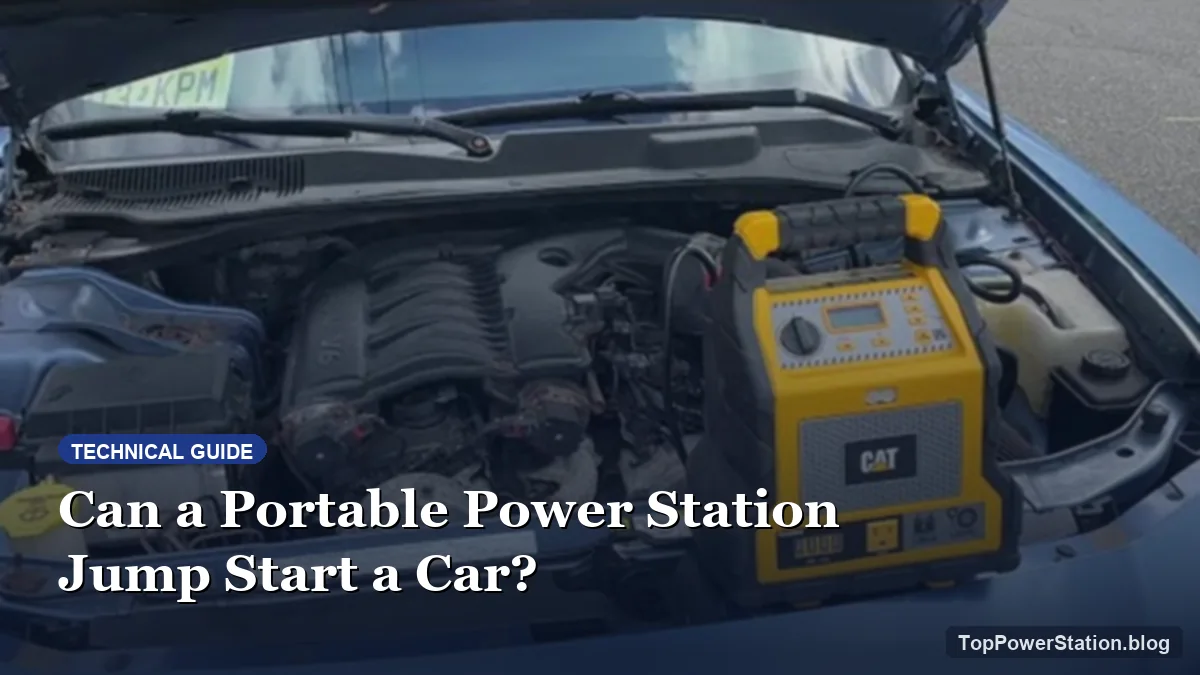
Most large units with standard 12V DC ports cannot jump-start a vehicle directly without an inverter or specialized DC-to-DC clamps. Always check manual ratings for peak cranking amperage limits.
Looking for matching picks? See our The Best Portable Power Station.
Practical Quick-Reference Table
| Scenario / Metric | Recommended Target | Why It Matters |
|---|---|---|
| Cranking Amperage | 300A to 600A peak | Ensures sufficient current delivery for starter motors. |
| Battery Chemistry | LiFePO4 or Lithium-Ion | Provides high discharge rates without excessive thermal stress. |
| Output Port Type | Dedicated 12V Jump Port | Prevents severe internal circuit damage from back-feeding. |
| Cable Gauge | 8 AWG or thicker | Reduces voltage drop during high-current cranking pulses. |
| Ambient Temperature | Freezing to moderate | Extremes alter internal resistance and discharge efficiency. |
| Unit Capacity | 500Wh minimum | Guarantees enough reserve energy for multiple crank attempts. |
Anatomical Breakdown of Automotive Electrical Systems
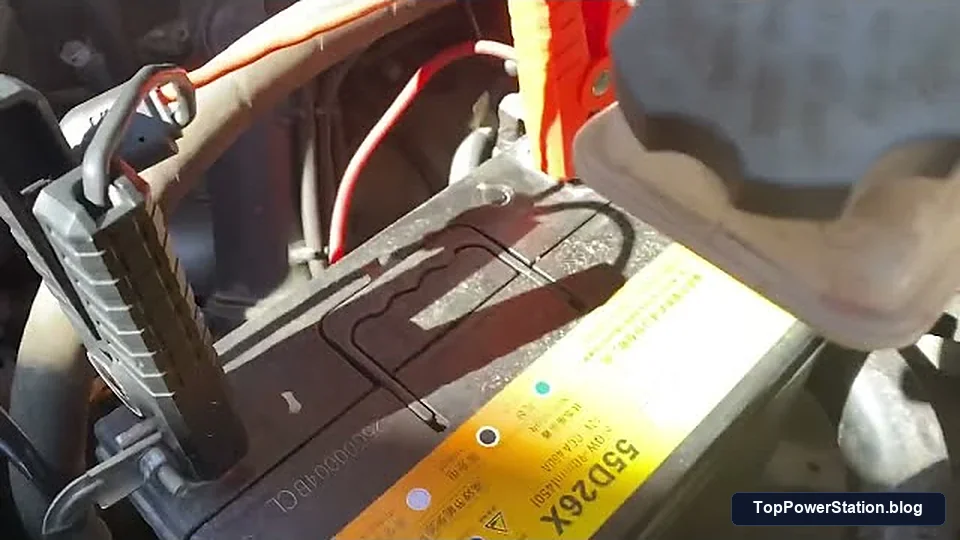
Modern automobiles rely on complex 12-volt direct current networks to power ignition coils, fuel pumps, and starter motors. Vehicle starter motors draw immense electrical current during the initial engine cranking phase.
Traditional lead-acid starter batteries deliver hundreds of amperes in fractions of a second. Portable generators store energy differently, meaning internal architecture dictates whether high surge demands can be safely met.
Standard household alternating current outlets on generators cannot connect directly to vehicle battery terminals. Attempting makeshift wiring setups invites catastrophic component failures and permanent system damage.
Understanding these foundational architectural differences keeps your equipment safe while troubleshooting roadside electrical failures. Electrical resistance dictates how much energy transfers from the power bank to the starter.
- Vehicle starters demand up to six hundred amperes of surge current.
- Lead-acid chemistry naturally excels at rapid, high-amperage current discharges.
- Portable power banks prioritize stable continuous outputs over massive instantaneous spikes.
- Direct connection to standard AC outlets creates severe electrical hazard risks.
Assessing Starter Motor Surge Demands
Engine displacement directly correlates with the amount of electrical current required to turn the crankshaft. Small four-cylinder engines require significantly less starting amperage than heavy-duty truck V8 powerplants.
Cold weather dramatically increases oil viscosity, forcing the starter motor to work harder. This environmental factor raises the required peak amperage well above normal baseline operational levels.
- Four-cylinder engines generally require two hundred amperes for ignition.
- Large V8 engines demand upwards of five hundred amperes to crank.
Evaluating Output Capacities Versus Cranking Requirements
Portable energy stations feature diverse output ratings categorized by continuous wattage and surge limits. Surge capacity ratings indicate the maximum electrical load the internal inverter can handle momentarily.
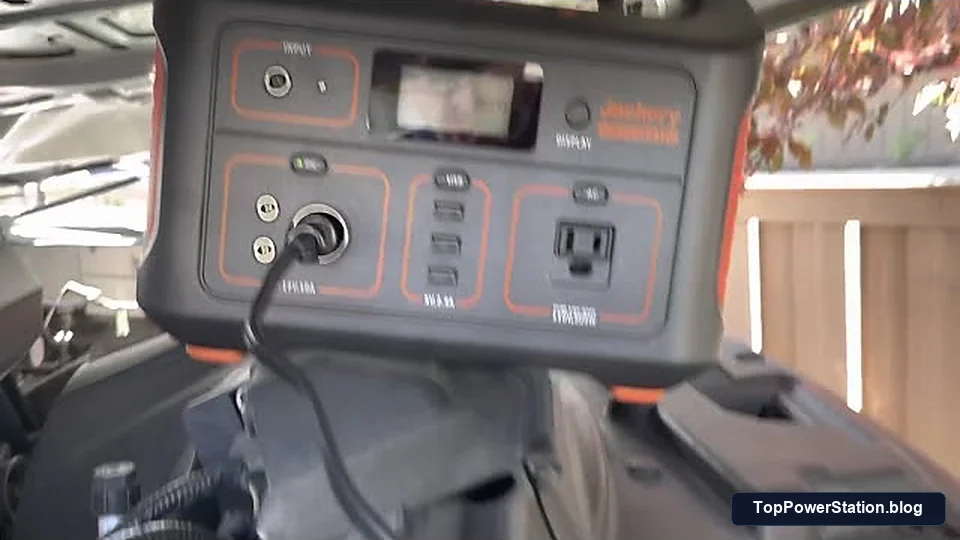
Most standard power units limit their 12-volt cigarette lighter style auxiliary ports to ten amperes. Attempting to pull hundreds of amperes through these ports instantly trips internal overload protection fuses.
Dedicated jump-starting units utilize heavy-duty copper cables connected directly to specialized internal circuitry. Standard generators lack this specialized bypass architecture required for high-drain automotive applications.
Always review the technical manual specifications before attempting to interface power banks with automotive batteries. Exceeding manufacturer limits ruins internal components and voids standard hardware warranties.
- Standard 12V auxiliary ports max out at ten amperes of output.
- Inverter surge limits protect sensitive internal electronic microprocessors safely.
- Direct battery linking requires dedicated high-current output terminals.
- Manual specifications outline strict operational boundaries for heavy loads.
Interpreting Watt-Hour and Amp-Hour Metrics
Energy capacity is measured in watt-hours, representing total stored electrical volume available for use. High watt-hour ratings do not automatically translate into high instantaneous discharge amperage capabilities.
Discharge rates depend heavily on the internal battery management system programming and cell construction. Match your unit's capability profile against the specific demands of your vehicle.
- Watt-hours dictate total runtime duration under specific electrical loads.
- Discharge rates govern whether instantaneous surges can be safely delivered.
Video Walkthrough: Can a Jackery Explorer 500 Charge a Car Battery? I Tested It
Utilizing Specialized DC Interfacing and Heavy Clamps
Certain advanced power stations feature integrated 12V jump-start ports designed specifically for automotive recovery. Heavy-duty clamp sets attach securely to these dedicated ports to facilitate safe energy transfer.
These specialized cables often incorporate smart control boxes with built-in reverse polarity protection. Such safety features prevent electrical sparks and protect sensitive onboard vehicle computer systems.
Never improvise custom jumper cables using standard inverter AC outlets and household battery chargers. Controlled current delivery prevents sudden voltage spikes from frying sensitive dashboard electronics and sensors.
Connect the positive clamp to the terminal first, followed by the negative ground connection. Proper sequencing minimizes dangerous arcing risks near the vehicle battery housing area.
- Dedicated jump ports bypass standard inverter limitations safely.
- Smart clamp controllers prevent accidental reverse polarity electrical connections.
- Proper cable sequencing eliminates hazardous sparking during setup.
- Never use improvised wiring setups for automotive power recovery.
Proper Cable Connection Sequencing Protocols
Begin by attaching the red positive clamp to the discharged vehicle battery terminal securely. Solid metal contact ensures minimal electrical resistance during the high-current transfer phase.
Attach the black negative clamp to an unpainted engine block grounding point safely. This step keeps potential sparks away from outgassing hydrogen batteries.
- Red clamp connects directly to the positive battery post.
- Black clamp attaches to unpainted chassis grounding points.
Navigating Inverter Limitations and Slow Charging Methods
If your unit lacks a dedicated jump port, alternative methods require careful technical execution. Plugging a smart battery charger into the AC outlet provides a safe, controlled recharge cycle.
This method takes significantly longer than a traditional direct jump-start operation. Expect to wait twenty to forty minutes for the dead battery to accumulate enough surface charge.
Always verify that your power station's continuous AC output exceeds the charger's draw. Overloading the inverter causes the generator to shut down immediately via protective circuitry.
Monitor the power station display screen closely to track remaining capacity percentage drops. Patience ensures safe energy transfer without risking permanent damage to your equipment.
- AC battery chargers offer a safer alternative to direct jumps.
- Slow charging methods require twenty to forty minutes of waiting.
- Inverter continuous output must exceed the charger electrical draw.
- Monitor display screens to prevent total capacity depletion.
Executing Controlled AC Battery Recharging
Connect your charging cables securely while reviewing our portable power station vs car battery jump starter comparison to verify proper device capabilities before starting.
Attach the charger output clamps to the respective vehicle battery terminals securely. Allow the system to transfer energy gradually until the vehicle has sufficient cranking power.
- Turn on the inverter before connecting charger clamps.
- Monitor energy transfer rates via the digital display panel.
Recognizing Common Mistake Scenarios and Reverse Polarity
Attempting shortcuts during roadside recovery often leads to expensive equipment and vehicle damage. Reversed polarity connections send destructive electricity through sensitive automotive computer control modules instantly.
Never allow metal clamp handles to touch while exploring our best portable power station guide for units featuring robust short-circuit protection and internal fuse safeguards.
Avoid using units with low state-of-charge percentages for high-demand automotive tasks. Depleted lithium batteries struggle to maintain stable voltage under heavy mechanical cranking loads.
Always double-check all terminal connections before initiating any power transfer sequence. Taking an extra minute to verify setup prevents disastrous roadside mechanical failures.
- Reverse polarity connections destroy sensitive vehicle computer modules.
- Accidental clamp contact creates dangerous short-circuit hazards.
- Low-charge units cannot sustain required automotive cranking voltages.
- Double-check all connections before initiating power transfer routines.
Mitigating Short-Circuit and Spark Hazards
Lead-acid batteries release flammable hydrogen gas during charging and discharging cycles. Open sparks near the battery terminals can trigger dangerous explosions or severe chemical fires.
Always ensure adequate ventilation around the engine compartment before initiating energy transfers. Safety gear like protective eyewear shields against unexpected acid splashes.
- Lead-acid batteries emit flammable hydrogen gas during use.
- Ventilate engine bays to dissipate dangerous gas accumulations.
Thermal Management and Lithium Chemistry Safety Standards
Internal battery temperature dictates overall safety and performance. Consult our best portable power station for home backup guide to find thermally managed units handling extreme conditions reliably.
Conversely, operating units in high ambient temperatures triggers internal thermal protection shutdown mechanisms. Built-in cooling fans dissipate heat generated during high-draw electrical operations effectively.
Lithium iron phosphate chemistries offer superior thermal stability compared to traditional lithium-ion variants. This chemical resilience makes them much safer for demanding high-output auxiliary tasks.
Store your equipment within manufacturer-recommended temperature ranges to preserve long-term battery health. Proper maintenance guarantees reliable performance when emergency roadside situations arise unexpectedly.
- Extreme cold increases internal resistance and reduces discharge capacity.
- Thermal protection systems prevent dangerous battery overheating events.
- LiFePO4 chemistry provides superior thermal stability for high loads.
- Proper storage temperatures preserve long-term device operational health.
Managing Extreme Weather Operating Parameters
Freezing temperatures paralyze standard lithium battery chemical reactions temporarily. Warming the unit inside a vehicle cabin before use restores normal output functionality.
Protect equipment from direct sunlight during hot summer roadside recovery operations. Excessive heat degrades battery lifespan and compromises internal circuit board integrity.
- Warm cold units inside vehicle cabins before operation.
- Shield power stations from direct summer sunlight exposure.
Field Protocols for Emergency Automotive Power Recovery
Establishing a standardized operational protocol ensures safety during stressful roadside emergencies. Park your vehicle securely, engage the emergency brake, and turn off all electrical accessories.
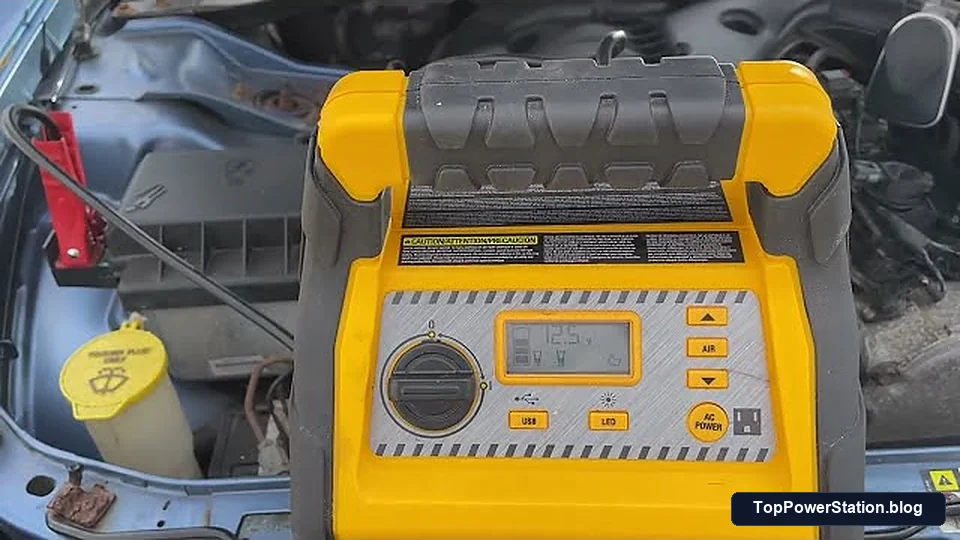
Inspect all cables and connectors for visible fraying or physical damage before deployment. Damaged insulation creates severe electrical shock and short-circuit hazards in damp environments.
Keep communication crystal clear between all operators while using our power station runtime calculator to estimate exact energy limits before initiating heavy vehicle electrical loads.
Once the engine starts successfully, disconnect the equipment following strict reverse sequencing. Safely stow all components in their designated storage locations before driving away.
- Engage emergency brakes and turn off vehicle accessories first.
- Inspect all cables thoroughly for fraying or damage.
- Coordinate cranking attempts clearly with cabin operators.
- Disconnect equipment using strict reverse sequencing protocols.
Post-Recovery Inspection and Equipment Storage
Allow all cables and units to cool down completely following high-draw operations. Inspect connection points for signs of heat discoloration or melting plastic residue.
Recharge your power station to maximum capacity before storing it away. This ensures readiness for subsequent unexpected power interruption or roadside emergencies.
- Allow equipment to cool down completely after use.
- Recharge the power station immediately to full capacity.
Frequently Asked Questions
Can any portable power station jump-start a car directly?
No, standard units require a dedicated 12V jump port and heavy cables. Without specialized circuitry, connecting directly to AC outlets causes severe damage.
Will using an AC charger plugged into the power station work?
Yes, plugging a smart battery charger into the AC outlet provides a safe recovery method. This slow charging process takes twenty to forty minutes.
What size power station is needed to crank a standard engine?
You need a unit with adequate surge amperage capabilities and capacity. Units rated above 500Wh with dedicated ports handle starting loads best.
Is it dangerous to connect jumper cables incorrectly?
Yes, reverse polarity connections send destructive electrical surges through vehicle computers. Always verify terminal markings before initiating any power transfer.
How does cold weather affect portable power station jump-starting?
Freezing temperatures increase internal battery resistance and lower discharge efficiency. Warming the unit indoors beforehand restores normal output capabilities.