Can You Charge Portable Power Station with Wind Turbine?
Harnessing wind energy for portable power stations requires careful electrical matching. Proper turbine selection prevents damaging sensitive internal inverter circuits.

Yes, you can charge a portable power station using a wind turbine if voltage and amperage match the station's DC input port limits.
Ready to compare models? Start with our Best Portable Power Station: Top Backup & Off-Grid Picks.
Practical Quick-Reference Table
| Scenario / Metric | Recommended Target | Why It Matters |
|---|---|---|
| Turbine Open Circuit Voltage | Under power station max limit | Prevents severe overvoltage damage to input circuits. |
| Nominal Output Voltage | 12V, 24V, or 48V matched | Ensures efficient conversion without thermal throttling. |
| Charge Controller Type | MPPT or specialized PWM | Regulates volatile gusts into stable DC charging current. |
| Braking System | Manual or automatic dump load | Protects bearings and blades during severe storm events. |
| Mast Height | Minimum 15 to 30 feet | Avoids turbulent ground-level airflow for steady rotation. |
| Wire Gauge | 10 AWG to 8 AWG copper | Minimizes voltage drop over long outdoor cable runs. |
Evaluating Wind Turbine Compatibility With Power Stations
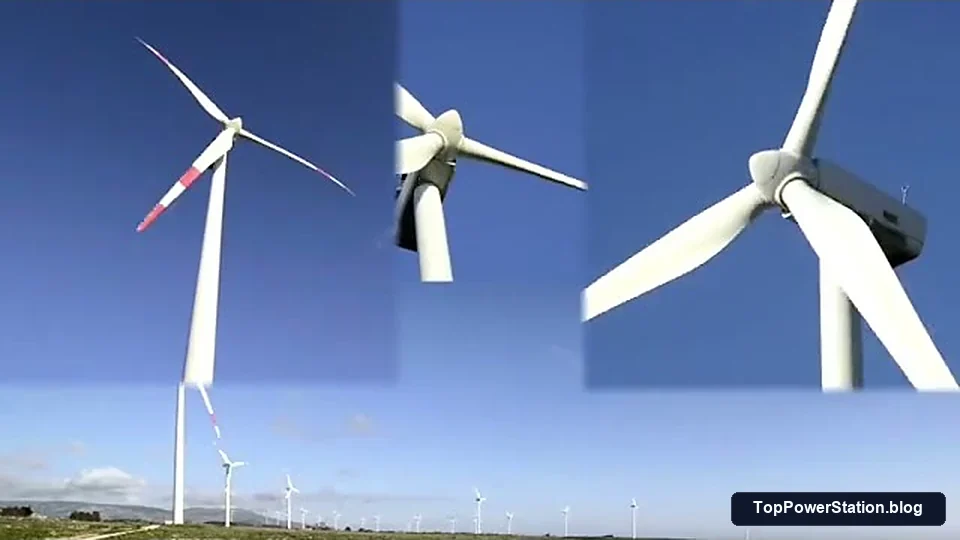
Generating clean electricity from kinetic wind energy offers an off-grid charging alternative. However, connecting a turbine directly to a generator requires understanding electrical output characteristics.
Unlike steady input from the best portable power station with solar panels, wind generators produce wildly fluctuating voltage spikes. These sudden surges can easily fry internal charge controllers if not properly filtered.
Most consumer power stations expect regulated direct current within strict parameters. You must review your generator manual to find exact maximum voltage and amperage thresholds.
Small permanent magnet alternators commonly used in portable turbines generate variable three-phase AC power. This output must undergo rectification before entering your energy storage unit.
Connecting a small wind turbine to your solar generator requires careful review of the DC input limits specified by the manufacturer. Exceeding maximum voltage thresholds instantly damages internal power station inverters permanently.
Most portable units expect regulated solar panel outputs between 12V and 60V. Wind turbines produce wild voltage spikes during gusts, meaning raw turbine output often bypasses safe operational parameters entirely.
Review your power station's manual for open-circuit voltage ratings before making physical connections. Match the turbine's peak electrical generation capacity safely against the exact amperage limits printed on unit labels.
Permanent magnet alternators on domestic wind generators output three-phase AC power natively. You cannot plug these direct turbine lines into standard DC solar charging ports without dedicated rectification hardware.
- Verify maximum DC input voltage limits on your generator specification label.
- Identify whether the wind turbine outputs raw AC or pre-rectified DC power.
- Calculate expected daily watt-hour yields based on local average wind speeds.
- Check connector compatibility like Anderson Powerpole or aviation plugs.
Understanding Voltage and Current Parameters
Portable power stations feature built-in maximum power point tracking solar inputs. These ports often operate within specific voltage windows, such as twelve to sixty volts.
If your turbine spins fast in heavy gales, its voltage can spike dangerously high. Matching your turbine output prevents triggering internal overload protection shutdowns.
- Measure open circuit voltage using a digital multimeter during high winds.
- Ensure amperage draw never exceeds the maximum rating of the DC port.
Voltage Regulation And Charge Controller Requirements
Connecting an unregulated wind turbine directly to a power station is extremely risky. Wind speed instability causes erratic voltage fluctuations, which you can estimate using our power station runtime calculator.
An external charge controller acts as a vital protective buffer for the system. It intercepts erratic raw energy and converts it into a stable charging profile.
Many wind-specific controllers include diversion loads to dissipate excess energy safely. When batteries reach full capacity, excess power routes to a heavy-duty braking resistor.
Never skip using a dedicated wind charge controller featuring a dump load mechanism. Without it, freewheeling turbines can overheat and destroy connected electronics.
Deploying an external MPPT charge controller acts as a crucial electrical buffer between turbine and power station. This device stabilizes erratic voltage outputs into steady DC current matching station acceptance thresholds.
Wind-specific charge controllers incorporate heavy-duty dump loads to prevent catastrophic overcharging scenarios. When batteries reach maximum capacity, excess kinetic energy safely diverts into high-wattage braking resistors instead.
Never connect an unregulated turbine directly to modern lithium iron phosphate battery inputs. Unchecked rotational surges easily trigger internal BMS protection lockouts or fry delicate microprocessors inside power storage enclosures.
Verify that your chosen controller supports adjustable voltage parameters to match specific chemistry profiles. Proper configuration prevents undercharging issues while extending the total operational lifespan of your energy storage investment.
- Select a controller specifically rated for wind turbine permanent magnet motors.
- Install a manual brake switch to stop rotor spinning during maintenance.
- Verify that dump load resistors are mounted away from flammable materials.
- Calibrate low-voltage disconnect settings to protect your battery health.
Integrating DC-DC Boost and Buck Converters
Low wind speeds often produce voltage outputs far below your generator requirements. DC-DC boost converters step up weak voltages to meet minimum charging thresholds.
Conversely, high gale winds produce excessive voltage requiring step-down buck regulators. Using proper conversion hardware ensures continuous energy harvesting across varying weather conditions.
- Calculate minimum startup voltage required by your specific power station.
- Choose wide-input voltage regulators to handle unpredictable environmental shifts.
Video Walkthrough: EcoFlow Delta Pro Solar Generator: Wind Turbine Charging.
Step-by-Step Mechanical and Electrical Installation
Proper physical installation determines both safety and energy capture efficiency. Mounting towers must withstand intense mechanical stress during severe windstorms.
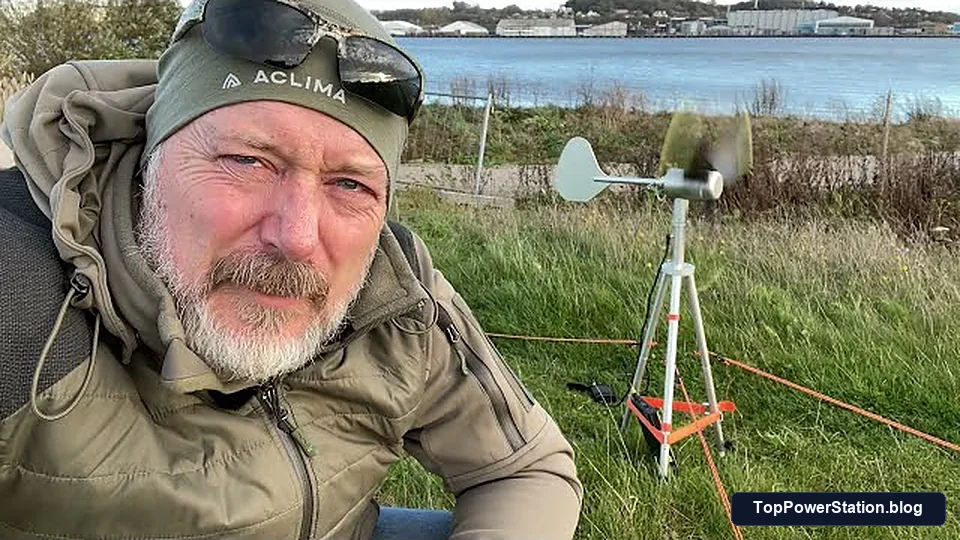
Begin by selecting an open location away from obstructions like trees or buildings. Turbulent air reduces turbine lifespan and drastically lowers electrical output performance.
Anchor your mast securely using heavy-duty guy wires and concrete footings. Secure all electrical cables tightly to prevent friction damage from whipping winds.
Connect the turbine leads to your external charge controller before final hookup. Double-check all polarity markings to prevent reversing positive and negative lines.
Secure your turbine mast to a rigid structural anchor capable of withstanding extreme lateral wind loads. Use galvanized guy wires and heavy-duty ground stakes to prevent dangerous tower collapse during severe storms.
Run heavy-gauge copper wiring from the tower base down to your charging station location. Selecting appropriate wire gauge sizing minimizes line resistance losses over long distance runs in outdoor utility setups.
Install a manual DC disconnect switch inline near your power station for emergency isolation purposes. This hardware allows you to service electrical components safely without exposing delicate internal electronics to hazards.
Seal all external cable junctions using weather-rated junction boxes and dielectric grease compounds. Preventing moisture ingress stops corrosive oxidation from degrading critical connection points across seasonal weather shifts over time.
- Erect masts in open zones with clear, laminar airflow patterns.
- Use galvanized guy wires and rated ground anchors for stability.
- Apply weather-resistant dielectric grease to all outdoor electrical terminals.
- Ground the metal mast securely to an earth rod for lightning safety.
Securing Masts and Managing Rotor Clearance
Ensure turbine blades maintain safe clearance from guy wires and structures. Improper clearance leads to catastrophic blade strikes during high wind gusts.
Inspect all mounting bolts and bracket assemblies using a torque wrench. Regular mechanical checks prevent vibration loosening over months of continuous operation.
- Verify rotational clearance before hoisting the tower upright.
- Check guy wire tension seasonally using a calibrated tension meter.
Mitigating Intermittency And Power Fluctuation Risks
Wind energy is inherently intermittent, creating inconsistent power delivery challenges. Sudden lulls in wind speed can cause power stations to repeatedly cycle charging states.
Frequent connection dropping reduces overall energy harvest efficiency and wears connectors. Implementing a buffer storage system resolves this erratic charging behavior effectively.
Deep-cycle auxiliary batteries act as smooth shock absorbers for micro-turbines. The turbine charges the buffer battery, which then feeds a steady DC stream to your station.
Always monitor system telemetry closely during initial test runs. Observing real-time voltage graphs helps identify performance bottlenecks and erratic generation spikes.
Wind energy inherently arrives in unpredictable gusts rather than steady, reliable streams like solar setups. Integrating a secondary storage buffer or deep-cycle battery bank helps smooth out jagged incoming charging profiles.
Low-wind cut-in speeds mean your turbine produces zero usable power during calm atmospheric conditions. Plan your daily energy consumption around historical local weather patterns rather than relying on constant continuous generation.
Configure your power station settings to accept variable trickle charges without constantly waking up display screens. Constant screen illumination caused by flickering turbine inputs drains precious energy reserves during low-output phases.
Monitor real-time amperage metrics closely using an external digital multimeter during initial system commissioning phases. Identifying power dropouts early prevents frustrating charging interruptions during critical off-grid camping or emergency scenarios.
- Use intermediate deep-cycle batteries to smooth out erratic power output.
- Monitor digital multimeter displays for sudden voltage surges during gusts.
- Configure charge controllers to prevent back-feeding current into turbines.
- Disconnect portable generators during severe electrical thunderstorm warnings.
Buffering Power with Auxiliary Deep-Cycle Batteries
Routing turbine power through an auxiliary battery stabilizes energy flow. Using a robust 30 amp power station allows you to draw a steady, regulated current safely.
This setup protects sensitive internal power station inverters from transient voltage spikes. It maximizes energy capture by storing low-amp trickle generation efficiently.
- Match auxiliary battery chemistry to your specific charging parameters.
- Install inline circuit breakers between the buffer battery and generator.
Long-Term Maintenance and Weatherization Protocols
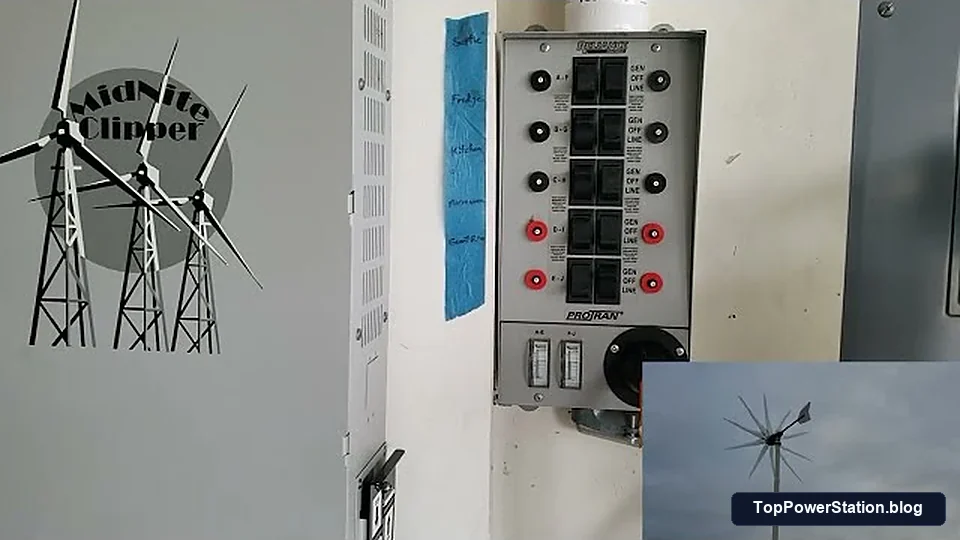
Outdoor renewable energy equipment requires routine physical and electrical inspections. Harsh weather elements quickly degrade exposed mechanical joints and wiring insulation.
Examine turbine blades regularly for micro-cracks, pitting, or aerodynamic wear. Damaged blades cause severe rotor imbalances that destroy internal generator bearings.
Lubricate moving pivot points and slip rings using marine-grade grease. Preventative maintenance significantly extends the operational lifespan of your micro-wind setup.
Store portable power stations indoors away from damp, freezing outdoor environments. Only connect outdoor generation lines when actively monitoring system charging parameters.
Inspect turbine blade leading edges annually for microscopic stress fractures or aerodynamic pitting damage. Unbalanced rotor blades generate severe mechanical vibration that quickly destroys internal bearings and tower mountings over time.
Apply specialized marine-grade lubricants to all moving mechanical pivot points and slip rings seasonally. Proper lubrication prevents seizure during freezing winter temperatures while ensuring smooth yaw tracking movements into shifting breezes.
Test your dump load resistor circuits periodically with a digital ohmmeter. Monitoring a smart power station with app control helps you catch catastrophic over-voltage conditions during sudden high-wind events.
Check all terminal lugs and grounding rods for signs of galvanic corrosion or mechanical loosening. Tightening hardware securely ensures low-resistance electrical pathways and protects your valuable equipment from sudden lightning surges.
- Inspect rotor blades seasonally for hairline cracks or balance issues.
- Apply marine-grade grease to pivot bearings and rotating joints.
- Check all outdoor terminal blocks for signs of moisture corrosion.
- Test manual mechanical brakes periodically to ensure emergency reliability.
Inspecting Bearings, Blades, and Wiring Harnesses
Listen carefully for unusual grinding noises during turbine rotation. Unusual acoustic feedback indicates worn generator bearings requiring immediate replacement.
Check outdoor cabling for UV degradation, cracking, or rodent chewing damage. Replace compromised wiring immediately to prevent short circuits and fire hazards.
- Perform spin tests manually to check for smooth bearing rotation.
- Wrap outdoor electrical connections in heavy-duty vulcanizing tape.
Frequently Asked Questions
Can I connect a wind turbine directly to my power station?
Direct connection is strongly discouraged without a controller. Unregulated wind voltage spikes will permanently damage internal station circuits.
What kind of charge controller do I need for wind charging?
You must use a specialized wind charge controller featuring a dump load resistor. This prevents overspeeding and dangerous battery overcharging.
Why does my wind turbine output fluctuate so much?
Natural wind speed is inherently erratic and gusty. Using an intermediate auxiliary battery helps smooth out these power delivery inconsistencies.
How high should I mount my portable wind turbine?
Mount your turbine at least fifteen feet high on a stable mast. This avoids turbulent ground-level airflow and captures steady winds.
Will heavy winds destroy my portable turbine generator?
Excessive gales can cause catastrophic mechanical failure without braking systems. Always engage manual brakes or dump loads during severe storms.