What Happens If You Overload a Portable Power Station?
Pushing a portable power station beyond its rated capacity triggers critical internal safety protocols. Knowing these thresholds prevents permanent hardware failure during critical field deployments.

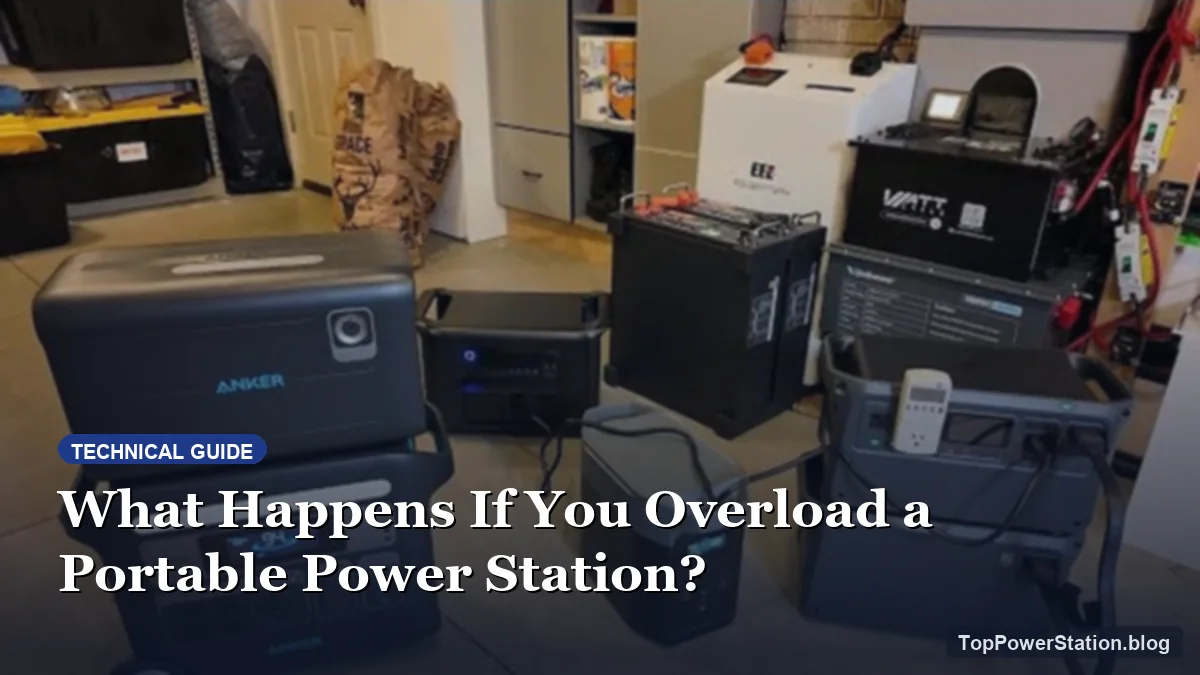
Overloading a generator instantly activates the automatic inverter shutdown, cutting AC output to protect sensitive lithium cells. Always verify peak surge wattage limits before connecting heavy motor loads.
Ready to compare models? Start with our Best Portable Power Station: Top Backup & Off-Grid Picks.
Practical Quick-Reference Table
| Scenario / Metric | Recommended Target | Why It Matters |
|---|---|---|
| Continuous Load | 80% of rated max | Prevents thermal stress |
| Surge Capacity | Under peak rating | Stops inverter lockouts |
| Ambient Temp | 50°F to 85°F | Protects battery cells |
| Cooling Vents | Clear of debris | Ensures airflow |
| Startup Sequence | Staggered activation | Reduces spike loads |
| Cable Inspection | Zero fraying | Prevents short circuits |
Internal Inverter Protection Mechanics
Modern lithium generators rely on sophisticated microprocessor controls to monitor real-time electrical draw. When current exceeds the rated continuous threshold, internal sensors instantly flag the over-current condition.
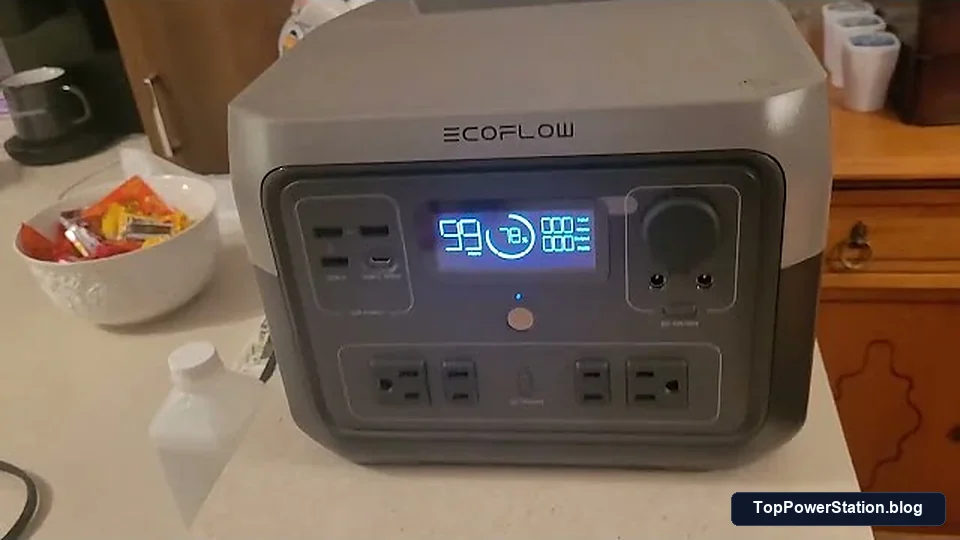
The primary line of defense is the electronic circuit breaker embedded directly inside the inverter architecture. This solid-state mechanism reacts in milliseconds to prevent catastrophic thermal runaway on the main board.
Unlike older mechanical fuses that require manual replacement, digital overload protection automatically resets once the offending load is removed. However, repeated tripping degrades component longevity over extended operating lifespans.
Understanding these rapid hardware responses helps users configure field kits safely, especially when choosing the best portable power station for your daily power needs. Maintaining a healthy safety margin ensures reliable off-grid power delivery.
- Microprocessors monitor AC output currents constantly.
- Solid-state breakers trip within milliseconds.
- Digital resets eliminate manual fuse replacements.
- Repeated overloads degrade internal circuit boards.
The Role of Microcontrollers
Advanced firmware continuously compares actual power draw against manufacturer specifications. This digital oversight stops dangerous voltage spikes from damaging connected consumer electronics.
Engineers program these chips with precise thermal curves to handle brief inductive motor surges safely. Exceeding those programmed durations forces an immediate, unyielding system lockout.
- Firmware tracks real-time power fluctuations.
- Thermal curves manage brief inductive surges.
Continuous Output Versus Surge Capacity
Every reliable power unit features distinct output ratings that dictate operational limits. Reviewing options like the best portable power station for home backup helps define your baseline needs. The continuous wattage rating defines steady loads.
Conversely, the surge or peak capacity represents a temporary burst threshold designed for motor startups. Compressors and power tools often demand triple their running wattage during initial rotation phases.
Exceeding the continuous rating for more than a few seconds triggers the safety lockout. Meanwhile, pushing past the peak surge limit causes an instant, hard shutdown of the entire inverter.
Users must carefully evaluate both metrics before plugging in heavy workshop equipment or kitchen appliances. Ignoring these technical boundaries frequently leads to unexpected equipment failure in remote environments.
- Continuous ratings apply to steady loads.
- Surge ratings handle brief motor startups.
- Inductive devices require high initial watts.
- Sustained overloads trip safety circuits.
Managing Inductive Motor Loads
Inductive appliances create magnetic fields that demand massive initial currents upon startup. Generators must absorb these sudden spikes without dropping voltage below safe operational levels.
Selecting units with robust pure sine wave inverters guarantees smoother motor engagement. Proper sizing prevents premature hardware degradation during high-torque operational cycles.
- Motors demand high initial startup current.
- Pure sine inverters smooth power delivery.
Video Walkthrough: Your Power Station is KILLING Your Electronics! (You Don't Understand How it Works)
Thermal Runaway and Component Stress
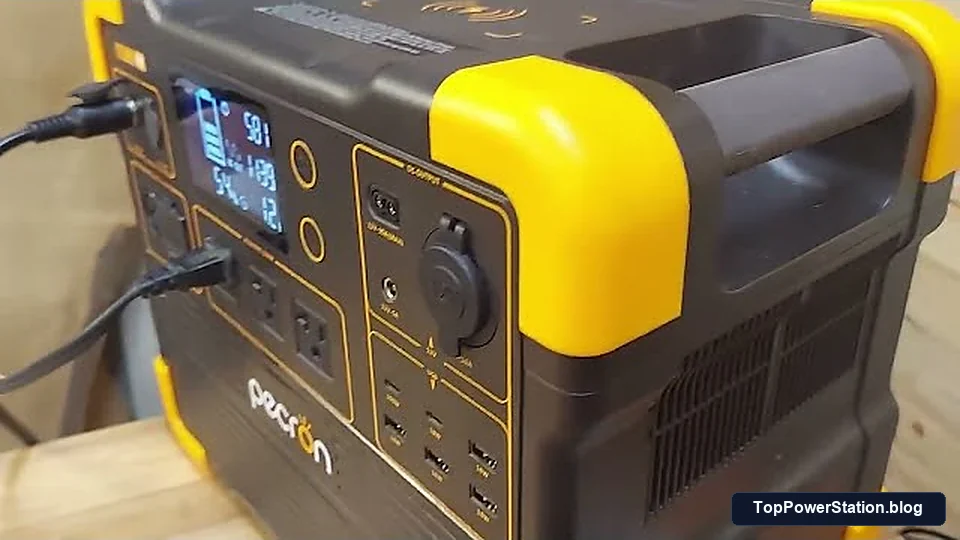
Heavy electrical loads generate immense internal heat within the inverter and battery management system. When current draw surpasses design limits, copper traces and switching transistors experience accelerated thermal stress.
Cooling fans automatically ramp to maximum RPM to dissipate this excess thermal energy safely. If ambient temperatures are high, restricted airflow can still cause internal temperatures to rise dangerously.
Prolonged overheating degrades the chemical integrity of lithium-ion or lithium iron phosphate cells. Extreme heat accelerates capacity fade and compromises the structural safety of the battery pack.
Operators should always monitor cooling vent clearance during heavy multi-device charging sessions. Preventing thermal buildup protects expensive power stations from catastrophic internal component failure.
- Excess load generates severe internal heat.
- Cooling fans mitigate rising component temperatures.
- High heat degrades lithium cell chemistry.
- Blocked vents worsen thermal stress risks.
Battery Management System Responses
The internal battery management system acts as the ultimate gatekeeper for cell health. It monitors voltage, current, and temperature to isolate the pack during extreme overload scenarios.
If internal temperatures breach safety thresholds, the BMS disconnects the DC bus entirely. This aggressive intervention prevents fire hazards and permanent battery destruction during severe electrical faults.
- BMS monitors cell voltage and temperature.
- Severe overloads trigger total DC isolation.
Identifying Overload Warning Indicators
Portable generators communicate impending overloads through visual display warnings and audible alarm tones. Digital screens typically flash a warning code or blink the AC output icon rapidly.
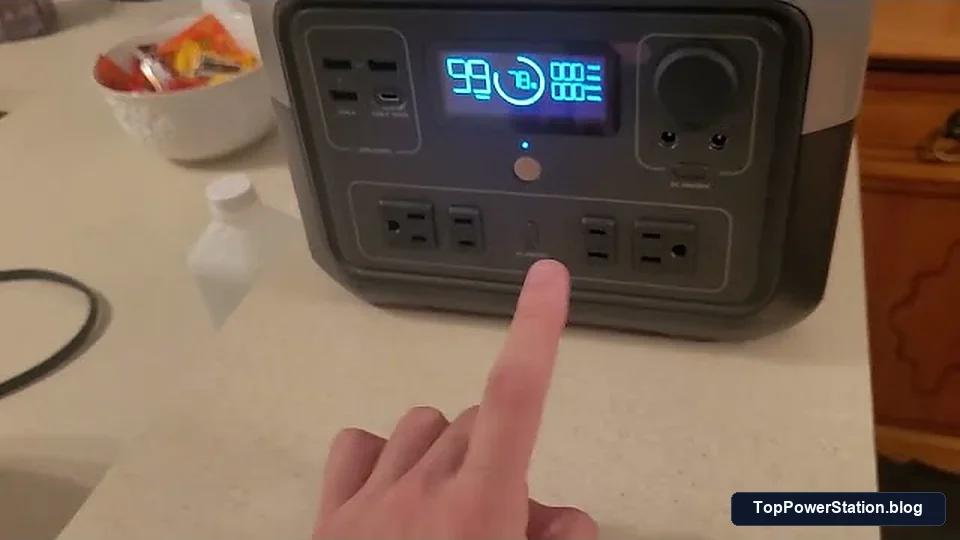
Ignoring these early visual alerts gives the microprocessor just moments before cutting power. Users must act quickly by unplugging high-wattage devices to restore normal operating parameters.
Some advanced models feature dedicated error indicator lights paired with specific fault numbers. Consulting the user manual decodes these messages to identify the exact cause of failure.
Recognizing auditory beeps helps field technicians troubleshoot issues without staring at LCD screens. Prompt response preserves equipment uptime and prevents sudden operational halts during emergencies.
- LCD screens display flashing error codes.
- Audible alarms warn of impending shutdowns.
- Error numbers pinpoint specific electrical faults.
- Immediate action restores normal inverter output.
Interpreting Digital Display Codes
Modern LCD panels provide granular data regarding voltage, amperage, and wattage consumption. Learning to read these live metrics allows operators to manage power distribution effectively.
When a fault code appears, cross-reference it immediately with manufacturer documentation. Understanding the specific error prevents repeated misapplication of heavy electrical loads.
- Live displays track real-time power draw.
- Documentation decodes cryptic error numbers.
Emergency Recovery and Reset Protocols
Recovering from an overload requires a structured, step-by-step diagnostic procedure to ensure safety during field trips. Whether using a standard unit or the best portable power station for camping, first turn off the device immediately and disconnect cords.
Inspect all connected power cables and device plugs for visible scorching or melting damage. Damaged cords can cause short circuits that immediately trip safety systems upon restart.
Power the generator back on without any loads attached to verify normal idle operation. If the unit initializes correctly, gradually reconnect essential devices one at a time.
Never attempt to bypass internal circuit breakers or modify firmware to increase output limits. Such dangerous modifications void warranties and create severe electrical shock hazards for operators.
- Disconnect all loads immediately after tripping.
- Inspect cables for physical heat damage.
- Test idle operation before adding devices.
- Never bypass factory safety mechanisms.
Step-by-Step System Restoration
Allow the power station to cool completely in a shaded, ventilated area before restarting. Thermal dissipation reduces internal stress on sensitive semiconductors and battery cells.
Verify that total running wattage remains comfortably below the manufacturer specified continuous limit. Conservative loading ensures reliable, uninterrupted power delivery for your equipment.
- Allow units to cool completely first.
- Keep total loads below continuous ratings.
Preventing Accidental Power Overloads
Proactive power management is the most effective strategy for avoiding accidental system overloads. Calculate the total running wattage of all simultaneously operated devices prior to field deployment.
Utilize heavy-duty power strips with built-in circuit breakers to add an extra layer of protection. These external devices often trip before the generator's internal inverter shuts down.
Stagger the activation of high-draw appliances rather than turning everything on simultaneously. Staggering prevents cumulative surge spikes from overwhelming the primary inverter architecture.
Label high-wattage workshop tools and kitchen appliances clearly with their exact power requirements. You can also use our runtime wh calculator to estimate energy consumption accurately before starting appliances. Clear labeling empowers users to make informed operational decisions.
- Calculate total running wattage beforehand.
- Stagger appliance startup sequences.
- Use protected power strips externally.
- Label high-draw equipment clearly.
Calculating Wattage Requirements Accurately
Multiply operating voltage by running amperage to determine exact device power consumption. Always account for startup surge multipliers when dealing with electric motors and compressors.
Keep a running tally of connected loads on a clipboard or laminated cheat sheet. This simple organizational habit prevents accidental overloads during high-stress field operations.
- Multiply volts by amps for exact watts.
- Account for motor startup multipliers.
Long-Term Hardware Impact of Overloads
Frequent electrical overloads inflict cumulative damage on internal electronic components and wiring harnesses. Repeated thermal stress degrades solder joints and weakens semiconductor junction integrity over time.
While modern safety systems prevent instant catastrophic failure, chronic abuse shortens overall equipment lifespan. Inverters pushed to their absolute limits experience premature capacitor degradation and voltage instability.
Preserving your investment requires respecting manufacturer specifications and maintaining adequate operational headroom. Treating portable power stations with technical discipline ensures years of dependable emergency service.
Regular maintenance, clean cooling vents, and careful load calculation safeguard your equipment investment. Prioritizing safety guarantees reliable off-grid performance whenever electrical emergencies arise.
- Overloads cause cumulative internal hardware wear.
- Thermal stress weakens solder and semiconductors.
- Respecting limits maximizes equipment lifespan.
- Proper maintenance ensures reliable performance.
Protecting Your Power Investment
Treat portable power stations with the same respect as permanent standby generators. Careful load management protects delicate internal electronics from premature mechanical failure.
Routine inspection of input and output ports prevents resistive heating from loose connections. Proactive care ensures maximum operational readiness during critical grid outages.
- Manage loads like permanent generators.
- Inspect ports for resistive heating.
Frequently Asked Questions
What happens immediately when you overload a portable power station?
When a severe electrical overload occurs, the internal inverter instantly trips its solid-state circuit breaker to cut all AC output within milliseconds of exceeding rated operational limits.
This rapid microprocessor response prevents catastrophic thermal damage and safely safeguards your valuable connected consumer electronics from dangerous voltage fluctuations during unexpected field power surges.
Can overloading a power station cause a permanent battery failure?
While the advanced battery management system usually isolates the internal pack during severe electrical faults, repeated thermal stress progressively degrades overall cell chemistry and accelerates permanent capacity loss over time.
Chronic operational abuse significantly shortens the total working lifespan of expensive lithium ion or lithium iron phosphate battery packs housed inside your portable power station.
How do I safely reset my portable power station after an overload?
Turn off the unit immediately and safely unplug all connected power cords before allowing the sensitive internal electronics to cool down completely in a shaded, well-ventilated operating space.
Power the generator back on without any active loads attached to verify normal idle operation before gradually reconnecting your essential appliances one at a time.
What is the difference between continuous wattage and surge capacity?
The continuous rating represents the steady electrical load a unit can safely sustain indefinitely without overheating sensitive internal components during normal extended field operations.
Conversely, the maximum peak surge capacity provides a temporary power burst designed specifically to handle heavy motor startups and high-torque compressor rotations without immediately tripping safety circuits.
Why does my generator shut down even when my devices are under the wattage limit?
Motor driven appliances often require massive initial startup currents that can easily exceed the peak surge threshold of your inverter despite running below continuous wattage limits.
Additionally, high ambient field temperatures, restricted airflow, or blocked cooling vents can cause sensitive internal sensors to trigger premature thermal protection shutdowns unexpectedly.