What Is Floating Neutral on Portable Power Station?
Explore the electrical engineering principles behind floating neutral systems. Learn how generator grounding affects sensitive electronic equipment and safety.

A floating neutral means the electrical neutral conductor is not bonded to the earth ground inside the unit, which requires specific safety protocols for proper appliance operation.
Ready to compare models? Start with our Best Portable Power Station: Top Backup & Off-Grid Picks.
Practical Quick-Reference Table
| Electrical Metric | Floating Neutral State | Bonded Neutral State |
|---|---|---|
| Neutral-to-Ground Resistance | Infinite or Open Loop | Zero Ohms (Connected) |
| Standard Inverter Design | Default Factory Configuration | Requires Custom Bonding Plug |
| GFCI Receptacle Tripping | Often Fails to Trip Properly | Functions Correctly per Code |
| Whole-House Interlock Kit | May Trigger Fault Indicators | Meets National Electrical Code |
| Sensitive Electronics | Safe for Direct Plug-In | Safe for Direct Plug-In |
| Multimeter Verification | High AC Voltage Between Slots | Zero Volts Neutral to Ground |
Fundamentals of Electrical Grounding in Generators
Electrical systems rely on established reference points to maintain stable voltage levels. Understanding these foundational pathways prevents unexpected equipment failures during outdoor excursions.
Traditional home grids bond the neutral wire directly to earth ground at the main panel. Selecting options from our home backup power guide helps clarify isolated inverter architecture differences.
Electrical grounding establishes a physical reference point to the earth, stabilizing voltage levels during fault conditions. Portable stations rely on isolated inverter architectures to prevent ground loops and protect internal microprocessors.
Traditional utility power bonds the neutral conductor to the earth at the main service panel. Portable generators disconnect this internal bond, creating an unreferenced circuit where voltage measurements against earth ground read zero.
- Every electrical circuit requires a complete return path for current.
- Earth grounding protects human operators from accidental high-voltage shocks.
- Inverters generate simulated alternating current without earth reference by default.
- Floating systems isolate internal electronics from external ground faults.
Differentiating Earth Ground and Neutral Conductors
The neutral wire carries normal operating current back to the power source. The earth ground wire serves as a safety backup for fault currents.
Keeping these two pathways separate defines the floating neutral condition typical of modern battery-based generators.
- Neutral carries active load current.
- Ground only carries fault current.
- Floating means lack of internal bridge.
Defining the Floating Neutral Architecture
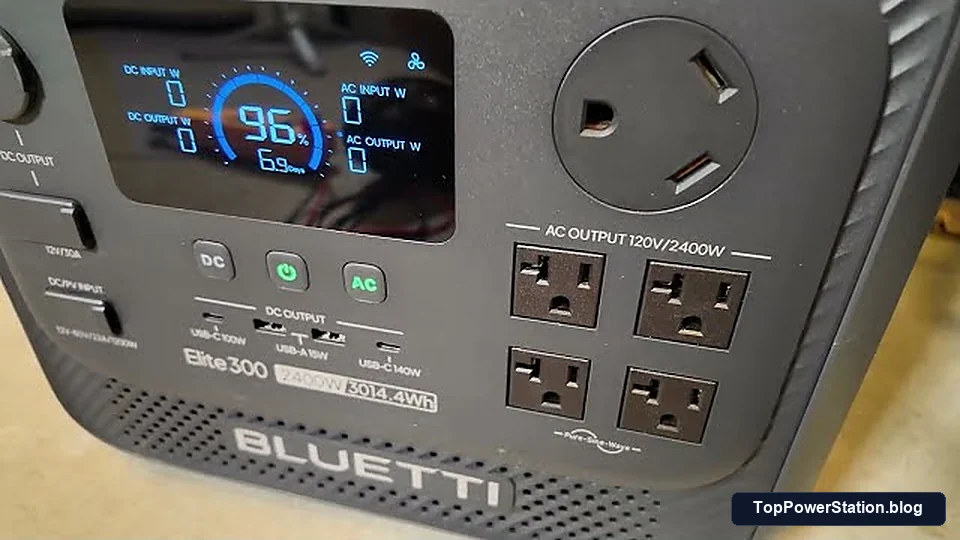
A floating neutral configuration means the neutral terminal lacks an electrical bond to the metallic chassis or earth ground pin. This design prevents internal ground loops in portable units.
Manufacturers choose this approach to comply with international safety standards for isolated power sources. It allows users to operate devices safely without requiring a physical earth rod.
A floating neutral means the alternating current circuit conductors have no direct electrical connection to the chassis or earth ground. This design prevents accidental shock hazards by isolating the output inverter stage from external conductive surfaces.
Without an earth reference, fault current cannot return via the grounding conductor to trip a standard breaker. Technicians measure infinite resistance between the neutral blade and earth pin on unbonded AC output receptacles.
- Internal circuits float relative to the physical earth.
- AC output operates as a completely self-contained electrical loop.
- Chassis grounding protects against accidental casing shorts.
- No internal jumper connects neutral to the ground prong.
How Inverter Power Stations Generate AC Output
Battery cells store direct current that high-frequency inverters convert into alternating current. This electronic conversion process creates an independent floating voltage waveform.
Without a physical connection to earth, the voltage floats freely without referencing true ground potential.
- DC power converts via high-frequency switching.
- AC output forms a floating sine wave.
- Isolation transformers are rarely used internally.
Video Walkthrough: What is Floating Neutral ? Easiest Explanation with Circuit Simulation
Why Modern Power Stations Utilize Floating Neutrals
Portable units are designed for versatile, multi-environment use where permanent earth grounding is impossible. A floating design prevents dangerous ground loops when connecting multiple floating devices.
Without this isolation, users could inadvertently create hazardous fault pathways when plugging units into various outdoor receptacles or ungrounded extension cords during remote work tasks.
Manufacturers implement floating neutrals to comply with international safety standards and prevent hazardous ground loops when using sensitive electronics. This flexibility allows the unit to operate safely in off-grid mobile environments without complex installation.
Additionally, floating architectures reduce manufacturing costs and simplify multi-voltage inverter designs. Users can safely power ungrounded two-prong appliances without triggering internal ground fault protection circuits prematurely during normal operation.
- Eliminates complex grounding requirements for mobile operation.
- Protects internal inverter boards from external lightning surges.
- Complies with global electrical safety compliance certifications.
- Reduces risk of accidental shock in wet conditions.
Safety Implications for Mobile and Outdoor Use
When operating completely outdoors, a floating neutral prevents dangerous earth potential rises. Users remain safe because the power source is entirely self-contained.
However, this isolation can interfere with safety devices that expect a bonded reference to trigger correctly during a fault.
- Self-contained loops reduce local shock hazards.
- Lack of reference can bypass some safety trips.
- Always verify local code requirements before use.
Assessing Equipment Compatibility and Safety Risks
Most standard household appliances run perfectly fine when powered by a floating neutral source. Devices with standard two-prong plugs experience no functional difference whatsoever.
Complications arise when powering specialized equipment or connecting the generator to a home electrical panel via an interlock kit. Ground fault circuit interrupters may fail to function.
Sensitive medical devices, gas furnaces, and modern appliances often require a bonded neutral to verify flame sensing and proper phase orientation. Operating these units on unbonded power can cause control board errors or unexpected system shutdowns.
The primary safety risk involves undetected line-to-chassis shorts inside connected appliances. Because no return path exists to earth, the chassis remains energized until a user touches it, creating a severe shock hazard.
- Two-prong appliances operate normally without modification.
- GFCI outlets may not trip during a simulated ground fault.
- Medical devices require careful verification of power purity.
- Complex electronics handle floating power safely.
Behavior of Ground Fault Circuit Interrupters
GFCI receptacles rely on balanced current between hot and neutral conductors. A floating system can disrupt this balance, causing intermittent tripping or failure to protect.
Testing your GFCI adapters before critical tasks ensures proper safety operation in the field.
- GFCI requires a stable reference point.
- Unbonded neutrals can cause nuisance trips.
- Test buttons should be checked regularly.
Implementing Grounding Solutions and Neutral Bonding Plugs
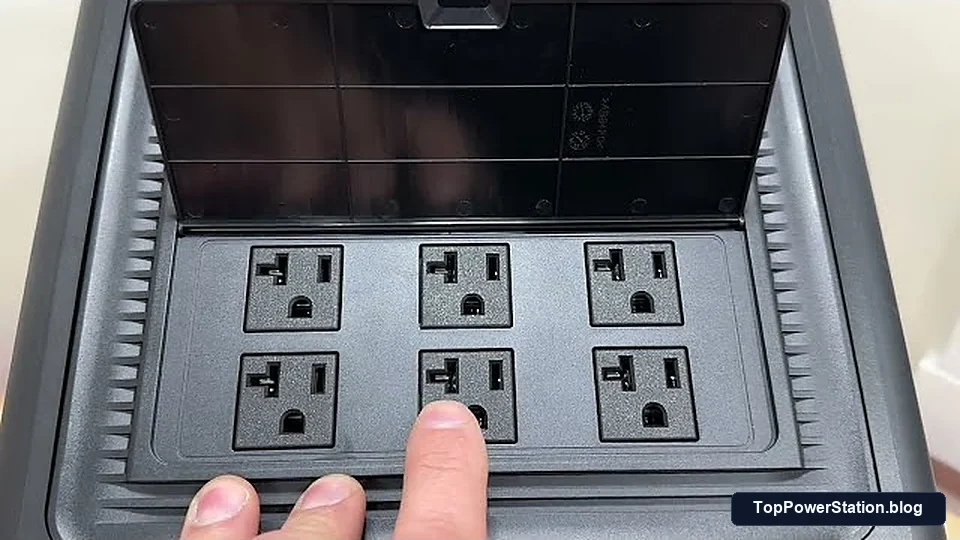
If your application requires a bonded neutral, you can construct a simple neutral-ground bonding plug. This plug connects the neutral slot to the ground pin inside a dummy male plug.
Inserting this specialized plug into an open AC socket creates the necessary electrical bridge to satisfy home transfer switches and sensitive safety equipment requirements.
You can manually establish a neutral-to-ground bond by inserting a custom-wired bonding plug into an unused AC receptacle. Before running heavy loads calculated via our power station runtime calculator, ensure this jumper bridges neutral safely.
Always verify continuity using a digital multimeter before plugging in critical household appliances or transfer switches. Improperly wired bonding plugs can cause reverse polarity conditions, damaging connected electronics and risking personal safety.
- Use a standard heavy-duty male replacement plug.
- Install a jumper wire between neutral and ground terminals.
- Label the modified plug clearly to avoid misuse.
- Remove the plug when standard floating operation is preferred.
Step-by-Step Construction of a Bonding Plug
Gather a durable 15-amp male plug housing with screw terminals. Connect a short copper wire jumper directly from the neutral terminal to the grounding screw.
Tighten all terminal screws securely and verify continuity using a digital multimeter before plugging it into your power station.
- Inspect housing for cracks or damage.
- Ensure secure mechanical wire connections.
- Test resistance with a reliable multimeter.
Connecting to Home Reliance Panels Safely
Integrating your unit from our best portable power station guide into a residential backup system requires careful panel design analysis. Many manual transfer switches handle both hot and neutral wires simultaneously.
Using a switched neutral transfer setup accommodates floating power stations without requiring custom bonding plugs, protecting your home wiring infrastructure from faults.
When integrating a portable power station into a manual transfer switch, check whether your switch switches the neutral wire. Switching mechanisms dictate whether you require a bonded neutral adapter to satisfy electrical code requirements.
Code-compliant installations typically require a bonded neutral at the main source to ensure downstream safety devices operate correctly. Failing to match these requirements can prevent circuit breakers from tripping during an overcurrent fault.
- Consult a licensed electrician for permanent panel integration.
- Verify whether your transfer switch switches the neutral.
- Never backfeed power through standard wall outlets.
- Always follow local electrical codes for emergency backups.
Evaluating Transfer Switch Compatibility
Reliance panels and interlock kits interact differently with unbonded generator outputs. Check your switch manual to determine if a bonded neutral is mandatory.
Proper configuration prevents dangerous ground loops and ensures backup power flows smoothly through the designated circuits.
- Review manufacturer installation guidelines carefully.
- Test system continuity prior to grid outages.
- Ensure mechanical interlocks slide smoothly.
Routine Testing Procedures and Electrical Maintenance
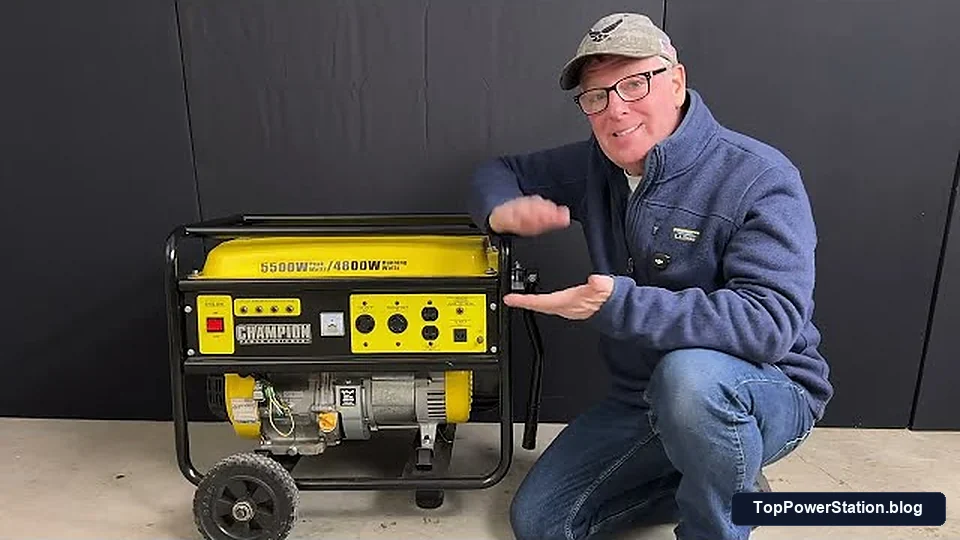
Regularly testing units from our best portable power station for camping review ensures reliable emergency performance. Use a digital multimeter to check AC output voltage and verify ground continuity.
Inspect all exterior casing ports, cooling fans, and rubber covers for signs of wear or debris buildup that could compromise electrical safety in harsh field conditions.
Perform regular multimeter checks across the AC receptacle terminals to monitor output stability and ground integrity. Measuring voltage between neutral and ground helps confirm if your bonding configuration remains active and effective.
Inspect all grounding rods, bonding plugs, and transfer switch connections annually for signs of corrosion or mechanical wear. Maintaining low-resistance connections ensures reliable fault current paths during emergency power grid outages.
- Measure AC voltage across hot and neutral slots.
- Check resistance between neutral and ground pins.
- Inspect plug terminals for oxidation or scorching.
- Store units in dry environments away from moisture.
Using a Multimeter to Diagnose Neutral Status
Set your digital multimeter to AC voltage mode to test output receptacles. A floating neutral typically shows voltage readings between neutral and ground due to induction.
A bonded neutral will register zero volts between the neutral slot and the earth ground pin during testing.
- Set meter to appropriate AC voltage range.
- Insert probes carefully into receptacle slots.
- Interpret readings based on bonding status.
Frequently Asked Questions
What is a floating neutral on a portable power station?
A floating neutral means the internal electrical neutral conductor is not physically connected to the earth ground or unit chassis. This isolated design is standard for mobile inverters.
Are floating neutral power stations safe to use?
Yes, they are completely safe for standard appliances and ungrounded devices. However, specialized transfer switches may require a custom bonding plug to function correctly.
How do I know if my power station has a floating neutral?
You can test the AC receptacle using a digital multimeter set to ohms or voltage. Finding voltage between neutral and ground indicates a floating configuration.
Can I connect a floating neutral generator to my home panel?
You can connect it safely using a compatible transfer switch or manual interlock kit. Always consult local codes and use a switched neutral setup when required.
What is a neutral bonding plug and when do I need one?
A bonding plug connects the neutral and ground terminals inside a dummy plug. You need it only when appliances or transfer switches require a bonded reference to operate.