How Does Pass-Through Charging Work on Power Stations?
Mastering pass-through charging ensures your portable power station manages simultaneous input and output safely. Proper configuration protects internal battery chemistry during continuous off-grid usage.

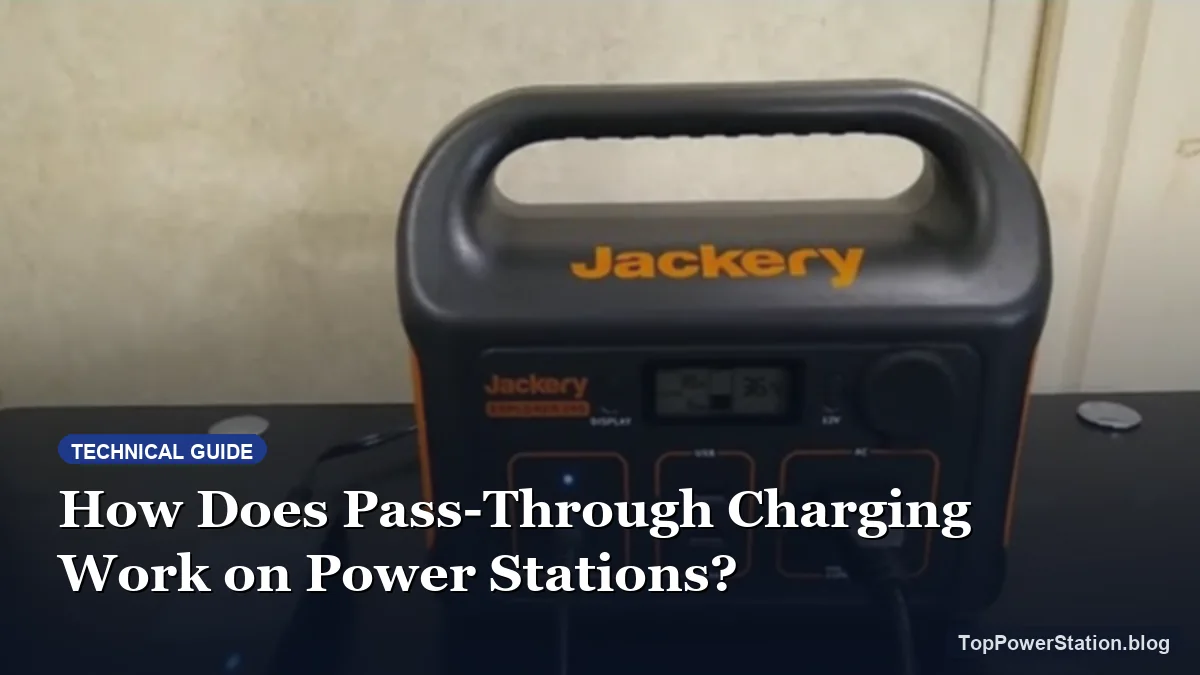
Pass-through charging allows a power station to charge from an input source while simultaneously powering external devices. Always verify that your maximum discharge rate does not exceed safe thermal operating thresholds.
Ready to compare models? Start with our Best Portable Power Station: Top Backup & Off-Grid Picks.
Practical Quick-Reference Table
| Scenario / Metric | Recommended Target | Why It Matters |
|---|---|---|
| Input vs Output Ratio | Input exceeds output | Prevents gradual battery depletion |
| Operating Temperature | Below forty Celsius | Protects lithium cell longevity |
| Maximum Load Limit | Eighty percent capacity | Reduces internal thermal stress |
| Inverter Efficiency | Eighty-five to ninety percent | Minimizes wasted electrical energy |
| Solar Voltage Input | Within panel specifications | Avoids internal charge controller damage |
| Firmware Version | Latest manufacturer release | Ensures optimal power routing algorithms |
Internal Circuitry And Power Distribution Mechanics
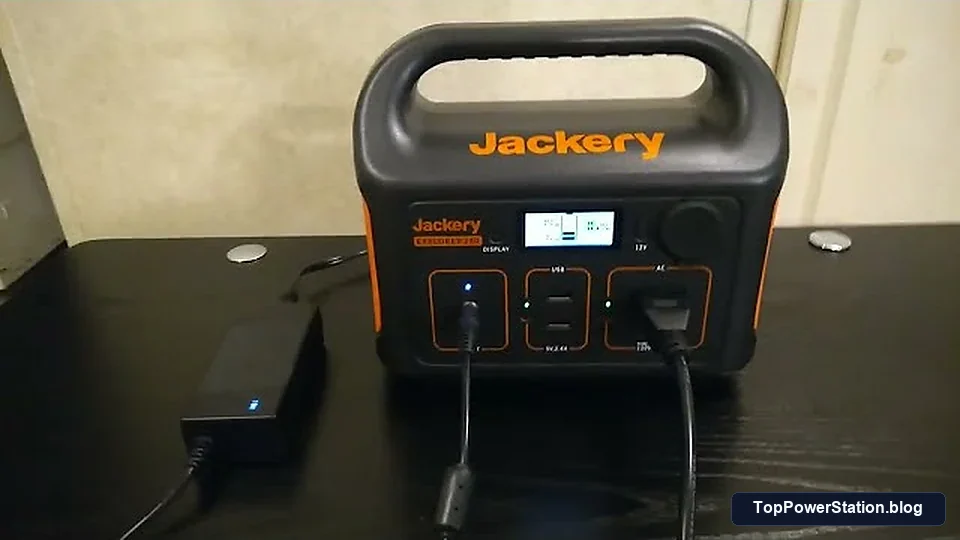
Modern portable power stations utilize sophisticated internal power management systems to handle simultaneous energy flow. These routing circuits divide incoming electrical currents between the storage battery and active output ports efficiently.
When you connect both a wall charger and heavy appliances, the device prioritizes current delivery intelligently. The internal inverter draws directly from the incoming source whenever available input wattage exceeds current device consumption demands.
If total output demands surpass incoming supply limits, the internal battery instantly bridges the missing electrical gap. This seamless transition prevents connected electronics from experiencing sudden brownouts or unexpected shutdown sequences during operation.
Understanding this underlying hardware architecture helps users prevent premature hardware wear and unexpected thermal overloads. Recognizing these engineering limitations ensures reliable performance across multiple demanding off-grid emergency scenarios and field setups.
- Always verify internal inverter limits before connecting high-draw equipment.
- Monitor input and output displays to prevent circuit tripping events.
- Use OEM-approved charging cables to maintain optimal resistance levels.
- Keep firmware updated to ensure smart power routing efficiency.
Direct Current Path Routing
Direct current pathways bypass traditional inversion stages when powering specific low-voltage USB accessories directly. This specialized circuitry reduces conversion heat and preserves overall system efficiency during prolonged emergency operations.
Engineers design these dedicated USB buses to handle continuous loads without stressing main lithium cell banks. Checking device voltage compatibility guarantees safe charging speeds for sensitive mobile phones and tablets.
- Inspect USB ports regularly for debris or moisture buildup.
- Never exceed rated amperage limits on secondary DC connections.
Battery Chemistry Considerations During Simultaneous Operation
Lithium iron phosphate and nickel manganese cobalt chemistries react differently to simultaneous charge and discharge cycles. Managing these electrochemical reactions requires precise voltage regulation to prevent accelerated degradation across internal cell stacks.
Continuous pass-through operation creates micro-cycles where cells experience minute charging simultaneously. Exploring options in our best fast charging portable power station guide ensures you select robust hardware.
Advanced battery management systems monitor individual cell temperatures to halt operation if thresholds become critical. Observing these built-in safety safeguards protects against thermal runaway and permanent chemical composition breakdown.
Proper maintenance routines include allowing the power station to rest periodically between heavy dual-purpose cycles. This thermal recovery time stabilizes internal resistance profiles and maintains healthy electrolyte distribution across all cells.
- Check manufacturer documentation regarding recommended chemical tolerances.
- Avoid running heavy loads while internal temperatures exceed safe limits.
- Perform full calibration cycles every few months for accuracy.
- Store units at moderate percentages when not in active service.
Electrochemical Stress Factors
Rapid temperature shifts inside the chassis alter chemical resistance and decrease overall storage capacity over time. Maintaining a well-ventilated operating environment mitigates these unwanted electrochemical side effects during heavy usage.
Balancing incoming and outgoing currents prevents localized hotspots from forming inside dense battery packs.
- Keep ventilation fans unblocked during continuous operation.
- Monitor cell voltage discrepancies using mobile app interfaces.
Video Walkthrough: “Pass-Through Charging Explained: Can You Use Your Power Station While Charging?”
Thermal Management And Internal Cooling Thresholds
Generating heat is an unavoidable side effect of converting and routing high electrical currents simultaneously. Internal cooling fans activate automatically to dissipate thermal energy away from sensitive inverter boards and batteries.
Blocked exhaust vents severely restrict airflow, causing internal temperatures to rise rapidly during operation. Reviewing insights from our pass-through charging vs dedicated UPS power station comparison helps optimize your thermal management strategy.
If internal sensors detect excessive heat, the device will throttle output power or shut down entirely. Respecting these thermal thresholds prevents permanent hardware damage and extends the operational lifespan of internal components.
Monitoring ambient environmental conditions prevents unexpected thermal shutdowns during hot weather outdoor camping trips.
- Never operate units inside enclosed, unventilated storage compartments.
- Clean dust filters regularly to maintain peak cooling airflow.
- Keep equipment away from direct sunlight during high-draw tasks.
- Listen for abnormal fan noises that indicate mechanical wear.
Active Cooling Fan Operations
Variable-speed fans adjust their rotation velocity based on real-time internal temperature telemetry data. Understanding these fan curves helps users anticipate noise levels during intensive dual-power applications.
Allowing fans to run freely after disconnecting heavy loads ensures safe cool-down periods.
- Keep clearance space around all chassis ventilation ports.
- Avoid placing heavy objects on top of the cooling vents.
Evaluating Input Sources Versus Output Loads Safely
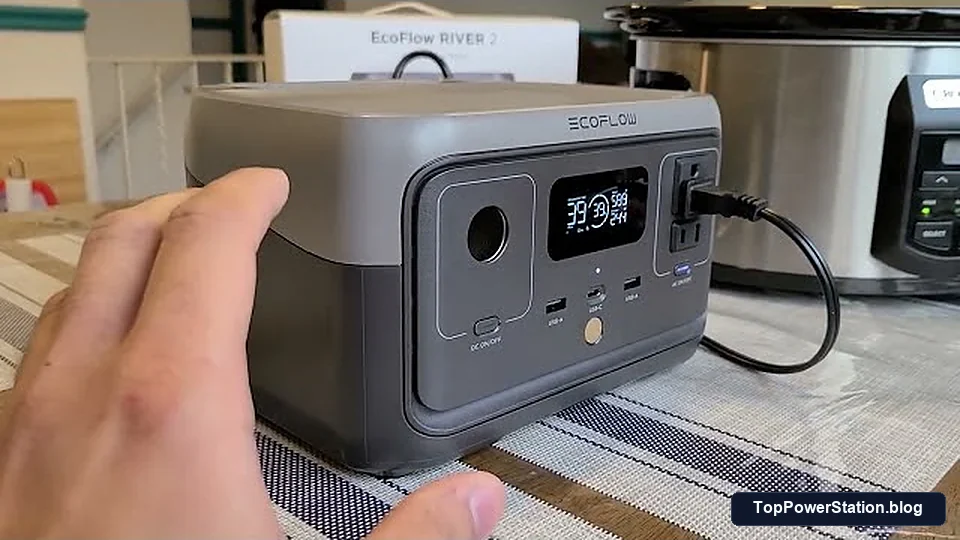
Balancing your input wattage against total output consumption is crucial for successful operation. Reading our best portable power station for drone charging roundup helps you calculate appropriate capacities.
Calculated load planning prevents unexpected power interruptions when running critical medical or communication equipment. Always sum up the running wattage of all connected devices before initiating simultaneous charging operations.
Wall outlets provide high-amperage input that easily outpaces standard household appliance power demands. Conversely, portable solar panels require careful load management due to fluctuating weather conditions and limited sunlight intensity.
Checking digital readout screens regularly confirms that your net energy balance remains positive during use.
- Calculate total running watts before plugging in multiple appliances.
- Use high-capacity wall chargers for faster net replenishment rates.
- Verify generator output stability before connecting sensitive electronic gear.
- Keep backup power cables accessible for rapid configuration changes.
Net Energy Balance Calculations
Subtracting total output consumption from incoming charge wattage yields your true operational energy balance. Maintaining a positive numerical value ensures your storage reserves remain fully topped off for emergencies.
Adjusting appliance usage patterns prevents sudden depletion during unexpected input power drops.
- Review display metrics for real-time input and output data.
- Disconnect non-essential loads if net balance turns negative.
Setting Up Solar Panel Integration With Active Loads
Connecting solar panels while simultaneously powering AC appliances requires compatible charge controller specifications. Variable sunlight can cause input fluctuations that challenge internal power regulation systems during extended off-grid sessions.
Solar charge controllers regulate incoming photovoltaic voltage to protect downstream battery banks from dangerous spikes. Ensuring your panel array matches manufacturer voltage limits prevents catastrophic failure of internal charging circuits.
Positioning panels for maximum solar exposure maximizes the net wattage available for simultaneous device operation. Clean glass surfaces regularly to maintain optimal energy harvesting efficiency throughout changing weather patterns.
Using proper extension cables minimizes resistive power losses between distant solar arrays and your station. Testing various scenarios with our runtime wh calculator ensures accurate capacity planning.
- Verify open-circuit voltage ratings before connecting any solar array.
- Use parallel configurations to stay within maximum amperage limits.
- Secure panels against strong winds during outdoor field deployments.
- Check connector weather seals to prevent moisture ingress damage.
Photovoltaic Voltage Matching
Exceeding maximum solar input voltage parameters will trigger immediate over-voltage protection shutdowns. Always consult technical manuals to confirm exact Voc specifications before plugging in third-party panels.
Proper adapter cables ensure secure connections without introducing hazardous electrical resistance.
- Double-check polarity before snapping solar connectors together.
- Mount panels securely to prevent accidental disconnection events.
Identifying Common Voltage Drop And Efficiency Losses
Conversion inefficiencies occur whenever electrical energy changes from AC to DC or back again. These natural thermodynamic losses mean output wattage will always be slightly lower than total input energy supplied.
Long extension cords introduce electrical resistance that lowers incoming voltage and reduces charging efficiency. Selecting heavy-gauge cables minimizes these unwanted voltage drops across extended field deployment distances.
Dirty or corroded connection terminals create high-resistance bottlenecks that generate excessive localized heat. Inspecting plugs and ports routinely ensures clean electrical conductivity for all connected equipment.
Understanding these inherent conversion losses helps set realistic expectations for backup runtime calculations.
- Keep power cords as short as practical for your setup.
- Inspect plug contacts for signs of pitting or oxidation.
- Use appropriately rated wire gauges for high-amperage applications.
- Clean terminal contact points with approved electrical cleaners.
Resistive Loss Mitigation
Minimizing cable length reduces total resistance and preserves maximum voltage integrity across connections. High-quality copper conductors outperform cheaper aluminum alternatives in demanding electrical environments significantly.
Keeping connections tight prevents micro-arcing and dangerous terminal overheating.
- Choose braided copper cables for superior durability.
- Replace damaged insulation immediately to prevent shorts.
Preventing Overload Failures During Peak Power Draw
Motor-driven appliances require high surge wattage during startup that can easily trigger overloads. Knowing your unit's surge capacity prevents unexpected system lockouts during pass-through charging operations.
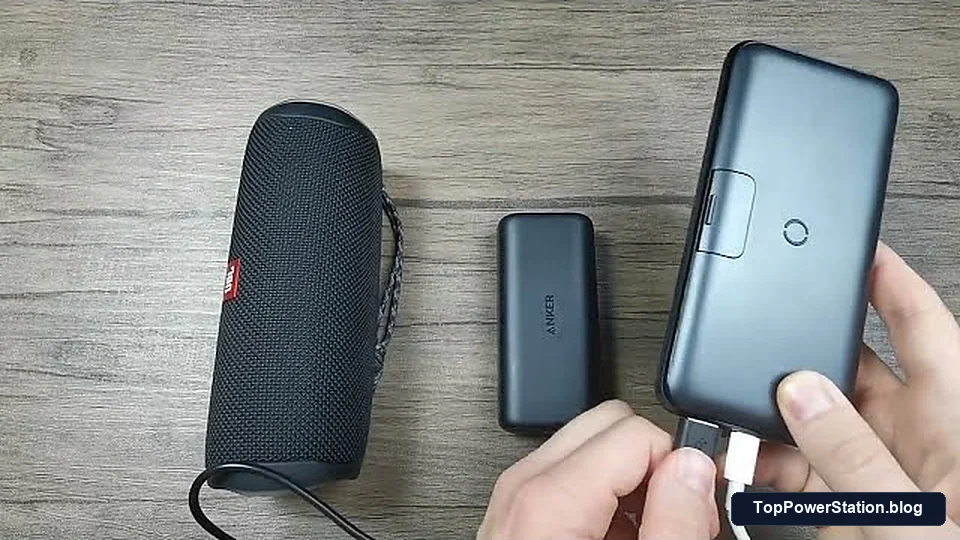
Internal circuit breakers trip instantly when instantaneous demand surpasses safe inverter threshold limits. Resetting these safety mechanisms requires powering down connected loads and restarting the main system.
Staggering the activation of high-draw appliances prevents cumulative surge spikes from tripping internal fuses. This deliberate operational habit protects both the power station and your valuable connected electronics safely.
Reviewing equipment nameplate ratings guarantees you never push your power station past its limits.
- Identify starting surge requirements for compressor-based equipment.
- Stagger appliance startup sequences during high-draw scenarios.
- Keep manual reset procedures handy for emergency situations.
- Avoid daisy-chaining multiple power strips onto single outlets.
Surge Current Management
Compressors and pumps draw massive initial currents that test inverter transient response capabilities. Quality power stations handle these brief spikes smoothly without interrupting ongoing simultaneous input charging.
Verify surge ratings before attempting to start heavy workshop machinery.
- Consult appliance manuals for exact startup wattage specs.
- Disconnect heavy inductive loads if tripping occurs repeatedly.
Long-Term Maintenance Practices For Dual-Action Units
Regular firmware updates optimize internal power routing algorithms and enhance pass-through efficiency. Manufacturers often release software patches that improve thermal management and battery longevity over time.
Cleaning exterior vents and keeping storage areas dry prevents environmental damage to sensitive electronics. Routine inspections catch minor wear issues before they evolve into major equipment failures.
Performing periodic capacity tests verifies that your battery pack retains healthy charge storage characteristics. Documenting these metrics helps track long-term performance trends across your equipment inventory.
Storing units in climate-controlled spaces during off-seasons preserves battery chemistry integrity.
- Check for manufacturer firmware updates on a regular basis.
- Store portable units at recommended state-of-charge levels.
- Inspect all cables and adapters for physical fraying.
- Keep detailed maintenance logs for institutional equipment.
Routine Hardware Inspections
Visual checks of housing seams and port interiors catch early signs of physical stress. Ensuring structural integrity maintains environmental sealing against dust and moisture intrusion.
Replacing worn cables prevents intermittent connections during critical operations.
- Test GFCI outlets periodically using built-in buttons.
- Verify secure mounting of internal components if serviced.
Frequently Asked Questions
Does pass-through charging degrade the internal battery faster?
Frequent micro-cycling can increase thermal stress on internal lithium cells over time. Utilizing proper load balancing minimizes this wear significantly.
Can I run heavy appliances while solar panels are charging?
Yes, provided your total output consumption does not exceed incoming solar wattage. Always monitor your net energy balance on the digital display.
Why does my power station get warm during pass-through mode?
Simultaneous conversion and charging generate natural thermodynamic heat inside the chassis. Ensuring adequate airflow ventilation prevents overheating issues.
What happens if output power exceeds my input charging source?
The internal battery will bridge the electrical gap and gradually discharge. Monitor your remaining runtime indicators to avoid unexpected shutdowns.
Are all portable power stations capable of pass-through charging?
Not every model supports simultaneous input and output operations safely. Always review the manufacturer technical specifications before attempting dual usage.