Pass Through Charging vs Dedicated UPS Power Stations
Understanding power routing helps protect sensitive electronics during grid outages. Choosing the right architecture prevents hardware degradation and data loss.

Select pass-through for basic multi-device charging convenience. Deploy dedicated UPS topology for mission-critical uninterrupted server protection.
Compare all top models in our Best Portable Power Station: Top Picks for 2026.
Side-by-Side Breakdown
| Criteria | Pass Through Charging | Dedicated Ups Power Station | Edge |
|---|---|---|---|
| Core Design / Build | Standard bidirectional inverter routing | Dedicated bypass relay switching circuit | Dedicated Ups Power Station |
| Real-World Performance | Variable millisecond switchover lag | Sub-twenty millisecond enterprise switchover | Dedicated Ups Power Station |
| Ease of Setup & Use | Plug and play convenience | Requires firmware verification and setup | Pass Through Charging |
| Durability & Reliability | High internal battery cycling wear | Grid-direct bypass minimizes wear | Dedicated Ups Power Station |
| Efficiency / Operating Footprint | Constant double conversion energy loss | High standby efficiency via direct relay | Dedicated Ups Power Station |
| Maintenance Requirements | Frequent chemical capacity degradation check | Standard firmware updates and checks | Dedicated Ups Power Station |
| Best Ideal Use Case | Casual outdoor recreational power needs | Home server racks and medical devices | Dedicated Ups Power Station |
Understanding Power Architecture Fundamentals
Modern portable energy storage units manage incoming and outgoing electricity through distinct engineering approaches. Evaluating these internal topologies reveals how hardware handles continuous grid connectivity under heavy loads.
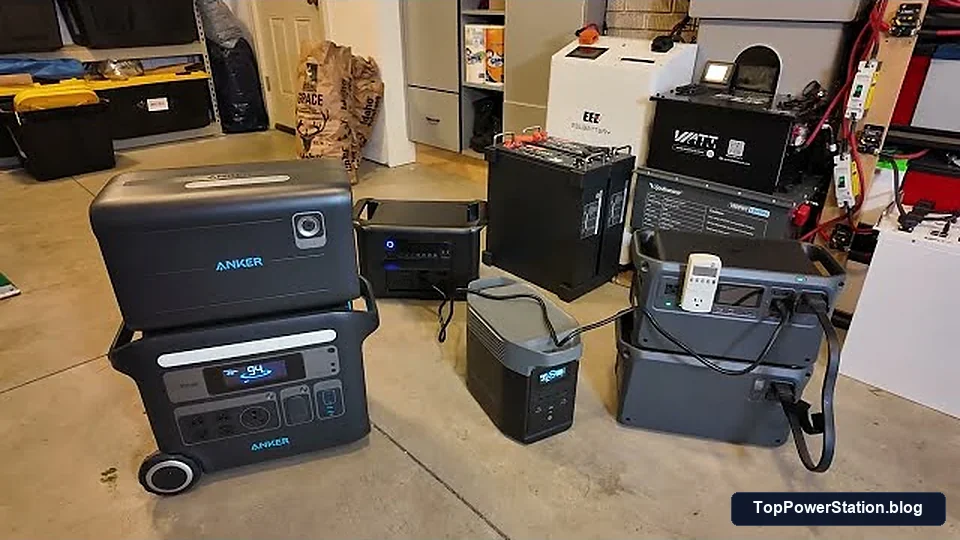
Our guide explaining how pass-through charging works details these internal mechanics. Routing wall current directly through internal chemistry before powering attached loads impacts long-term battery lifespan significantly across repeated daily operations.
Dedicated uninterruptible power systems utilize specialized bypass relays to feed wall power straight to devices. Internal batteries remain untouched until a sudden grid failure disrupts normal utility voltage.
Standard portable power stations utilize an AC-to-DC inverter topology that prioritizes mobile energy storage over instantaneous grid redirection. When wall power enters the unit, it typically routes through an internal rectifier.
Conversely, dedicated uninterruptible power supplies employ a true online or line-interactive architecture designed specifically for continuous pass-through operations. These systems maintain strict voltage regulation while isolating sensitive IT hardware from fluctuations.
Internal circuitry pathways dictate how efficiently electrical current flows from the input source to connected loads. Understanding these fundamental design differences helps engineers select appropriate hardware configurations for mission-critical installations.
- Pass-through routes power through internal lithium cells.
- Dedicated UPS bypasses batteries during normal grid operation.
- Relay switching speed dictates sensitive hardware safety.
Inverter Topology Differences
Standard units rely on a single bidirectional inverter handling charging and discharging simultaneously. This creates thermal stress during high-draw operations.
Enterprise-grade units isolate charging circuits from pure sine wave output stages, ensuring maximum operational stability.
- Bidirectional inverters handle dual workloads.
- Isolated stages reduce thermal throttling risks.
Switchover Speeds and Equipment Safety
When utility power fails instantly, choosing a model from our best portable power station for drone charging guide highlights how reaction speed determines hardware survival. Sensitive electronics require rapid transitions to prevent unexpected shutdowns.
Pass-through models often introduce noticeable transfer latency because circuits must stabilize incoming voltage drops. This delay can trigger hard reboots on vulnerable electronics during blackouts.
Dedicated backup systems boast strict switchover windows measured in milliseconds, ensuring seamless continuity for desktop workstations, networking routers, and medical monitors.
Transfer time remains a critical metric when evaluating how a power station handles sudden grid failures. Standard units often exhibit switchover delays ranging from 15 to 30 milliseconds during blackouts.
Such brief interruptions can easily cause sensitive desktop computers or network switches to reboot unexpectedly. Dedicated uninterruptible systems achieve near-instantaneous transfer times, often staying well under 10 milliseconds to prevent system crashes.
Hardware safety relies heavily on maintaining stable sinusoidal output waveforms during these critical transition phases. Selecting appropriate switchover thresholds prevents premature component degradation across delicate microprocessors and peripheral hardware arrays.
- Transfer latency risks unsaved data loss.
- Sub-twenty millisecond switches protect sensitive microprocessors.
- Relay quality dictates overall transfer reliability.
Evaluating Millisecond Latency
Standard consumer units feature transfer speeds exceeding thirty milliseconds, which challenges sensitive power supplies. True enterprise backups maintain speeds under fifteen milliseconds reliably.
Checking manufacturer specifications prevents costly hardware damage during unexpected grid failures.
- Consumer units average thirty millisecond delays.
- Enterprise hardware achieves sub-fifteen transitions.
Battery Longevity and Thermal Dynamics
Continuous charging and discharging cycles accelerate chemical degradation within lithium iron phosphate packs. Managing internal temperatures remains paramount for preserving rated capacity over years.
Pass-through designs keep batteries in a perpetual state of micro-cycling, generating excess internal heat. Elevated operating temperatures shorten total cycle life faster than standard usage.
Bypass architecture protects cells by routing utility current directly to AC outlets. Batteries rest peacefully until a blackout demands chemical discharge support.
Continuous pass-through charging forces lithium-ion chemistry to undergo simultaneous charge and discharge cycles, generating substantial internal heat. Elevated operating temperatures significantly accelerate battery capacity degradation over extended deployment periods.
Dedicated backup units manage thermal loads by utilizing sophisticated bypass modes that route AC mains directly to loads. This clever engineering minimizes unnecessary chemical stress and preserves overall cycle life expectancy.
Reviewing choices in our best portable power station with ups function guide shows how monitoring internal thermal sensors lets systems throttle charging speeds when ambient conditions peak. Effective heat dissipation directly correlates with sustained efficiency.
- Micro-cycling generates chronic internal heat.
- Bypass routing preserves chemical lifespan effectively.
- Thermal management dictates long-term hardware value.
Thermal Load Management
Active cooling fans activate frequently during heavy pass-through operations to dissipate built-up heat. Quiet bypass modes eliminate unnecessary fan noise and reduce dust intake.
Proper ventilation placement ensures optimal thermal regulation in enclosed spaces.
- Active fans mitigate high internal temperatures.
- Bypass modes minimize annoying acoustic output.
Efficiency Losses and Energy Footprint
Energy conversion always incurs efficiency losses due to electrical resistance and component heat dissipation. Understanding these conversion metrics helps quantify total long-term operating costs.
Pass-through configurations suffer from double conversion penalties as power transforms from AC to DC and back. This inefficiency increases monthly utility consumption visibly over time.
Bypass systems minimize conversion losses by delivering wall power directly to connected electronics. This streamlined path maximizes electrical efficiency during normal grid conditions.
Double-conversion energy processes introduce noticeable conversion losses as electricity transforms from AC to DC and back. These inherent thermal inefficiencies result in higher parasitic power draws over continuous operational cycles.
Portable generators running continuous pass-through modes often waste substantial wattage simply maintaining internal inverter states. Facility managers must account for these ongoing energy penalties when calculating total utility operating costs.
Dedicated hardware often features high-efficiency eco-modes that drop power consumption during low-load intervals. Optimizing your overall electrical footprint requires careful analysis of idle draw metrics and conversion efficiency curves.
- Double conversion introduces compounding efficiency penalties.
- Direct bypass paths reduce wasted electrical energy.
- Utility bills reflect cumulative power station inefficiencies.
Measuring Round-Trip Efficiency
Standard charging loops achieve roughly eighty percent round-trip efficiency under optimal conditions. Dedicated bypass setups retain near-unity throughput during standard utility availability.
Advanced power meters help track exact parasitic draw accurately.
- Standard loops yield eighty percent efficiency.
- Bypass setups retain near-unity throughput levels.
Deployment Scenarios and User Workflows
Selecting the correct power architecture depends heavily on your specific day-to-day operational requirements. Casual users prioritize plug-and-play simplicity, while professionals demand absolute reliability.
Pass-through units suit recreational environments where occasional power drops cause minimal operational disruption. Users can charge phones while simultaneously recharging the main station outdoors.
Critical office environments and home server racks require the robust protection of dedicated backup topologies. Preventing sudden data corruption justifies the specialized hardware investment.
Field technicians frequently rely on versatile portable generators that support basic pass-through charging for remote tool batteries. These flexible configurations excel in mobile environments where absolute zero-latency failover is not required.
Server rooms and security monitoring stations demand dedicated backup architecture to prevent catastrophic data corruption during outages. Network administrators prioritize reliable automatic voltage regulation over raw battery capacity metrics.
Matching specific operational workflows with appropriate power hardware ensures seamless productivity without risking unexpected hardware resets. Evaluating daily load profiles helps determine whether mobile storage or stationary backup systems fit best.
- Recreational setups favor simple pass-through convenience.
- Professional workflows demand uncompromised reliability standards.
- Server racks require robust surge and transfer protection.
Home Office Integration
Connecting multiple peripherals to a dedicated backup keeps remote workers productive during regional blackouts. Reliable transfer speeds protect active document edits from vanishing.
Proper cable management prevents accidental disconnections during emergencies.
- Remote workers benefit from uninterrupted connectivity.
- Peripheral protection prevents catastrophic data loss.
Long-Term Maintenance and Reliability
Evaluating top options in our best fast charging portable power station guide reveals how hardware durability dictates overall value. Routine firmware updates and visual inspections ensure peak performance across the entire device lifecycle.
Pass-through stations require closer monitoring of battery health metrics due to constant chemical stress. Premature capacity loss can catch users off guard during emergencies.
Dedicated units feature robust diagnostic software that monitors relay health and switchover responsiveness continuously. This proactive approach prevents unexpected hardware failures when blackouts strike.
Routine maintenance protocols differ significantly between multi-purpose power stations and dedicated emergency backup appliances. Sealed lead-acid or lithium iron phosphate cells require periodic capacity testing to verify expected runtime reserves.
Firmware updates and cooling fan inspections play crucial roles in preventing unexpected hardware faults during critical grid emergencies. Technicians should inspect wiring terminals regularly to eliminate potential resistance hot spots.
Investing in robust electrical protection equipment ultimately reduces downtime risks across residential and commercial deployments alike. Proper lifecycle management guarantees dependable performance when utility power fails completely.
- Constant stress accelerates battery capacity degradation.
- Diagnostic software monitors critical relay performance.
- Proactive maintenance prevents sudden emergency failures.
Firmware and Diagnostic Tools
Modern power stations allow users to update internal control algorithms via mobile companion applications. Keeping firmware current ensures optimal switching behavior and safety compliance.
Regular calibration cycles maintain accurate state-of-charge readouts.
- Companion apps simplify routine firmware updates.
- Calibration cycles ensure accurate capacity reporting.
Frequently Asked Questions
Does pass-through charging damage my power station battery?
Continuous micro-cycling accelerates internal lithium wear and generates excess heat over time. Utilizing a dedicated backup design helps preserve overall chemical longevity significantly.
Can standard power stations protect my desktop computer during outages?
Standard models often feature transfer speeds that cause brief electrical interruptions. Sensitive desktop computers require a fast switchover time to prevent unexpected hard reboots.
Why is dedicated UPS topology more efficient for daily use?
Dedicated units bypass internal battery chemistry and route wall power straight to AC outlets. This clever design minimizes double conversion energy losses during normal grid operations.
Are dedicated backup power stations heavier than standard units?
Specialized bypass relays and reinforced inverters add minimal weight to the overall chassis. The internal hardware protection mechanisms easily justify the slight portability trade-off.
How often should I test my power station backup function?
Experts recommend performing a simulated grid blackout test every six months. Regular testing verifies your switchover performance and ensures connected hardware remains fully protected.