How Long Does a LiFePO4 Power Station Last?
Discover the exact chemical lifespan, cycle limits, and operational factors that dictate how long your lithium iron phosphate generator remains fully functional.


LiFePO4 power stations typically last between 2,000 to 4,000 cycles to eighty percent capacity, translating to ten or more years of daily utility.
Ready to compare models? Start with our Best Portable Power Station: Top Backup & Off-Grid Picks.
Practical Quick-Reference Table
| Scenario / Metric | Recommended Target | Why It Matters |
|---|---|---|
| Standard Cycle Life | 2000-4000 Cycles | Defines total energy throughput before capacity drops. |
| Storage State of Charge | 50% to 60% Charge | Minimizes internal chemical stress during downtime. |
| Operating Temperature | 20°C to 25°C | Prevents accelerated electrolyte degradation and wear. |
| Depth of Discharge | 80% Maximum DoD | Preserves cathode structural integrity over time. |
| Charge Rate Limit | 0.5C to 1.0C | Reduces resistive heating during rapid power intake. |
| Calendar Aging Limit | 10 to 15 Years | Represents absolute maximum binder and foil life. |
Decoding LiFePO4 Chemistry Longevity and Cycle Life Fundamentals
Evaluating lithium ion vs lifepo4 portable power station models reveals that olivine crystal structures offer superior thermal stability. This robust atomic bond resists breakdown during heavy energy transfers.
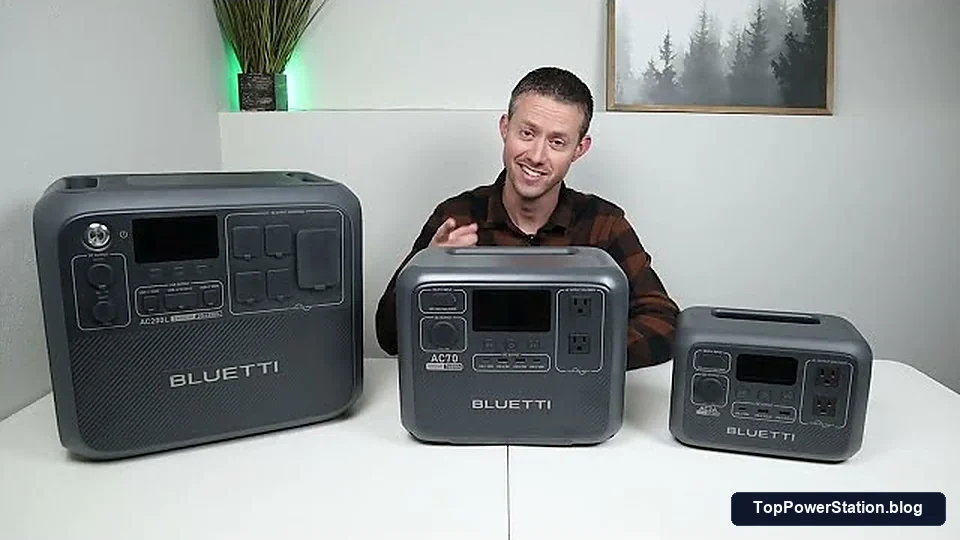
Manufacturers rate these internal battery cells using standard discharge cycles under controlled laboratory environments. A single cycle involves draining the unit entirely and recharging it back to full capacity.
Understanding this metric helps operators estimate daily wear based on actual energy consumption patterns. High-quality cells maintain strong performance metrics long after standard warranty periods officially expire.
- Olivine crystal structures provide exceptional thermal and structural stability.
- Standard testing uses full charge and discharge loops at room temperature.
- Capacity retention naturally degrades gradually rather than failing abruptly.
- Chemical composition prevents severe exothermic runaway under standard conditions.
Examining Nominal Voltage and Energy Density Characteristics
The nominal operating voltage of an individual lithium iron phosphate cell sits around 3.2 volts during standard discharge phases. This steady voltage profile ensures consistent power delivery to sensitive electronics.
Lower energy density compared to nickel manganese cobalt requires larger physical footprints for identical watt-hour capacities. However, this trade-off yields unmatched operational longevity and safety.
- Cell voltage remains exceptionally flat throughout the primary discharge curve.
- Increased physical size directly correlates with enhanced heat dissipation properties.
Real-World Discharge Depth and Calendar Aging Variables
Real-world operating conditions rarely match pristine laboratory test environments established by manufacturers. User habits, load fluctuations, and environmental stressors significantly influence overall longevity.
Discharging your portable generator to absolute zero every single day drastically reduces total achievable cycle counts. Limiting your daily depth of discharge preserves cathode integrity over extended periods.
Calendar aging occurs naturally regardless of whether the generator actively outputs electrical current. Chemical degradation slowly alters internal resistance even when the system sits completely idle.
- Frequent deep discharges accelerate structural fatigue in internal cathode materials.
- Calendar aging depends heavily on ambient storage temperatures and baseline voltage.
- Partial cycling yields exponentially higher cumulative energy throughput totals overall.
- Keeping state of charge moderate slows down baseline chemical aging rates.
Calculating Cumulative Energy Throughput and Operating Hours
Cumulative energy throughput measures the total kilowatt-hours delivered across the lifetime of the unit. Tracking this metric offers a clearer picture of wear than simple chronological time.
Heavy users who cycle their units daily consume energy throughput much faster than weekend campers. Balancing your power demands ensures optimal return on hardware investment.
- Kilowatt-hour throughput accurately reflects total internal cell wear.
- Daily cycling accelerates the approach to eighty percent nominal capacity.
Video Walkthrough: FAQ: How long does my power station last? Solo Female Van Life
Step-by-Step Battery Management System Calibration Procedures
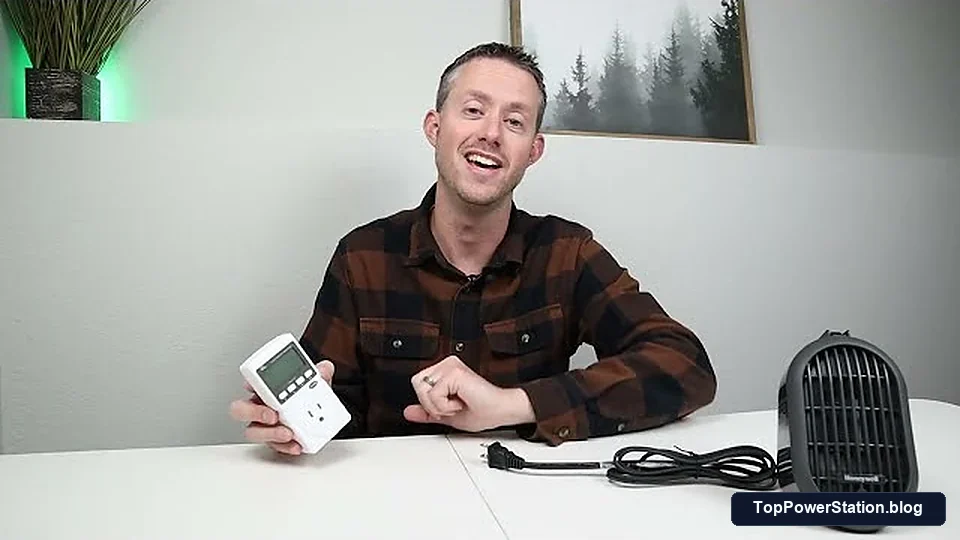
The integrated battery management system acts as the protective brain inside every best lifepo4 power station. It continuously monitors individual cell voltages, internal temperatures, and current flow parameters.
Periodic calibration ensures the digital display accurately reports remaining battery percentage to the user. Neglecting calibration routines can lead to premature shutdowns or inaccurate reserve estimates.
Perform a full calibration cycle every few months by draining the unit to critical shutdown levels. Afterward, recharge uninterrupted to one hundred percent without applying any external loads.
- Battery management systems protect cells from overcharge and deep discharge states.
- Regular calibration prevents digital readout discrepancies and unexpected power losses.
- Uninterrupted charging allows internal software to reset accurate state boundaries.
- Firmware updates provided by manufacturers often optimize internal protection algorithms.
Executing a Controlled Reset Sequence for Accurate State Readouts
Begin the reset sequence by powering down all connected alternating and direct current outputs. Disconnect all charging cables from the input ports before starting the procedure.
Allow the internal electronics to stabilize for ten minutes prior to initiating the low-voltage drain. Once fully discharged, connect your AC wall charger and leave it undisturbed.
- Ensure all connected devices and charging cords are fully unplugged first.
- Allow adequate rest time between discharge completion and recharging phases.
Thermal Management and Environmental Stress Mitigation
Temperature extremes represent the primary enemy of lithium iron phosphate battery longevity and health. Operating your generator outside recommended thermal windows accelerates permanent chemical degradation.
High ambient temperatures increase internal resistance, leading to excessive heat generation during fast charging phases. Conversely, sub-freezing conditions require active low-temperature protection to prevent metallic lithium plating.
Always operate your equipment in well-ventilated spaces shaded from direct sunlight during heavy usage. Good airflow prevents internal cooling fans from working overtime under stressful loads.
- Thermal stress permanently damages internal cell chemistry and reduces capacity.
- Freezing temperatures demand specialized low-temp charging cutoffs to prevent damage.
- Direct sunlight exposure creates localized hotspots that trigger thermal protection modes.
- Adequate clearance around cooling vents ensures efficient passive and active airflow.
Managing Charging Limitations in Sub-Freezing Conditions
Charging lithium batteries below freezing causes permanent structural damage via lithium plating. Modern power stations feature internal heating pads or sensors to block sub-zero charging.
Always allow cold generators to acclimate inside a warm room before connecting power adapters. Never attempt to force high-amperage solar charging in freezing outdoor environments.
- Sub-freezing charging causes irreversible internal short-circuit hazards.
- Allow units to warm up naturally before plugging in power supplies.
Practical Storage Protocols for Extended Downtime Periods
Proper storage practices are vital when maintaining your lifepo4 vs nmc power station setup across several consecutive months. Leaving a unit fully charged accelerates internal component aging rapidly.
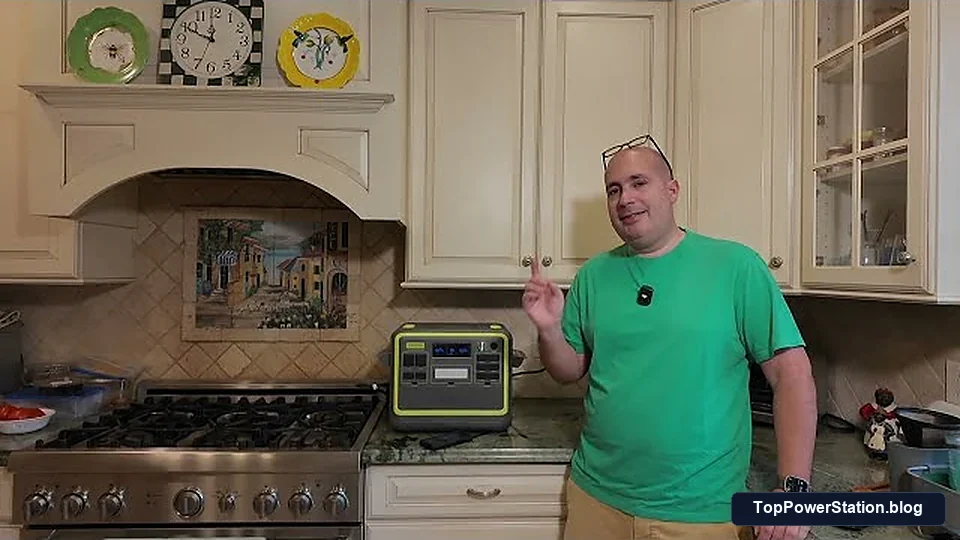
Store your device with a state of charge hovering right around fifty to sixty percent. This specific voltage range minimizes chemical stress on the cathode and anode layers.
Store the generator in a climate-controlled environment away from moisture, dust, and direct sunlight. Check the display every three months and top off the charge if necessary.
- Store units at fifty to sixty percent charge for optimal chemical preservation.
- Keep storage areas dry, temperature-stable, and free from corrosive airborne elements.
- Inspect stored generators quarterly to prevent deep self-discharge drop-offs.
- Disconnect all external accessories and switches to eliminate parasitic standby drains.
Preventing Parasitic Drain and Self-Discharge During Storage
Internal digital displays and Bluetooth modules draw small amounts of power during standby. This parasitic drain can completely empty a battery if left unattended for long durations.
Physically power down the master system switch rather than relying on soft standby modes. Review user manuals to locate secondary circuit breakers for complete electrical isolation.
- Standby indicator lights and wireless modules consume slow baseline currents.
- Master power switches offer complete isolation against unwanted self-discharge.
Identifying Component Failure and Degradation Signatures
Recognizing early warning signs of battery degradation helps prevent unexpected operational failures in the field. Swelling housings, unusual odors, or drastically reduced runtime indicate severe internal wear.
Monitor your charging speeds closely; failing cells often accept power much faster or slower than normal. Increased internal resistance generates noticeable heat around terminal connection points during use.
If your unit shuts down unpredictably under moderate loads, individual cell balancing has likely failed. Retired units must be recycled properly through authorized electronic waste processing facilities.
- Rapid capacity drop-offs signal the approaching end of the usable lifespan.
- Physical casing distortion or chemical smells require immediate retirement from service.
- Excessive heat buildup during normal charging points to internal resistance issues.
- Unpredictable voltage sags under light loads indicate damaged internal cell groups.
Diagnostic Checks for Internal Resistance and Voltage Sag
Perform simple diagnostic checks by applying a known appliance load while monitoring voltage drops. Severe voltage sag under modest loads points to advanced internal cell degradation.
Compare current runtime metrics against your original baseline records to quantify capacity loss. Professional load testers provide precise health percentages for advanced technical evaluations.
- Monitor digital voltage readouts while switching on heavy electrical appliances.
- Compare current performance logs against historical baseline operational data.
Preventive Maintenance Standards for Maximum Operational Lifespan
Implementing a strict preventive maintenance routine maximizes operational lifespan, especially when verified using our runtime wh calculator. Clean cooling vents regularly with compressed air to prevent dust buildup.
Inspect all external connection ports, cables, and terminal pins for signs of oxidation or wear. Corroded connections increase electrical resistance, generating localized heat during high-wattage outputs.
Keep firmware updated according to manufacturer guidelines to ensure optimal battery management system performance. Diligent physical upkeep guarantees dependable emergency backup power for years to come.
- Clear cooling vents of dust accumulation to maintain optimal thermal regulation.
- Inspect connection ports regularly for oxidation, dirt, and mechanical looseness.
- Apply manufacturer firmware updates to keep protection algorithms fully optimized.
- Store connection cables neatly without sharp bends or heavy crimping forces.
Cleaning Protocols and Terminal Inspection Best Practices
Use a dry microfiber cloth to wipe down exterior plastic housings and control panels. Avoid using harsh chemical solvents or abrasive cleaners that can damage protective coatings.
Inspect high-current Anderson or aviation plugs for pitting or carbon buildup regularly. Clean dirty contacts carefully using specialized electronic contact cleaner and non-conductive brushes.
- Wipe exterior housings gently with a dry, lint-free microfiber cloth.
- Use specialized electronic cleaners for oxidized or dirty port terminals.
Frequently Asked Questions
How many years will a typical LiFePO4 power station last?
A standard unit lasts ten to fifteen years under normal residential usage conditions. Regular maintenance and proper storage significantly extend this timeline.
Does keeping a power station plugged in all the time ruin the battery?
Modern battery management systems prevent overcharging by stopping current flow at one hundred percent. However, maintaining maximum voltage constantly increases chemical stress over time.
What happens when a LiFePO4 battery reaches its cycle limit?
The generator does not stop working instantly when it hits its rated cycle limit. Capacity gradually drops below eighty percent of its original factory rating.
Can I use my power station safely in freezing winter weather?
You can discharge power in sub-freezing temperatures if internal heaters are active. Never attempt to charge the unit without low-temperature protection engaged.
How should I store my portable generator during the winter months?
Charge or discharge the unit to fifty percent capacity before placing it in storage. Keep it in a dry, climate-controlled space and check it quarterly.