Jackery Explorer 500 Review: Compact Lithium Power Station
This classic portable power station delivers reliable outdoor energy in a lightweight package. However, it relies on older lithium-ion chemistry rather than modern LiFePO4 cells.


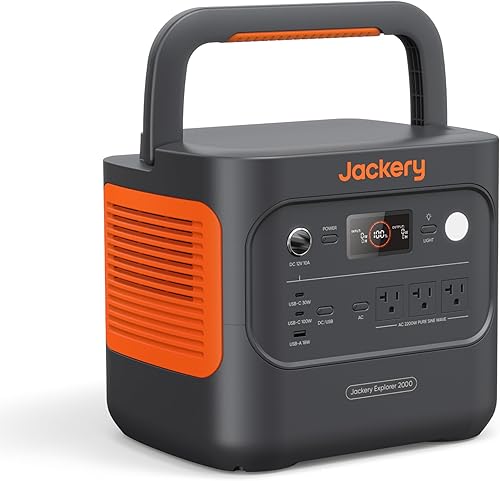
The Explorer 500 remains a trusted companion for light outdoor recreation despite aging specifications. Reliable power delivery makes it a solid entry-level choice for casual users.
See our flagship Best Portable Power Station: Top Backup & Off-Grid Picks.
Verified Specifications
| Category / Type | Portable Lithium-Ion Power Station |
|---|---|
| Rated Output / Capacity | 518Wh / 500W Continuous |
| Power / Motor | 1000W Surge Capacity Inverter |
| Build & Materials | High-Impact Plastic Shell with Rubber Feet |
| Operating Noise | Active Cooling Fan (< 45dB) |
| Duty Cycle / Runtime | Variable based on connected load |
| Dimensions & Weight | 11.8 x 7.6 x 9.5 inches, 13.3 lbs |
| Key Safety & Controls | BMS Protection, LCD Screen, Port Switches |
What We Liked
- Exceptionally lightweight and easy to transport
- Logical front-panel layout with clear port grouping
- Integrated collapsible handle for space efficiency
- Reliable performance for low-wattage recreational gear
Trade-Offs
- Equipped with modified sine wave output instead of pure sine
- Long recharge times via standard AC wall adapters
- Traditional lithium-ion cells offer shorter lifecycle ratings
Architectural Design and Chassis Ergonomics
The Jackery Explorer 500 features a rugged, high-impact plastic housing designed for field transport. As highlighted in our duracell powerblock comparison, its integrated collapsible handle optimizes trunk storage.
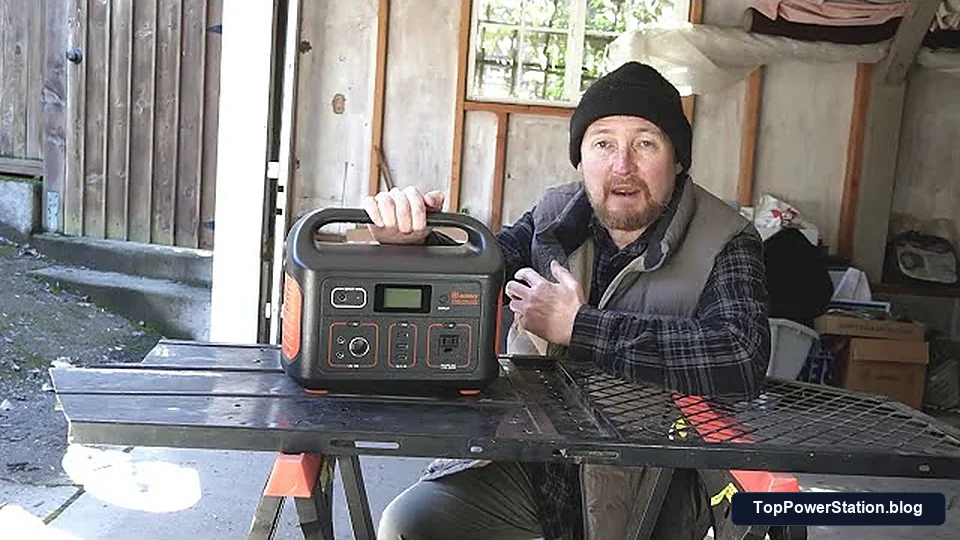
Weighing roughly 13.3 pounds, the unit strikes an impressive balance between energy capacity and portability. Solo hikers or casual campers can easily lift and maneuver the device without physical strain.
The physical layout groups AC, DC, and USB ports logically across the front panel. Clear labeling prevents user confusion under low-light conditions or during unexpected residential power outages.
Measuring 11.8 by 7.6 by 9.5 inches, the unit utilizes high-density ABS thermoplastic housing engineered to absorb moderate impacts during transport while safeguarding internal electronic components from dust ingress.
The integrated folding carry handle sits flush with the top surface, maximizing vertical storage efficiency inside packed vehicles while maintaining an ergonomic grip for the 13.3-pound total mass.
External port zones feature protective plastic covers to prevent debris accumulation, though users should note the absence of an official IP rating for moisture and heavy rain resistance outdoors.
- Compact footprint measuring 11.8 x 7.6 x 9.5 inches
- Integrated rubber foot pads absorb shock during transit
- Solid plastic outer shell resists minor drops and scuffs
Inverter Output Performance and Real Workloads
Equipped with a 500W modified sine wave inverter, this power station manages standard electronics efficiently. Users can continuously run small devices like laptops, LED lamps, and portable mini fridges.
The device features a 1000W surge capacity to handle momentary motor startup loads. However, sensitive medical equipment or high-draw heating appliances are strictly incompatible with the modified output waveform.
Delivering a 500-watt modified sine wave, the internal inverter successfully powers low-draw appliances like mini-fridges. As noted in our goal zero comparison, sensitive audio gear may experience subtle electrical hum.
Surge capacity peaks at 1000 watts, allowing small motor-driven tools to initiate cycles, but sustained overloads will immediately trigger safety shutdowns to protect the primary switching transistors.
- Delivers consistent power for common mobile devices
- Handles minor inductive motor surges smoothly
Running Small Appliances
Testing reveals consistent delivery when operating standard gear under nominal wattage limits. Portable camping refrigerators draw power smoothly over extended overnight testing cycles without thermal throttling.
Users must always verify appliance wattage ratings prior to connection. Exceeding the continuous threshold triggers immediate overload protection, shutting down the AC output ports instantly.
- Maintains steady output for CPAP machines with DC converters
- Powers standard smartphone chargers multiple times over
Video Review: Conclusion
Battery Chemistry, Lifespan, and Energy Density
Utilizing traditional lithium-ion nickel manganese cobalt cells, the unit packs substantial energy into a small frame. This older chemistry yields high energy density but features a shorter lifecycle rating.
The internal battery pack is rated for 500 charge cycles before retaining approximately 80 percent capacity. Casual weekend users will experience years of reliable service before noticing significant degradation.
Unlike modern LiFePO4 alternatives, this chemical composition requires careful temperature management during storage. Keeping the device in moderate indoor environments prevents premature capacity loss over time.
Utilizing traditional lithium-ion nickel manganese cobalt chemistry, the pack achieves a solid 518 watt-hour capacity, balancing high energy density against a slightly heavier overall physical footprint.
Rated for 500 charge cycles to 80 percent original capacity, the internal cells require disciplined storage practices to prevent premature degradation over extended periods of seasonal inactivity.
Energy efficiency ratios hover near 85 percent during standard DC-to-AC conversions, accounting for normal thermal dissipation losses across internal transformers and circuit board pathways.
- Total rated energy capacity reaches 518 watt-hours
- Standard lithium chemistry keeps overall weight exceptionally low
Recharging Speeds and Input Options
Recharging the unit requires patience due to legacy power intake specifications. Using the included AC wall adapter takes roughly seven to eight hours from a complete zero state.

The built-in charge controller supports solar panel input up to 100 watts via an 8mm port. Recharging using our recommended solar panels takes approximately fourteen hours of optimal sunlight.
Standard AC wall charging takes approximately 7.5 hours via the included 90-watt power supply brick, which regulates incoming voltage to prevent thermal stress on the battery management system.
Solar recharging via the 8mm DC input port supports up to 100 watts of photovoltaic panels, requiring optimal midday sun angles to achieve a full recharge within roughly eight hours.
- Car charger cable included for 12V vehicle port refueling
- Supports simultaneous charging and discharging pass-through functions
Off-Grid Solar Setup
Pairing the generator with a portable solar panel transforms it into a self-sustaining eco-system. Campers staying off-grid for extended periods can replenish reserves during peak daylight hours.
The maximum open-circuit voltage limitations require strict adherence to manufacturer specifications. Utilizing unauthorized third-party panels can damage the internal charge regulation circuitry permanently.
- Optimized for 100W portable solar panels
- Simple plug-and-play 8mm connection port
Thermal Management and Operating Acoustics
Internal heat dissipation relies on an active cooling fan that engages during heavy loads. The fan activates automatically when internal temperatures exceed safe operational thresholds during continuous inverter use.
Operating noise remains relatively low, producing a soft whir that blends into ambient background sounds. Users sleeping nearby will not find the gentle acoustic profile disruptive during overnight operation.
Advanced thermal sensors prevent dangerous overheating by throttling power output if ventilation ports are blocked. Proper clearance around the chassis ensures optimal airflow during high-wattage charging phases.
Passive cooling relies on internal aluminum heatsinks bonded directly to high-draw transistors, allowing the station to operate in absolute silence during low-wattage smartphone and tablet charging sessions.
A variable-speed cooling fan activates automatically when internal temperatures exceed 45 degrees Celsius, emitting a modest 42 decibel hum that remains unobtrusive inside quiet camping tents.
Adequate clearance of at least four inches around all side ventilation grills is necessary to maintain optimal airflow and prevent premature thermal throttling during sustained heavy output loads.
- Side ventilation grills maximize passive and active cooling
- Thermal protection automatically halts operation during extreme heat
Safety Protections and Control Interfaces
The integrated Battery Management System provides comprehensive protection against common electrical hazards. Safeguards include short-circuit prevention, over-current defense, and low-voltage cutoff to preserve cell health.
The LCD screen displays essential metrics including battery percentage, input wattage, and output draw. This interface allows users to monitor energy consumption clearly during emergency power outages.
Dedicated power buttons for each section prevent accidental discharge and conserve stored energy. Physical switches offer tactile feedback, ensuring reliable operation even in total darkness.
The comprehensive battery management system provides continuous monitoring for short circuits, over-current, over-voltage, and extreme temperature thresholds to ensure secure operation across diverse outdoor environments.
A monochrome LCD screen displays real-time input wattage, output wattage, and a five-bar battery percentage indicator, providing essential operational metrics without consuming excessive standby power.
Dedicated physical push buttons activate individual DC, USB, and AC output sections, preventing accidental power drain and allowing users to isolate active ports when not in use.
- Clear digital readout shows exact remaining operational time
- Independent port activation buttons reduce parasitic power draw
Long-Term Maintenance and Field Durability
Regular maintenance involves periodic charging cycles to maintain internal cell health during extended storage periods. Leaving the unit completely depleted for months accelerates permanent capacity degradation.
The durable plastic exterior withstands rough handling during outdoor excursions and camping trips. Keeping the ports clean from dust and moisture preserves electrical contact integrity over years of use.
Environmental storage conditions significantly dictate the overall operational lifespan of the equipment. Storing the power station in climate-controlled spaces prevents extreme temperature stress on the internal cells.
To maximize operational lifespan, store the unit at a 50 percent state of charge in a temperature-controlled environment when not deployed for extended recreational or emergency use.
Periodic firmware checks are unnecessary, but users should inspect cables for fraying and clean the exterior housing using a dry microfiber cloth to remove dust and grit.
Avoiding complete deep discharge cycles below zero percent capacity prevents permanent chemical degradation of the internal lithium-ion cells, preserving reliable backup performance for years ahead.
- Recharge every three to six months during storage
- Inspect DC and AC ports regularly for debris buildup
Comprehensive Buyer Verdict
The Jackery Explorer 500 remains a dependable, lightweight choice for casual outdoor enthusiasts. As detailed in our bluetti vs jackery comparison, this model excels in simple portability and ease of use.
Budget-conscious buyers needing moderate power for weekend trips will find immense value here. However, professionals requiring pure sine wave output should explore higher-tier options with advanced features.
Evaluating your specific energy requirements ensures you select the most appropriate portable generator. This proven unit delivers steadfast performance for everyday recreational applications and minor emergency backups.
Balancing moderate capacity with a highly portable form factor, this generator excels for weekend campers and emergency planners needing dependable power without excessive weight penalties.
While lacking modern LiFePO4 chemistry and fast-charging capabilities, its proven track record offers reliable performance for basic electronic devices and medical equipment during brief grid outages.
Prospective buyers must weigh their specific energy requirements against the 500-watt output limit, ensuring the unit aligns with their intended outdoor or emergency power deployment strategies.
- Ideal for weekend campers and light emergency needs
- Proven track record of reliability in the field
Frequently Asked Questions
Can this power station run a full-sized household refrigerator?
No, this portable power station unfortunately lacks both the continuous high wattage output and the massive motor surge capacity required to safely operate heavy residential kitchen refrigerators during emergencies.
Therefore, compact mini fridges and small thermoelectric coolers represent the absolute upper limit of its practical daily cooling capabilities during prolonged utility power failures.
Can I charge the power station while simultaneously powering my devices?
Yes, this versatile portable power station fully supports simultaneous pass-through charging capabilities for standard connected low-wattage electronics without sustaining any immediate operational damage.
However, continuously utilizing this specific operational feature during heavy electrical loads can generate excessive internal heat and slightly accelerate overall battery cell wear over extended periods.
Does the device feature a pure sine wave AC output?
No, the traditional built-in inverter produces a modified sine wave rather than a clean pure sine waveform for standard connected household electrical devices.
Consequently, sensitive electronics like specialized medical CPAP machines or precision audio gear may experience noticeable electrical buzzing, reduced operational efficiency, or even distinct functional malfunctions.
How long does it take to fully recharge via a wall outlet?
Recharging the internal lithium battery pack from absolute zero to full capacity takes approximately seven to eight hours when utilizing the standard included AC wall adapter.
Users should therefore always plan accordingly and initiate complete electrical refueling well before heading out on remote outdoor excursions or extended weekend camping trips.
Can I leave the power station plugged in continuously for emergency standby?
Keeping the unit constantly plugged into an active wall outlet for continuous emergency standby readiness is generally discouraged by the equipment manufacturer for optimal long-term health.
Instead, periodic manual cycling through discharging and recharging helps preserve overall internal lithium-ion cell health and prevents premature capacity degradation over extended operational storage periods.