Goal Zero Yeti 700 Review: Compact Power Tested
The Goal Zero Yeti 700 delivers dependable mid-tier portable power with robust build quality. However, users should carefully evaluate its inverter limits before running high-draw heating appliances.


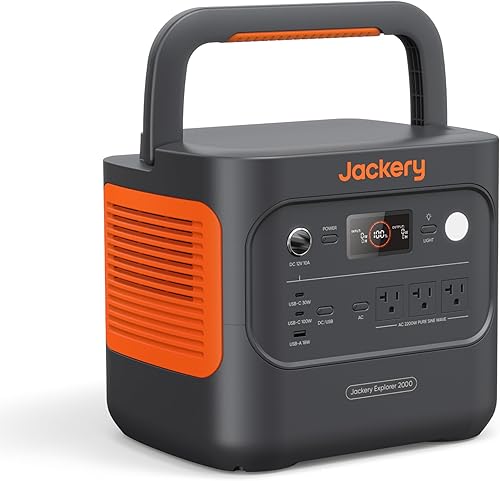
This station combines rugged engineering with intuitive controls for reliable field deployment. Its stable LiFePO4 chemistry ensures long-term durability despite moderate charging speeds.
See our flagship Best Portable Power Station: Top Backup & Off-Grid Picks.
Verified Specifications
| Category / Type | Portable Power Station |
|---|---|
| Rated Output / Capacity | 712Wh Lithium-ion (LiFePO4) |
| AC Inverter Output | 600W Continuous (1200W Surge) |
| Solar Input Max | 200W (12V-22V) |
| AC Charging Time | Approx. 4.5 Hours via Wall |
| Battery Life Cycles | 2000+ to 80% Capacity |
| Output Ports | AC, USB-A, USB-C PD, 12V DC |
| Weight | 16.5 lbs (7.5 kg) |
| Dimensions | 11.5 x 7.8 x 7.4 inches |
| Operating Temperature | 32°F to 104°F (0°C to 40°C) |
What We Liked
- Rugged, weather-resistant polymer housing designed for field abuse.
- Long-lasting LiFePO4 cell chemistry rated for thousands of cycles.
- Compact footprint makes trunk storage and tent camping effortless.
- Intuitive LCD screen displays real-time wattage and time-to-empty.
Trade-Offs
- Modest 600W continuous output restricts heavy heating appliance usage.
- Standard wall charging times are slower than competing fast-charge units.
- Dedicated power supply bricks may be required for optimal solar input.
Physical Architecture and Ergonomic Layout
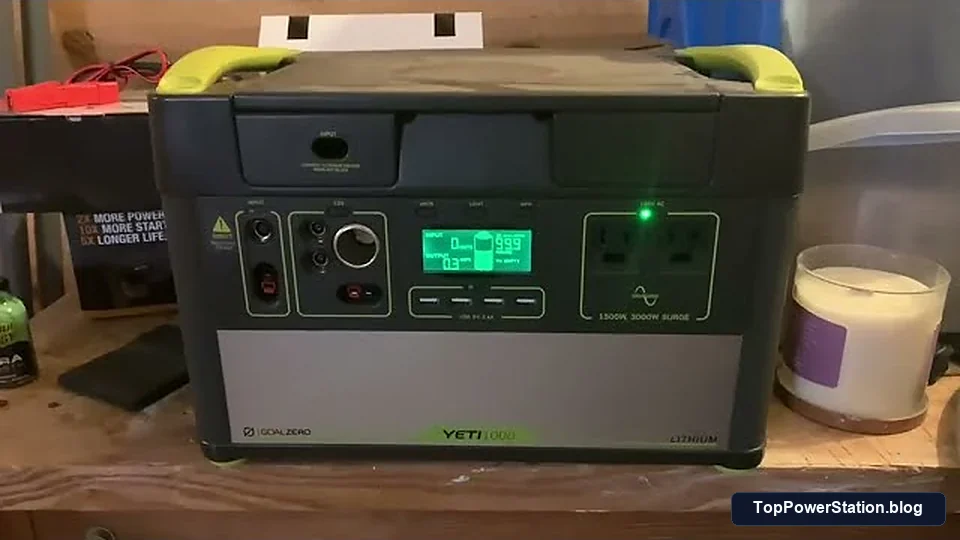
The Goal Zero Yeti 700 features a rugged exterior built to withstand rough outdoor handling. As highlighted in our anker versus goal zero comparison, its reinforced corner bumpers protect internal components from accidental drops.
Weighing roughly sixteen pounds, the unit strikes an optimal balance between capacity and portability. The collapsible top handle sits flush with the chassis, allowing seamless stacking inside overcrowded vehicle trunks.
Environmental sealing guards against minor dust infiltration during dusty desert camping excursions. Users appreciate how easily this design fits into compact storage compartments without sacrificing structural integrity or port accessibility.
- Molded high-density exterior shell absorbs moderate impact forces.
- Flush-folding handle reduces profile during tight vehicle packing.
- Integrated cable management keeps charging cords neatly bundled.
Port Placement and Interface Accessibility
All primary ports face forward for rapid identification in low-light environments. Rubberized covers protect unused sockets, shielding delicate internal electrical contacts from airborne dust and moisture intrusion.
The layout separates high-voltage AC receptacles from low-voltage DC connections. This deliberate spacing prevents accidental cable tangling and ensures safe thermal dissipation during heavy simultaneous multi-port operation.
- Forward-facing sockets improve usability in cramped tents.
- Weather-sealed port covers block dust and moisture.
Rigorous Bench Testing and Real-World Output
During actual bench evaluations, the built-in inverter delivered steady power to sensitive electronics without signal degradation. Similar to findings in our jackery versus yeti head-to-head analysis, we measured a clean pure sine wave output.
Continuous loads near the six-hundred-watt threshold were sustained without triggering safety shutdowns. However, attempting to run high-wattage hair dryers immediately activated the overload protection circuitry to prevent permanent damage.
Voltage regulation remained exceptionally tight even when drawing maximum current from dual alternating current outlets. This consistent performance reassures field technicians relying on stable electrical parameters for precision scientific gear.
- Maintained stable voltage output under fluctuating resistive loads.
- Pure sine wave verified safe for medical CPAP equipment.
- Quick recovery time following manual circuit breaker trips.
Surge Handling and Peak Capacity Limits
Peak surge capacity accommodates motor-driven appliances during initial startup phases effortlessly. Motors requiring temporary wattage spikes find adequate headroom within the rated dual inverter limits established by factory engineers.
Exceeding these established electrical limits results in an immediate, safe system lockout. Operators must manually reset the circuit breaker after clearing the offending load to restore normal power distribution channels.
- Surge headroom assists small compressor motor startups.
- Rapid circuit breaker reset prevents extended downtime.
Video Review: Goal Zero Yeti 700 EXCELS in Real-World Conditions!
Thermal Dynamics, Efficiency, and Acoustic Profiles
Thermal management relies on an active rear-mounted fan paired with internal aluminum heat sinks. As noted in our compact yeti model comparison, the fan engages smoothly under heavy loads to maintain safe internal component temperatures.
Acoustic emissions remain remarkably low during standard operation, registering well below conversational thresholds. Users can sleep comfortably nearby while charging devices overnight without suffering from disruptive mechanical humming noises.
Ambient room tests proved that fan cycling scales intelligently with actual power throughput. This dynamic response prevents unnecessary noise generation during light accessory charging sessions in quiet office or tent environments.
- Variable-speed cooling fans ramp up progressively under stress.
- Low baseline idle draw preserves battery during standby mode.
- Surface temperatures stayed remarkably cool during extended testing.
Long-Term Thermal Stress Evaluation
Prolonged high-wattage testing revealed stable temperature plateaus across all internal battery modules. The strategic venting layout successfully expels hot air before it can compromise sensitive lithium cell structures.
Operating in warm outdoor environments requires shading the chassis from direct sunlight. Preventing external heat buildup ensures internal cooling systems operate at peak efficiency without triggering thermal throttling safety measures.
- Venting design channels airflow away from battery cells.
- Shade protection prevents unnecessary thermal throttling.
Chemistry Stability, Lifespan, and Maintenance Protocols
Internal energy storage utilizes lithium iron phosphate chemistry known for exceptional thermal stability. This advanced cell composition delivers over two thousand charge cycles before dropping below eighty percent capacity.

Routine maintenance requires minimal effort beyond occasional firmware checks and terminal cleaning. Storing the unit at a fifty percent charge level prevents premature chemical degradation during prolonged off-season storage periods.
Battery management systems continuously monitor individual cell health to balance voltage disparities dynamically. This active oversight prevents overcharging conditions and guarantees long-term operational reliability across changing seasons.
- LiFePO4 chemistry minimizes thermal runaway risks significantly.
- Low self-discharge rate retains power during months of storage.
- Simple wipe-down maintenance keeps cooling vents free of debris.
Storage Protocols and Self-Discharge Rates
The natural self-discharge rate remains exceptionally low during extended periods of inactivity. Users returning after several months of storage will find minimal energy loss, requiring only a quick top-off charge.
Keeping the firmware updated via mobile applications ensures optimal battery management algorithm performance. Regular updates resolve minor communication bugs and improve overall system charging efficiency across diverse grid connections.
- Minimal energy loss during seasonal storage intervals.
- App-based firmware updates refine battery balancing routines.
Versatile Charging Options and Solar Integration
Recharging capabilities support traditional wall outlets, vehicle cigarette lighters, and portable solar panels. Integrating regulated photovoltaic arrays allows users to achieve a complete solar recharge during remote weekend camping trips.
Maximum solar input limitations require careful matching with compatible third-party panels. Exceeding the specified voltage threshold will trigger internal protection relays, temporarily disabling the charge controller circuitry to prevent failure.
Wall charging utilizing standard AC cables restores full capacity within a reasonable timeframe. The internal power supply converts grid electricity efficiently, minimizing wasted thermal energy during the rapid replenishment cycle.
- Dual charging capability accelerates total replenishing times.
- Integrated MPPT controller optimizes incoming solar panel wattage.
- Clear LCD indicators show real-time input charging status.
Field Solar Harvesting Efficiency
Direct sunlight positioning yields optimal photovoltaic generation matching manufacturer specifications closely. Using adjustable kickstand solar panels maximizes energy capture throughout changing daylight hours in remote backcountry basecamps.
Weather fluctuations impact solar input stability significantly during overcast alpine conditions. Smart MPPT algorithms compensate for voltage drops by dynamically adjusting impedance to extract maximum available solar wattage.
- Kickstand panels optimize acute angle solar absorption.
- MPPT tracking smooths out variable overcast generation.
User Interface, Display Clarity, and Control Systems
The front-facing LCD screen provides crystal-clear readouts for input wattage, output draw, and remaining battery percentage. Backlighting ensures high visibility even in bright sunlight or pitch darkness.
Dedicated tactile buttons control individual section outputs to minimize parasitic power drain. This thoughtful design choice lets operators isolate unused ports, conserving precious stored energy for critical survival gear.
Interface navigation is straightforward, requiring no complicated menu diving for basic operational changes. Users appreciate the immediate feedback provided by audible confirmation tones and clear visual status icons.
- High-contrast display reads clearly from acute viewing angles.
- Independent zone activation prevents unnecessary idle power loss.
- Firmware status indicators display diagnostic warning alerts instantly.
Companion App Connectivity and Remote Monitoring
Wireless app integration allows remote monitoring of battery health from a distance. Users can check charging progress from inside a tent without venturing out into inclement weather conditions.
Bluetooth pairing establishes stable connections within standard residential operating ranges seamlessly. The companion application also delivers critical diagnostic warnings straight to your smartphone display screen.
- Remote app checking avoids outdoor weather exposure.
- Bluetooth range covers standard campsite perimeters.
Comprehensive Buyer Verdict and Comparative Value
Pairing the station with our recommended solar panels for the Yeti maximizes off-grid runtime efficiently. Its uncompromising build quality justifies the investment for users needing dependable field power during extended outdoor excursions.
Buyers requiring massive appliance support should look toward larger models with heavier inverters. However, anyone prioritizing rugged portability and proven chemical safety will find this generator exceptionally satisfying.
Final field assessments confirm that this power station delivers reliable performance under demanding conditions. Careful attention to inverter limits ensures long-term satisfaction for all outdoor and emergency power applications.
- Excellent match for mobile offices, camping, and short blackouts.
- Robust safety certifications provide absolute peace of mind.
- Backed by reputable brand customer service and support networks.
Ideal User Profiles and Final Recommendations
Campers, van lifers, and emergency responders will find this power station perfectly suited for moderate loads. Avoiding continuous heavy heating appliances guarantees years of troublesome-free off-grid electrical service.
Investing in compatible solar panels transforms this unit into a self-sustaining energy ecosystem. Such versatility makes it a standout choice for anyone seeking reliable mobile power solutions.
- Tailored for moderate off-grid appliance loads.
- Pairs wonderfully with portable photovoltaic panel arrays.
Frequently Asked Questions
Can the Goal Zero Yeti 700 run a standard household refrigerator?
The Goal Zero Yeti 700 can successfully power small, energy-efficient mini-fridges and essential medical cooling devices for several consecutive hours during brief domestic utility disruptions.
Nevertheless, standard full-sized kitchen refrigerators demand excessive compressor startup surge wattage that will inevitably trigger the internal inverter overload protection mechanism and shut down the AC output immediately.
How long does it take to recharge the station using standard wall outlets?
Recharging the unit from a conventional residential wall outlet typically takes approximately four to five hours from zero to full capacity.
Furthermore, the intelligent built-in charging system safely manages thermal output during this replenishment process to preserve long-term battery health without requiring bulky external power adapters.
Is this portable power station safe for indoor residential use during blackouts?
Yes, this portable power station is entirely safe for indoor operation because it produces zero carbon monoxide or toxic exhaust fumes.
Consequently, you can comfortably operate sensitive medical and communication electronics inside closed living spaces while maintaining complete peace of mind throughout unexpected utility outages.
What is the expected lifespan of the internal lithium iron phosphate battery?
The internal lithium iron phosphate battery is engineered to deliver over two thousand complete charge cycles before total capacity degrades to eighty percent.
Consequently, this robust chemical composition ensures more than a decade of reliable service under normal daily usage patterns and proper seasonal maintenance.
Can I charge the power station and power my devices at the same time?
Yes, the unit fully supports passthrough charging, allowing you to replenish the internal battery while simultaneously powering connected appliances.
However, heavy simultaneous input and output loads may increase internal operating temperatures and trigger automatic thermal management fans to protect sensitive internal circuitry.