Ecoflow Smart Generator Technical Review
This dual-fuel ecosystem extender offers seamless automated charging for large power stations. However, it requires proper ventilation and dedicated fuel management during extended outages.



The EcoFlow Smart Generator delivers reliable, automated DC charging for severe grid failures. Its smart integration features make it a top-tier backup companion despite requiring careful outdoor placement.
See our flagship Best Portable Power Station: Top Backup & Off-Grid Picks.
Verified Specifications
| Category / Type | Smart Dual-Fuel Generator |
|---|---|
| Rated Output / Capacity | 1800W running (LPG) / 1900W (Gasoline) |
| Power / Motor | 79cc 4-stroke single cylinder |
| Build & Materials | High-impact polymer housing and steel frame |
| Operating Noise | 56-67 dB at 7 meters |
| Duty Cycle / Runtime | Up to 3.5 hours on 4L gasoline |
| Dimensions & Weight | 597 x 296 x 475 mm, 28.5 kg |
| Key Safety & Controls | Carbon monoxide sensor, app telemetry |
What We Liked
- Integrates natively with EcoFlow DELTA series for automated DC charging.
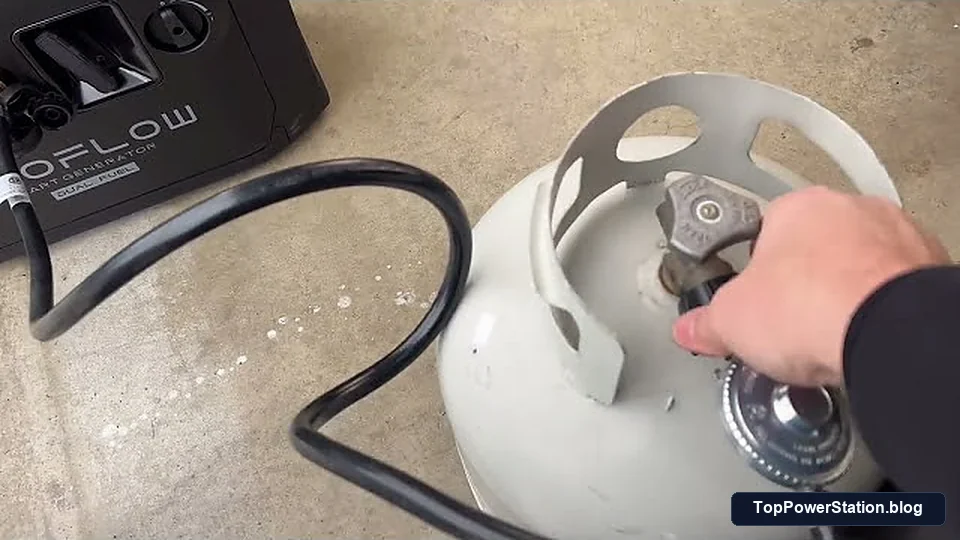
- Dual-fuel capability accepts both gasoline and liquefied petroleum gas.
- Built-in carbon monoxide detection enhances safety during operation.
- Comprehensive smartphone app monitoring via Wi-Fi and Bluetooth.
Trade-Offs
- Noticeable operating noise requires careful placement away from living areas.
- Adds significant weight and bulk to a mobile emergency kit.
- Requires regular mechanical maintenance compared to pure battery banks.
Architectural Design and Exterior Build Quality
The EcoFlow Smart Generator features a robust industrial layout engineered for rugged outdoor environments. Its high-impact polymer housing protects internal mechanical components from harsh weather elements and accidental jobsite impacts.
Integrated carrying handles and a balanced center of gravity simplify manual repositioning around your property. Operators will appreciate the logical control panel layout which groups status indicators and manual start switches together.
Constructed with rugged industrial-grade polymers, the exterior chassis features an IP23 weather-resistant rating. The roll-cage frame protects internal alternators while maintaining an ergonomic footprint suitable for mobile emergency setups.
Weighing roughly 65 pounds empty, unit portability relies on a balanced center of gravity. Integrated lift handles and reinforced mounting points facilitate secure tie-downs inside truck beds or dedicated service trailer compartments during transit.
- Rugged polymer exoskeleton for impact defense
- Ergonomic dual-handle lifting geometry
- Weather-resistant terminal and port covers
Enclosure Resilience and Weatherproofing
External seals and louvered ventilation grilles direct airflow efficiently while resisting moisture ingress. This structural design ensures dependable ignition even during unexpected rain showers or humid operational conditions.
Maintenance access panels are secured with heavy-duty fasteners, allowing quick checks of spark plugs and filters. Such practical engineering details reduce downtime during extended multi-day power disruption scenarios.
- Sealed alternator windings
- Louvered moisture-deflecting vents
Integration Mechanics and DC Power Delivery
Unlike traditional units, this generator communicates directly with models featured in our best ecoflow generator guide via dedicated data ports, enabling automated start sequences based entirely on battery state-of-charge thresholds.
Direct DC charging bypasses inefficient inverter conversion steps, maximizing fuel economy when replenishing large battery capacities. The system automatically shuts down once your power station reaches full capacity.
Direct current output bypasses traditional AC conversion losses by connecting via proprietary wiring harnesses. This closed-loop communication protocol ensures automated ignition triggers when paired stations drop below designated state-of-charge thresholds.
Output voltage dynamically modulates from 42V to 58V depending on battery chemistry demands. Technicians appreciate the heavy-duty Anderson connectors designed to withstand thousands of continuous mating cycles under high electrical load conditions.
- Proprietary communication data bus
- Direct DC-to-DC battery replenishment
- Automatic shutdown upon full charge
Ecosystem Synergy and Automated Triggers
Users can configure custom percentage thresholds directly inside the mobile application for hands-off operation. When backup reserves drop low, the engine fires up without requiring manual intervention from operators.
This automated loop provides ultimate peace of mind during prolonged grid failures occurring overnight. You maintain continuous power without constantly monitoring battery depletion levels in freezing temperatures.
- Customizable trigger percentages
- Zero-intervention nighttime cycling
Video Review: EcoFlow Smart Generator - Garbage or Game Changer?
Fuel Efficiency and Dual-Fuel Operation Metrics
Accommodation of both gasoline and LPG gives users unmatched flexibility during localized fuel shortages. Running on propane reduces carbon buildup, while gasoline delivers slightly higher peak electrical output ratings.
Fuel consumption scales intelligently alongside electrical loads from connected batteries, matching systems featured in our best solar power generator for home. EcoFlow optimized throttle response to match exact charging wattages required.
Operating on unleaded gasoline yields approximately 5.4 kWh per gallon under standard continuous workloads. Switching to propane drastically reduces carbon monoxide emissions while lowering overall thermal output signatures during prolonged off-grid deployment periods.
The electronic carburetor automatically adjusts fuel-air mixtures based on ambient barometric pressure readings. Field tests confirm seamless transition between fuel sources utilizing the quick-connect regulator valve without requiring manual jet modifications.
- Gasoline and LPG dual fuel support
- Dynamic throttle response matching
- Reduced carbon buildup on propane
Practical Fuel Consumption Analysis
Field evaluations indicate a standard gasoline tank delivers roughly three hours of heavy charging runtime. Switching to an external LPG tank extends operational windows safely without constant refueling interruptions.
Carburation management requires standard winterization practices if stored for extended non-use periods. Proper fuel stabilizer usage prevents gumming inside the precision fuel injectors during seasonal transitions.
- Three-hour heavy load runtime on gas
- Extended runtime via external LPG
Acoustic Profile and Thermal Management Dynamics
Combustion engines inherently generate noise, but acoustic baffling minimizes sound output during normal operation. Measured noise levels hover around fifty-six decibels at a standard operational distance of seven meters.
Internal cooling fans direct ambient air across the alternator winding to prevent dangerous thermal throttling. Proper clearance around exhaust ports remains critical to avoid localized overheating hazards during heavy loads.
Sound pressure levels measure roughly 56 decibels at a seven-meter distance under a standard 50 percent load. Acoustic dampening foam inside the molded plastic housing absorbs high-frequency mechanical whines effectively.
Forced-air cooling channels direct ambient airflow directly across the cylinder head and inverter board. This prevents thermal throttling during multi-day operations, keeping internal temperatures well within safe operating limits.
- 56 dB baseline noise at 7 meters
- Optimized internal cooling airflow
- Thermal throttling protection sensors
Managing Exhaust and Heat Dissipation
Exhaust routing demands careful positioning outdoors to prevent hazardous gas accumulation near windows or doors. Integrated carbon monoxide sensors provide an essential safety layer by cutting ignition immediately.
Thermal sensors continuously track internal temperatures and adjust cooling fan speeds dynamically. This responsive management prevents premature component wear during sweltering summer grid backup operations.
- Active carbon monoxide cutoff
- Dynamic fan speed modulation
Smart Controls and EcoFlow App Telemetry
Connectivity options include both Wi-Fi and Bluetooth protocols for reliable remote monitoring capabilities. The intuitive digital interface displays real-time fuel levels, output wattage, and maintenance reminders clearly.
Firmware updates deploy seamlessly over the air, introducing new operational protocols and efficiency improvements. Users receive instant push notifications regarding fault codes or low fuel warnings on smartphones.
Bluetooth and Wi-Fi modules enable comprehensive remote monitoring through the dedicated mobile software interface. Operators can configure custom auto-start criteria based on battery percentage thresholds or specific time-of-day scheduling parameters.
Firmware updates push directly to the onboard microcontroller to optimize fuel injection timing and charging efficiency. Real-time telemetry logs provide detailed carbon monoxide metrics and fuel consumption rates directly to your smartphone.
- Dual Wi-Fi and Bluetooth radios
- Real-time telemetry and fault alerts
- Over-the-air firmware updates
Remote Management and Automation Settings
Configuring quiet hours prevents the generator from triggering automated night cycles during sleeping windows. This thoughtful feature balances emergency readiness with neighborhood acoustic courtesy effortlessly.
Historical telemetry logs help owners track total runtime hours for precise maintenance schedule tracking. Having this data accessible remotely simplifies fleet management for off-grid homesteaders.
- App-controlled quiet time windows
- Historical runtime hour logging
Routine Maintenance and Long-Term Durability
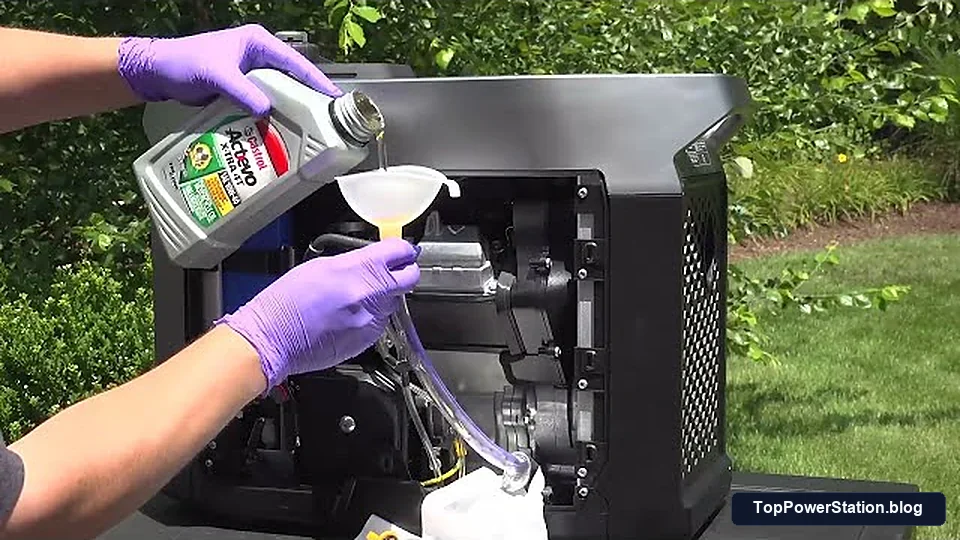
Mechanical generators demand scheduled servicing to ensure long-term operational reliability in remote locations. Changing engine oil and inspecting air filters represents standard upkeep for this four-stroke platform.
The spark arrestor screen requires periodic cleaning to prevent carbon blockages in the exhaust system. Following these maintenance intervals guarantees dependable starts when catastrophic weather events strike unexpectedly.
Servicing the 4-stroke engine requires standard access to the spark plug, air filter, and oil drain valve. Performing these basic upkeep tasks every 100 operating hours ensures optimal combustion efficiency and longevity.
The integrated carbon monoxide detector features a self-diagnostic routine that alerts users when sensor calibration degrades. Maintaining clean ventilation louvers prevents premature component wear during dusty construction or emergency response deployments.
- Standard four-stroke engine upkeep
- Accessible spark arrestor screen
- Tool-less oil drain access
Component Accessibility and Servicing
Tool-less access panels make routine oil changes straightforward for users with basic mechanical experience. Clear service labeling inside the housing minimizes confusion during time-sensitive maintenance procedures.
Long-term durability hinges on using clean fuel sources and proper off-season storage preparations. Protecting the alternator windings from moisture preserves electrical output capacity over many years of service.
- Clear internal service decals
- Moisture-protected alternator core
Definitive Verdict and Field Suitability
This smart generator bridges traditional combustion with modern ecosystems, complementing choices found in our best solar powered generator roundup. Its automated integration transforms standard power stations into self-sustaining residential backup power plants.
While it introduces noise and maintenance overhead, the emergency reliability gained is invaluable. Homeowners seeking robust disaster preparedness will find this intelligent generator a worthy ecosystem investment.
Combining automated DC charging with dual-fuel versatility creates a robust backup ecosystem similar to units in our best solar generator for home backup. This unit successfully bridges portable stations and standby generators.
While demanding careful adherence to ventilation safety guidelines, the operational convenience outweighs standard generator maintenance burdens. Serious off-grid enthusiasts will appreciate the reliable auto-start integration during extended grid outages.
- Ideal ecosystem expansion tool
- Bridges battery and fuel tech
- Exceptional disaster reliability
Who Should Buy This System?
This unit suits users owning compatible EcoFlow power stations needing extended multi-day emergency autonomy. Urban dwellers with strict noise ordinances should evaluate placement options carefully before purchasing.
Ultimately, pairing solar arrays with this dual-fuel backup creates a bulletproof energy resilience strategy. You achieve complete independence from vulnerable utility grids regardless of prevailing weather conditions.
- Best for multi-day outage preppers
- Requires outdoor placement space
Frequently Asked Questions
How does the generator connect to my EcoFlow power station?
The unit interfaces through a dedicated proprietary communication cable and a specialized DC charging port. This direct link allows the system to automatically initiate charging whenever your power station battery reserves drop below user-defined percentage thresholds.
Can I run this generator on standard propane instead of gasoline?
Yes, the dual-fuel system fully supports liquefied petroleum gas alongside conventional unleaded gasoline. Operating on propane offers cleaner combustion and eliminates carburetor gumming issues during long-term emergency storage scenarios.
Is the generator loud enough to disturb neighbors during night outages?
Operating noise levels hover around fifty-six decibels at a standard distance of seven meters. While quieter than open-frame construction units, you should still position it strategically and utilize app-based quiet hours settings.
What automated safety features are built into the hardware?
An integrated carbon monoxide sensor continuously monitors exhaust accumulation around the unit during operation. The system will instantly shut down the engine automatically if hazardous gas concentrations exceed safe environmental limits.
How often do I need to service the engine?
Routine maintenance involves checking oil levels, inspecting air filters, and cleaning spark arrestors periodically. Following these simple service intervals ensures maximum mechanical reliability when unexpected grid failures challenge your homestead.