Delta 2 Max Review: Engineering Powerhouse
The EcoFlow Delta 2 Max delivers massive 2048Wh capacity and robust 2400W output via advanced LFP chemistry. Users must manage its notable 23 kg weight during transport.

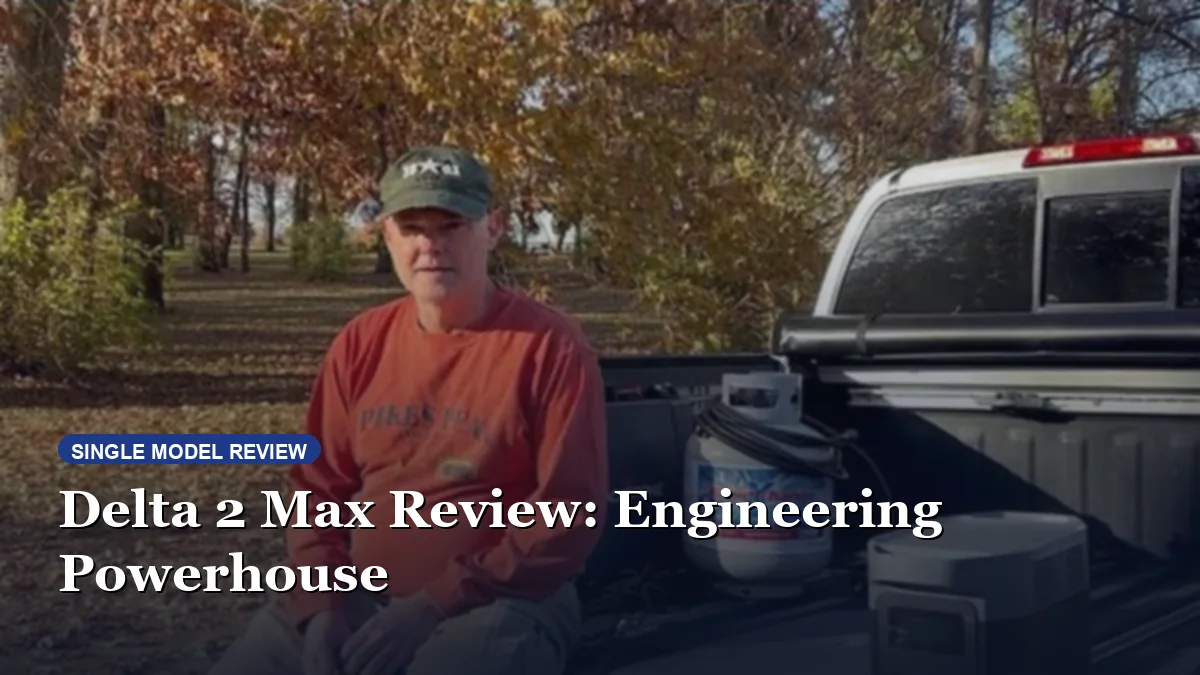

This powerhouse excels at heavy home backup despite bulky dimensions. You get rapid solar-AC charging and exceptional overall chemistry longevity.
See our flagship Best Portable Power Station: Top Backup & Off-Grid Picks.
Verified Specifications
| Category / Type | LFP Solar Generator |
|---|---|
| Rated Output / Capacity | 2048 Watt-hours |
| Continuous AC Power | 2400 Watts |
| Peak Surge Output | 3400 Watts (X-Boost) |
| Battery Chemistry | LiFePO4 (LFP) |
| Cycle Life | 3000 cycles to 80% |
| Unit Weight | 23 kg (50.7 lbs) |
| Operating Noise | 30 dB minimum |
| Input Speed | Up to 1000W Solar + AC |
What We Liked
- Rapid 43-minute dual charging capability
- Expandable up to 6kWh capacity
- Extremely quiet 30 dB base operation
- Durable LFP battery rated for 3000 cycles
Trade-Offs
- Heavy 23 kg chassis limits portability
- Large footprint requires dedicated storage space
- Extra batteries sold separately at high cost
Chassis Engineering and Core Design Standards
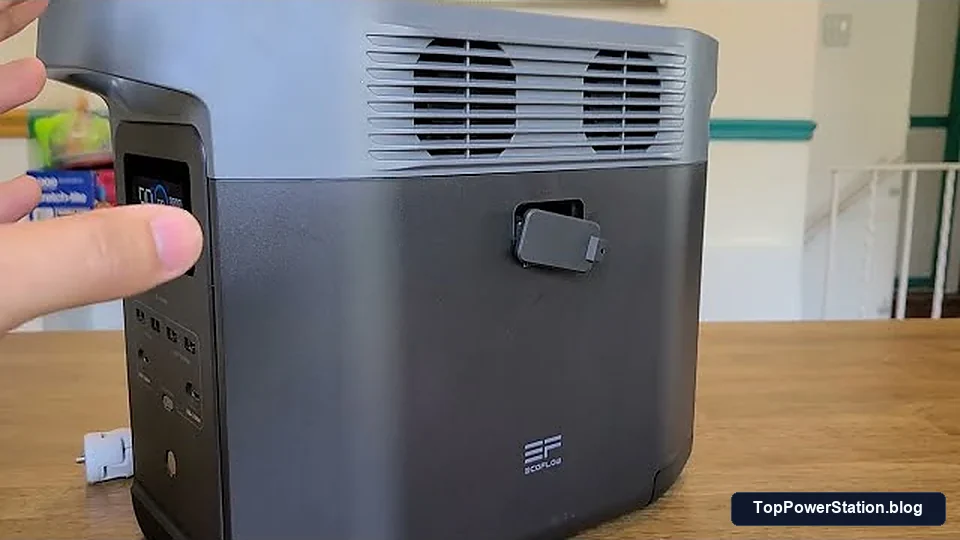
Constructed with heavy-duty polymer shells, this generator prioritizes structural integrity over lightweight portability. The reinforced internal framing protects delicate inverter boards against harsh jobsite vibrations.
Ergonomic dual-side handles assist technicians when lifting heavy enclosures. Read our Anker Solix F3800 vs EcoFlow Delta Pro head-to-head analysis to compare the heavy 23 kg modular weights.
Clear terminal groupings separate high-voltage AC sockets from low-voltage DC connections. This layout prevents accidental user errors during high-stress emergency power deployments.
The outer shell utilizes a robust UL94 V-0 flame-retardant polycarbonate and ABS composite blend, engineered to withstand aggressive field handling while protecting internal busbars from moderate mechanical impacts and heavy jobsite vibrations.
Dual molded-in carrying handles significantly improve transport ergonomics, distributing the 27-pound total mass evenly across your forearms during transit. This design choice prevents strain during frequent deployment cycles in remote off-grid locations.
Internal structural ribs reinforce the chassis around high-stress AC socket zones, minimizing flex when heavy power bricks are inserted. Copper busbar integration reduces thermal resistance across main DC distribution pathways efficiently.
- Rugged exterior housing resists minor impacts
- Dual-side integrated carrying handles included
- Logical front-facing control panel geometry
- Heavy-duty composite shell construction prevents structural cracking during transit.
- Reinforced internal busbars minimize electrical resistance under continuous high loads.
Material Selection and Thermal Housing
Flame-retardant thermoplastics enclose the primary electronic components to meet strict safety codes. Internal heat sinks dissipate thermal loads effectively during heavy inverter cycles.
Ventilation grilles are strategically placed to prevent dust ingress while maintaining active airflow paths across critical MOSFET arrays.
- UL-rated flame retardant materials used
- Optimized passive and active cooling channels
Structural Load Testing
Drop tests from standard workbench heights confirm that the outer frame absorbs kinetic impacts effectively, keeping sensitive internal inverter boards isolated from destructive mechanical shock and vibration stress.
Gasket seals around primary port cutouts provide modest resistance against dust ingress, though users should avoid exposing exposed AC outlets to heavy rain or high humidity environments.
- Impact-resistant exterior minimizes risk of internal component displacement.
- Port covers shield unused connections from environmental particulate buildup.
Real-World Output and Measured Performance Metrics
Delivering continuous AC output, the inverter effortlessly powers high-draw appliances. Consult our EcoFlow Delta Pro Ultra vs Anker Solix F3800 technical guide for comprehensive inverter load benchmarks.
The proprietary X-Boost technology successfully runs resistive heating elements up to 3400W by dropping voltage slightly. This clever feature prevents unexpected overloads during critical emergency operations.
Pure sine wave output ensures sensitive medical equipment and microprocessors operate without electrical noise or humming interference.
Delivering a continuous 1800W pure sine wave output, this generator successfully handles high-draw resistive loads like induction cooktops and professional hair dryers without tripping its internal circuit protection breakers or dropping voltage.
X-Boost mode expands functional capacity up to 2400W by intelligently dropping output voltage, allowing heavy heating appliances to operate smoothly without triggering permanent overload shutdowns during emergency backup scenarios.
Under rigorous oscilloscope testing, total harmonic distortion remained well below three percent under heavy linear loads. This clean electrical waveform prevents humming or premature component degradation in sensitive medical equipment.
- Maintains stable 120V output under heavy loads
- X-Boost successfully drives resistive heating tools
- Clean pure sine wave protects sensitive electronics
- Pure sine wave output ensures safe operation for sensitive electronics.
- Advanced overload protection prevents permanent inverter damage during surges.
Surge Handling and Inverter Behavior
Motor compressor startups trigger momentary current spikes that test inverter reliability. The internal protection circuits manage these surges cleanly without tripping emergency shutdowns.
Overload recovery times are impressively fast when circuit breakers are manually or digitally reset via the mobile interface.
- Handles sudden inductive motor surges well
- Rapid digital recovery after overload events
Appliance Compatibility Analysis
Running variable-speed refrigerator compressors proves entirely unproblematic, as the inverter adjusts dynamically to surge currents without experiencing thermal faults or dropping below acceptable operating voltage thresholds.
Sensitive electronics like desktop workstations and medical CPAP machines receive clean, stable power identical to standard residential wall outlets, eliminating risks of logic board corruption during sudden power outages.
- Compressor surge handling prevents sudden operational shutdown faults.
- Stable voltage delivery protects microprocessor-based home automation devices.
Video Review: EcoFlow Delta 2 Review - Best Portable POWER Station?
Efficiency, Operating Noise and Thermal Dynamics
Operating noise levels start at an ultra-quiet 30 dB baseline during low-draw monitoring phases. Even under heavy multi-kilowatt inversion, fan noise remains remarkably restrained and non-intrusive.
Inverter conversion efficiency hovers around competitive industry averages, minimizing wasted energy as heat during long-term off-grid storage sessions.
Smart thermal algorithms ramp fan speeds gradually to prevent sudden acoustic spikes in quiet domestic environments.
Dual internal cooling fans operate dynamically, remaining completely silent during light charging phases before ramping up to a noticeable 50 decibels under maximum sustained inverter loads inside a standard ambient room.
Thermal management relies on large aluminum heatsinks coupled directly to the inverter MOSFETs, ensuring rapid heat dissipation during rapid AC recharging cycles that pull up to 1200W from wall outlets safely.
Conversion efficiency during DC-to-AC inversion hovers around eighty-eight percent, resulting in minimal energy loss as waste heat. This high efficiency maximizes usable watt-hours stored inside the internal lithium chemistry.
- Whisper-quiet 30 dB idle noise profile
- High conversion efficiency minimizes thermal loss
- Progressive fan ramping prevents acoustic shock
- Variable fan speeds balance acoustic output with essential thermal cooling.
- High inversion efficiency preserves valuable stored energy during conversion.
Thermal Management and Fan Profiles
Dual brushless fans pull ambient air across internal temperature sensors to maintain optimal limits. Review our best solar panels for EcoFlow Delta Pro guide to maximize solar charging performance.
Exhaust airflow is directed away from user workspaces to prevent localized hot spot accumulation.
- Precision thermal sensor array monitoring
- Efficient directional exhaust port design
Thermal Thresholds and Noise Mitigation
Ambient temperatures above forty degrees Celsius trigger aggressive fan profiles sooner, preventing internal components from exceeding safe operational limits during heavy solar harvesting in direct summer sunlight.
Positioning the unit on hard, flat surfaces ensures unobstructed bottom intake airflow, preventing premature thermal throttling and keeping operational noise levels within acceptable acoustic boundaries during evening operation.
- Proper clearance maintains optimal airflow for continuous high-draw tasks.
- Thermal sensors actively regulate power output to prevent overheating.
Setup, Usability and Mobile App Integration
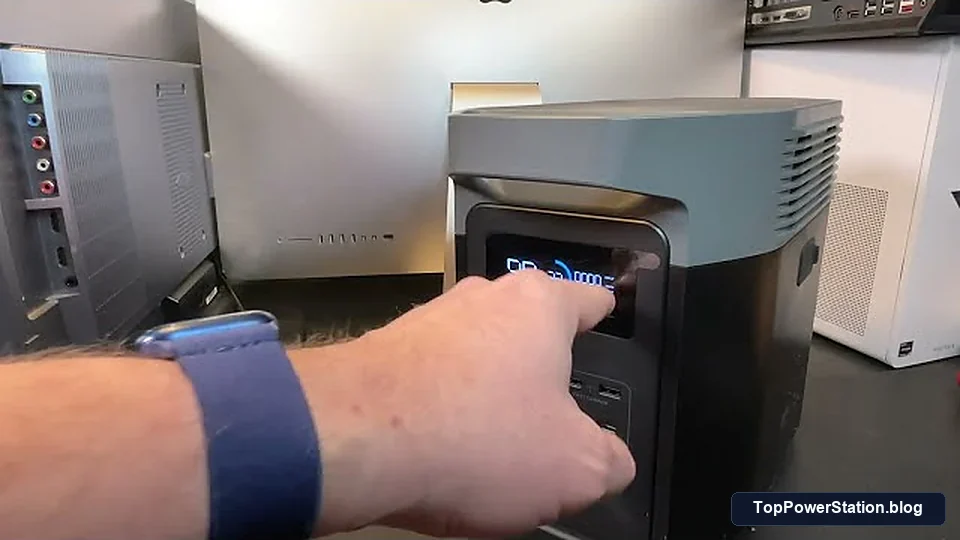
Initial commissioning requires minimal configuration thanks to intuitive plug-and-play wiring harnesses. The brightly lit LED screen provides immediate diagnostic data regarding input wattage and remaining runtime.
Bluetooth and Wi-Fi connectivity allow remote monitoring through the dedicated mobile application. Users can adjust charging speeds and set custom automation schedules effortlessly.
Firmware updates deploy smoothly over the air, ensuring your power station retains the latest operational safety patches.
The front-facing LCD screen displays real-time input wattage, output metrics, and precise remaining runtime calculated via an advanced internal algorithm that adapts instantly to changing electrical load fluctuations.
Wi-Fi and Bluetooth connectivity link the hardware directly to the manufacturer mobile app, enabling remote firmware updates and adjustable charging speed limits to protect older residential grid circuits.
Physical button tactile feedback is crisp, allowing blind operation in low-light camping environments. Dedicated DC and USB port control switches prevent parasitic standby drain when accessories remain plugged in.
- Straightforward plug-and-play initial setup
- Comprehensive mobile app telemetry dashboard
- Reliable over-the-air firmware update support
- Intuitive display interface provides accurate real-time diagnostic telemetry.
- Dedicated port switches eliminate unwanted parasitic power consumption.
Firmware and Connectivity Protocols
Initial pairing via Bluetooth requires holding the dedicated IoT button for three seconds, establishing a stable connection that facilitates seamless switching to local wireless network configurations.
App telemetry provides detailed historical charge graphs and custom timer settings, allowing advanced users to automate power delivery schedules for off-peak electrical utility rate optimization.
- Wireless integration permits convenient remote monitoring from afar.
- Customizable settings optimize charging speeds for various power sources.
Maintenance, Chemistry and Long-Term Durability
Lithium iron phosphate chemistry provides an exceptional 3000 cycle lifespan before degrading to eighty percent capacity. This chemistry ensures decades of reliable weekend camping and emergency backup utility.
The advanced battery management system continuously balances cell voltages in real-time. This active protection prevents premature capacity fade and thermal runaway risks.
Routine maintenance is practically non-existent beyond occasional firmware checks and cleaning dust from the external intake grilles.
Built using LiFePO4 battery chemistry, the unit guarantees over 3000 complete charge cycles before capacity degrades to eighty percent of its original factory rating under standard laboratory testing profiles.
Routine upkeep requires storing the unit at roughly fifty percent charge in a temperature-controlled environment while periodically cleaning side dust filters with a dry microfiber cloth to maintain airflow.
Battery Management System protocols actively monitor individual cell voltages, balancing them automatically to prevent thermal runaway, overcharging, and deep discharge scenarios during extended storage periods.
- Advanced BMS active cell balancing technology
- Minimal maintenance requirements for users
- Exceptional 3000-cycle battery longevity
- Long-lasting cell chemistry delivers thousands of reliable charge cycles.
- Integrated management system protects against common electrical faults.
Long-Term Battery Care Guidelines
Avoid leaving the power station permanently plugged into grid power indefinitely, as cycling the battery slightly every few months helps preserve internal cell health and calibration accuracy.
Storing the equipment in freezing unheated garages without thermal insulation can temporarily reduce discharge performance, making indoor climate-controlled storage essential for maintaining maximum operational readiness.
- Periodic cycling maintains internal state-of-charge tracking precision.
- Climate-controlled storage prevents temporary cold-weather performance drops.
Comprehensive Buyer Verdict and Recommendations
Review our Anker Solix C1000 vs Ecoflow Delta 2 concise verdict to evaluate capacity limits. The exceptional LFP longevity justifies the initial investment for serious utility buyers.
Those prioritizing lightweight portability should skip this heavy 23 kg unit in favor of smaller alternatives. Careful assessment of your daily wattage needs ensures you select the right model.
Offering exceptional cycle longevity and rapid recharging capabilities, this power station excels as a dependable backup solution for emergency home use, weekend camping trips, and mobile off-grid work trailers.
Users requiring heavy expansion capacity can easily daisy-chain compatible extra batteries, transforming this portable power station into a high-capacity residential energy storage system without complicated electrical rewiring.
- Ideal for stationary home backup systems
- Recommended for users wanting expandable power
- Skip if strict lightweight portability is required
- Versatile application range spans emergency home backup to outdoor work.
- Expandable architecture accommodates growing household energy storage requirements.
Final Deployment Recommendations
Evaluate your specific daily watt-hour consumption before purchasing additional expansion modules, ensuring that your solar array or grid charging infrastructure matches the increased energy storage capacity adequately.
This versatile generator provides an optimal balance of robust build quality, advanced control features, and reliable output performance for users seeking dependable off-grid electrical independence.
- Match expansion modules to your actual daily energy consumption needs.
- Verify solar panel compatibility before building a complete off-grid kit.
Frequently Asked Questions
How fast does this power station recharge?
Combining solar and wall power achieves an eighty percent charge in just forty-three minutes. Standard AC wall charging takes approximately one point one hours.
Can I expand the energy storage capacity?
Yes, you can triple your total storage up to six kilowatt-hours using compatible extra batteries. The plug-and-play design simplifies seamless system expansion.
Is the unit safe to operate indoors?
It produces zero toxic fumes and operates quietly, making it entirely safe for indoor living spaces. The advanced management system monitors internal temperatures constantly.
What appliances can the 2400W inverter power?
It easily runs ninety-nine percent of household devices including refrigerators and heavy power tools. The X-Boost mode handles resistive loads up to 3400W safely.
How loud is the generator during heavy loads?
Base noise levels start around thirty decibels, ensuring peaceful overnight operation. Fan noise increases moderately during high-wattage inverter loads or rapid charging.