Yeti vs EcoFlow: Comprehensive Technical Comparison
Goal Zero Yeti and EcoFlow represent two distinct philosophies in mobile power engineering. Choosing between them requires evaluating chemical composition, input speeds, and rugged physical architecture.

Choose Yeti for rugged off-grid durability and modular expansion ports. Select EcoFlow if you prioritize rapid AC charging speeds and advanced smartphone app telemetry.
Compare all top models in our Best Portable Power Station: Top Picks for 2026.
Side-by-Side Breakdown
| Criteria | Yeti | EcoFlow | Edge |
|---|---|---|---|
| Core Design / Build | Industrial grade aluminum and heavy-duty composite housing. | Modular polymer framing with integrated carrying handles. | Yeti |
| Real-World Performance | Consistent output under extreme thermal conditions. | Massive surge capacity for heavy inductive loads. | EcoFlow |
| Ease of Setup & Use | Traditional physical switches and direct readout screens. | Advanced Wi-Fi and Bluetooth app connectivity. | EcoFlow |
| Durability & Reliability | Built for rigorous industrial and remote field sites. | Optimized for recreational camping and emergency backup. | Yeti |
| Efficiency / Operating Footprint | Standard inverter conversion with reliable trickle loads. | Patented rapid-charge circuitry with high throughput. | EcoFlow |
| Maintenance Requirements | Minimal upkeep with modular battery replacement options. | Software-driven battery management with cloud updates. | Yeti |
| Best Ideal Use Case | Remote professional work and permanent off-grid cabins. | Rapid emergency home backup and mobile content creation. | EcoFlow |
Engineering Philosophy and Senior Leadership Approach
Goal Zero approaches power station design with industrial-grade durability and traditional user interfaces. Their engineering teams focus on long-term hardware reliability over bleeding-edge digital features.
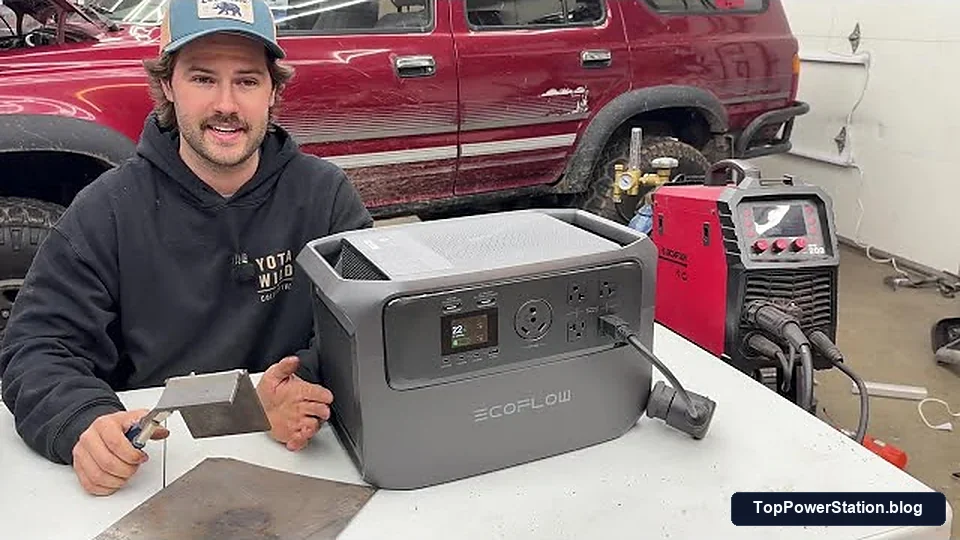
Conversely, EcoFlow drives innovation through rapid software iterations and advanced power conversion. As shown in our EcoFlow River 2 Pro review, corporate leadership prioritizes lightning-fast recharging speeds and seamless mobile integration.
Goal Zero prioritizes rugged industrial durability, leveraging heavy-duty aluminum frames and modular rack-mount standards. Their senior engineering teams emphasize long-term serviceability, ensuring legacy units remain repairable using standard workshop replacement components.
EcoFlow adopts a consumer-centric technology blueprint, pushing rapid charging limits via patented X-Stream inverter architecture. Their leadership drives aggressive firmware iteration, transforming portable generators into interconnected smart-home energy nodes with cloud connectivity.
- Goal Zero emphasizes modular expansion and heavy-duty chassis construction.
- EcoFlow focuses on proprietary inverter technology and rapid charge speeds.
- Senior engineering teams diverge on lithium chemistry deployment schedules.
External Links and Ecosystem Interfacing
Integrating auxiliary solar panels requires understanding proprietary connection standards. Yeti units utilize robust Anderson power poles for high-amp direct current inputs safely.
EcoFlow relies on standard solar connectors paired with smart Maximum Power Point Tracking controllers to optimize harvesting efficiency across variable weather patterns.
- Yeti deploys heavy-duty Anderson Powerpole connectors.
- EcoFlow uses standard MC4 solar adapter cables.
Digital Interface and Display Ergonomics
The physical user interface dictates how field technicians monitor real-time power metrics. Yeti stations utilize straightforward LCD screens displaying wattage draw and percentage readouts clearly.
EcoFlow models incorporate vibrant digital dashboards that display remaining runtime down to the exact minute based on current load conditions.
Goal Zero utilizes high-contrast monochrome LCD screens designed for maximum visibility under direct sunlight. The interface highlights input-output wattage metrics alongside simple battery health indicators, minimizing distractions during emergency deployment.
EcoFlow integrates vibrant color LED panels featuring comprehensive runtime estimates and fault codes. Angled bezels enhance readability when units sit on tent floors, while capacitive touch buttons provide immediate access to Wi-Fi pairing functions.
- Yeti screens prioritize high-contrast readability in direct sunlight.
- EcoFlow displays feature dynamic runtime estimation algorithms.
Homepage Hero Slider and Digital Dashboards
Modern power station marketing relies heavily on digital feature highlights. Evaluating these metrics requires stripping away promotional graphics to analyze actual inverter continuous output limits.
Technical transparency ensures buyers understand surge ratings versus sustained operating capacities during continuous heavy electrical usage scenarios.
- Continuous output ratings dictate true appliance compatibility.
- Surge ratings only apply for fractional second intervals.
Field Performance and Community Partnerships
Field reliability is tested when power stations support remote expeditions. For example, our Ecoflow Delta 2 review details how portable units sustain critical communications during demanding field tests.
Organizations working in remote regions depend on rugged equipment that withstands dust, moisture, and rough transport conditions without experiencing catastrophic internal component failure.
Goal Zero maintains deep partnerships with outdoor guide associations, testing equipment across extreme alpine environments. These field collaborations validate IP-rated dust resistance and structural resilience against severe vibrational stress during overlanding transit.
EcoFlow collaborates closely with mobile disaster relief networks, deploying high-capacity units into crisis zones. Real-world feedback directly informs rapid-charge safety thresholds, ensuring reliable operation when deployed alongside solar arrays in austere conditions.
- Humanitarian missions require dust-resistant ventilation designs.
- Remote field deployments test the limits of thermal management systems.
Field Education and Global Outreach Initiatives
Deploying reliable power solutions in educational settings fosters technical literacy among youth. Portable generators provide stable electricity for laptops and lighting in off-grid classrooms.
Sustainable energy integration teaches students practical electrical engineering concepts while ensuring uninterrupted access to modern digital learning resources globally.
- Stable power supports remote digital learning hubs.
- Durable housings protect internal electronics from student handling.
Live Monitoring and Data Telemetry Systems
Broadcasting live events or managing complex remote data streams demands constant power stability. Modern power stations feature advanced telemetry to track input and output fluctuations instantly.
Engineers analyze these diagnostic logs to prevent overloads and ensure connected sensitive electronics remain protected against unexpected voltage sags or electrical spikes.
Telemetry architecture in Goal Zero units relies on direct hardware polling for basic diagnostic checks. Users track voltage drop characteristics locally, avoiding complex cloud dependencies that might fail during extended off-grid communication blackouts.
EcoFlow broadcasts rich telemetry data via Bluetooth and 2.4GHz Wi-Fi protocols directly to mobile applications. This enables remote firmware updates and custom charging profile adjustments to optimize battery longevity across varying climates.
- Real-time telemetry prevents unexpected thermal shutdown events.
- Voltage regulation protects sensitive broadcast equipment safely.
Midterm Elections and High-Demand Streaming Setups
Powering remote broadcast booths during major political events requires absolute reliability. Equipment failure is not an option when live audiences expect uninterrupted video streaming feeds.
Redundant battery systems and clean sine wave inverters ensure microphones and transmission gear operate without audible electrical hum or signal interference.
- Clean sine wave output eliminates audio interference.
- Redundant power paths prevent catastrophic broadcast drops.
Creative Engineering and Portable Power Design
Creative entrepreneurs working in remote outdoor environments need reliable electricity for editing suites and camera batteries. Compact power stations replace noisy fuel generators effectively.
Lightweight design paired with high energy density allows creators to hike deep into wilderness areas while carrying enough watt-hours to power entire production workflows.
Mechanical designers at Goal Zero focus on integrated storage compartments and heavy-duty carrying handles. Every housing maximizes structural rigidity, using fire-retardant ABS polymers engineered to withstand accidental drops on rocky campsites.
EcoFlow engineers prioritize spatial efficiency and modular scaling. As highlighted in our EcoFlow Delta Pro Ultra review, these designs incorporate aerodynamic cooling channels that direct airflow efficiently without increasing enclosure weight.
- Silent operation permits audio recording near the power source.
- High energy density reduces pack weight for backcountry travel.
Thriving in Remote Creative Workspaces
European and domestic creative professionals increasingly adopt mobile power stations for remote field production. These units eliminate the logistical nightmare of hauling heavy fuel canisters.
Integrated solar charging arrays enable multi-week off-grid expeditions where traditional electrical infrastructure is entirely nonexistent or completely unreliable.
- Solar arrays provide infinite off-grid replenishment.
- Eliminating fuel dependence reduces operational hazards.
Thermal Management and High-Demand Load Testing
Managing internal heat dissipation is critical for extending battery lifespan during heavy usage. Both brands employ intelligent variable-speed cooling fans to prevent dangerous thermal runaway conditions.
Acoustic noise levels vary significantly during maximum output testing, with larger units requiring aggressive airflow management to cool dense lithium-ion or lithium iron phosphate cell packs.
Goal Zero units deploy large passive heatsinks paired with variable-speed brushless fans for continuous cooling. During heavy inductive loads, internal thermal sensors dynamically throttle output to protect internal lithium-ion chemistry cells safely.
EcoFlow utilizes intelligent multi-sensor arrays to monitor localized temperature spikes across inverter transformer windings. This aggressive thermal control permits sustained surge outputs, handling heavy motorized appliances without triggering thermal shutdown protections prematurely.
- Variable speed fans minimize unnecessary ambient noise.
- Thermal throttling protects cells from permanent heat damage.
Intimate Live Show Production and Acoustic Control
Acoustic environments demand whisper-quiet power sources that will not disrupt sensitive microphone recordings. Portable power stations offer an ideal silent alternative to internal combustion generators.
Sound engineers appreciate units that maintain low fan noise thresholds even when powering heavy stage lighting and multi-channel audio mixing consoles continuously.
- Silent operation preserves pristine acoustic recording environments.
- Low thermal thresholds prevent unexpected mid-performance shutdowns.
Maintenance Protocols and Expanded Ecosystem Grid
Routine maintenance ensures peak performance throughout the operational lifespan of your power station. Firmware updates, terminal cleaning, and proper storage voltage management are essential protocols.
Building out an expanded ecosystem with extra battery modules and dedicated solar panels allows users to scale their off-grid capacity as energy demands inevitably increase over time.
Routine maintenance for Goal Zero systems involves periodic firmware calibration and terminal corrosion inspections. Their modular architecture supports user-replaceable fuse arrays, simplifying long-term upkeep for technicians managing large remote off-grid deployments.
EcoFlow ecosystems scale seamlessly through dedicated smart auxiliary batteries and home integration panels. Maintaining these networks requires regular software synchronization, ensuring balanced state-of-charge distribution across interconnected energy storage modules.
- Keep firmware updated to ensure optimal battery management efficiency.
- Store units at recommended state-of-charge levels during extended inactivity.
Discover More Advanced Technical Configurations
Optimizing your portable power setup involves understanding parallel linking cables and transfer switch integration. Advanced users can tie multiple units together for whole-home emergency backup.
Consulting manufacturer wiring guidelines guarantees safe installation practices. For large-scale home integration, our detailed EcoFlow Delta Pro 3 review covers connecting high-capacity power stations directly to residential sub-panels safely.
- Parallel kits double total available watt-hour capacity.
- Transfer switches protect utility workers from dangerous backfeeding.
Frequently Asked Questions
How do Yeti and EcoFlow battery chemistries differ for long-term ownership?
Yeti models often utilize traditional lithium-ion or lead-acid variants depending on the specific series tier chosen. EcoFlow predominantly implements lithium iron phosphate chemistry to ensure extended cycle life and superior thermal stability.
Can I charge both power station brands using standard portable solar panels?
Yes, both systems accept DC solar inputs through designated charging ports. You must carefully verify that open-circuit voltage parameters match the internal charge controller limits of your specific unit.
Which brand offers better mobile application support for remote monitoring?
EcoFlow provides a feature-rich smartphone application utilizing Wi-Fi and Bluetooth for detailed telemetry tracking. Goal Zero offers functional connectivity, but EcoFlow leads in remote firmware customization and real-time data adjustments.
Are these power stations safe to operate inside enclosed residential spaces?
Both Yeti and EcoFlow units produce zero carbon monoxide emissions during standard operation. This makes them entirely safe for indoor emergency backup, provided they maintain proper ventilation clearances around cooling fans.
How should I store my portable power station during extended off-seasons?
Store your unit in a temperature-controlled environment with a state-of-charge hovering around fifty percent. Performing a quarterly maintenance charge cycle prevents deep self-discharge degradation and preserves overall cell health.