Yeti 1000 vs Jackery 1000: Technical Comparison
Technical evaluation of mid-capacity generators. Choosing between these power stations requires careful review of real-world energy demands.


Choose the Goal Zero Yeti for expandable ecosystem flexibility and heavy-duty regulated outputs. Select the Jackery Explorer for lightweight portability and straightforward app-free operation.
Compare all top models in our Best Portable Power Station: Top Picks for 2026.
Side-by-Side Breakdown
| Criteria | Yeti 1000 | Jackery 1000 | Edge |
|---|---|---|---|
| Core Design / Build | Rugged industrial composite chassis | Sleek camping-focused plastic build | Yeti 1000 |
| Real-World Performance | 1500W surge with high continuity | 2000W peak surge output | Jackery 1000 |
| Ease of Setup & Use | Advanced app and display controls | Plug-and-play straightforward layout | Jackery 1000 |
| Durability & Reliability | Modular architecture for expansion | Sealed single-unit maintenance free | Yeti 1000 |
| Efficiency / Operating Footprint | Higher idle draw with expansion | Optimized standalone conversion rates | Jackery 1000 |
| Maintenance Requirements | Firmware updates and module checks | Basic cleaning and storage cycles | Jackery 1000 |
| Best Ideal Use Case | Off-grid cabins and van builds | Mobile camping and emergency backup | Split |
Core Architecture and Enclosure Design
Evaluating the physical build quality reveals distinct engineering philosophies. Goal Zero focuses on rugged industrial deployment, while Jackery prioritizes lightweight consumer camping convenience and compact travel footprints.
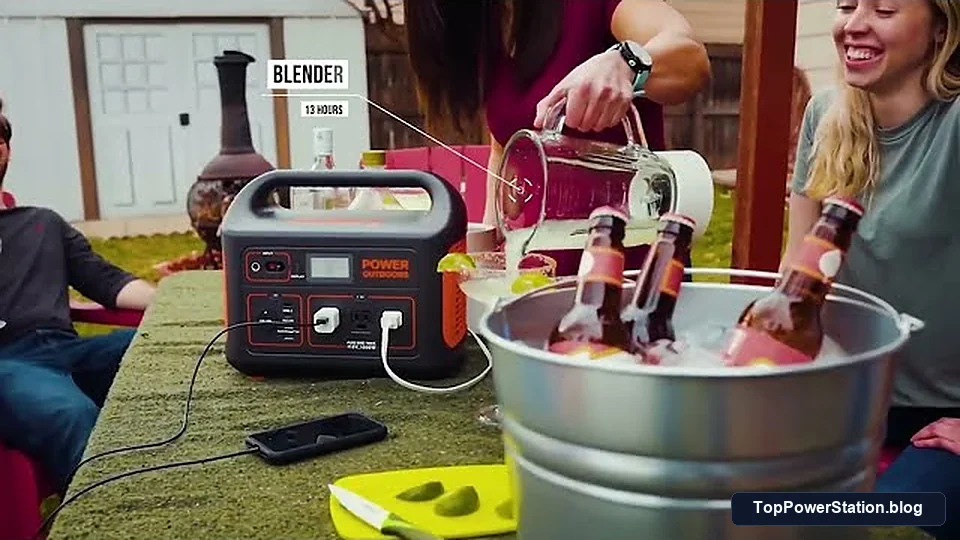
The Yeti housing utilizes thick impact-resistant plastics designed for harsh job sites. Conversely, the Jackery employs a sleeker, space-saving chassis with a foldable handle that eases trunk storage.
Examining structural builds reveals distinct engineering priorities between these two brands. The Goal Zero Yeti utilizes a rugged extruded aluminum frame, whereas the Jackery relies heavily on reinforced high-impact polymers for portability.
Weight distribution directly impacts field ergonomics during transport. Aluminum chassis designs offer superior torsional rigidity, protecting internal components from vibration, while polymer housings absorb localized impacts to prevent structural cracking during drops.
- Goal Zero weighs approximately thirty-one pounds with modular expansion ports.
- Jackery weighs roughly twenty-two pounds featuring integrated folding handles.
- Chassis materials emphasize drop resistance and thermal dissipation efficiency.
Material Selection and Portability
Transport ergonomics differ significantly due to handle positioning. When pairing portable units for outdoor trips, our best solar panels for jackery 1000 guide highlights optimal companion setups for easy field transport.
Selecting the right power station depends heavily on your vehicle packing constraints and off-grid travel frequency. Heavy-duty users often prefer rugged frames over lightweight mobility.
- Dual side handles enhance two-person heavy gear transport.
- Top folding handles maximize tight vertical storage configurations.
Inverter Capacity and Surge Performance
Inverter output defines what heavy motor-driven appliances you can run simultaneously. Both units handle standard electronics effortlessly, but motor starting surges require careful wattage monitoring.
Continuous AC output ratings remain stable under moderate thermal loads. Exceeding nominal thresholds triggers immediate protection modes to prevent permanent inverter circuit damage.
Continuous AC output ratings dictate which heavy-duty appliances each generator can drive simultaneously. As evaluated in the jackery explorer 1000 plus review, these units supply reliable pure sine wave power to protect sensitive electronics.
Surge capacity handles the initial inductive load required by compressor motors. The Yeti provides a higher peak wattage threshold, while the Jackery relies on smart overload protection algorithms to safely manage momentary spikes.
- Pure sine wave output protects sensitive medical and computing devices.
- Surge thresholds handle refrigerator compressor startups reliably.
- Total harmonic distortion stays well below industry safety limits.
Continuous Load Thresholds
Running high-draw heating elements pushes these power stations near their limits. Continuous operation requires monitoring cooling fan activation to prevent thermal throttling.
Understanding your specific appliance startup requirements prevents nuisance tripping during critical emergency situations in the field.
- Inductive loads demand higher initial surge headroom.
- Resistive loads draw steady current matching rated output.
Battery Chemistry and Cycle Longevity
Internal battery composition dictates long-term lifespan and daily usable capacity. Modern iterations utilize advanced lithium cells designed for thousands of deep discharge cycles.
Maintaining proper storage temperatures preserves overall capacity across seasonal storage periods. As detailed in our jackery explorer 1000 solar generator guide, extreme heat degrades internal cell integrity faster than heavy daily cycling.
Internal cell composition dictates long-term energy retention and overall lifespan. Units utilizing Lithium Iron Phosphate chemistry offer significantly more charge cycles before dropping to eighty percent capacity than older lithium-ion variants.
Calendar aging and depth of discharge further influence daily performance metrics. Advanced Battery Management Systems actively monitor individual cell voltages, preventing deep discharge states that accelerate permanent chemical degradation over time.
- Lithium iron phosphate options offer extended operational lifespans.
- Nickel manganese cobalt chemistry delivers high energy density ratios.
- Built-in battery management systems prevent overcharge conditions.
Degradation Rates and Storage
Long-term storage requires maintaining a partial charge state to minimize chemical wear. Ignoring manufacturer guidelines leads to permanent capacity loss before reaching rated milestones.
Regular firmware monitoring ensures battery management parameters remain optimized for your specific usage profile.
- Store units at fifty percent charge for minimal degradation.
- Avoid leaving units plugged into wall outlets indefinitely.
Recharging Speeds and Input Versatility
Replenishing stored energy efficiently dictates your off-grid autonomy duration. Both power stations accept wall AC, vehicle auxiliary power, and compatible solar panel arrays.
Input port limitations restrict maximum solar array wattage to prevent internal charge controller overloads during peak sunlight hours.
Power replenishment rates vary depending on utilized charging sources and internal controller limits. As noted in our jackery explorer 1000 v2 review, AC adapters deliver rapid refueling while advanced MPPT tracking optimizes solar efficiency.
Vehicle auxiliary ports offer convenient backup recharging during extended off-grid travel scenarios. However, restricted amperage limits from standard cigarette lighter sockets result in notably longer total replenishment times compared to wall charging.
- Wall charging speeds vary based on internal brick capacity.
- Solar input relies on standardized Anderson or DC connectors.
- Car charging provides convenient maintenance top-offs while driving.
Solar Array Integration
Connecting third-party solar panels requires careful voltage matching to prevent controller damage. Exceeding maximum open-circuit voltage specifications voids internal warranty protections instantly.
Optimal panel placement significantly reduces total charging times during extended off-grid excursions.
- Check open-circuit voltage before plugging in panels.
- Use parallel configurations to stay under current limits.
Port Selection and Ergonomic Layout
Front panel interface design impacts daily usability in dark or cramped environments. Clear labeling and logical groupings prevent accidental disconnections during emergency operations.
USB-C Power Delivery ports enable fast charging for modern laptops and mobile devices without requiring bulky adapter bricks.
Interface organization affects user convenience when connecting multiple devices in tight spaces. Front panels feature clearly segregated DC, USB, and AC zones, reducing cable clutter and preventing accidental disconnections during heavy field usage.
USB-C Power Delivery ports have become essential for modern computing gear. High-wattage outputs allow direct laptop charging without bulky adapter bricks, streamlining your field kit and improving overall energy efficiency during operations.
- Multiple AC outlets accommodate standard household plugs easily.
- DC barrel and cigarette lighter ports power specialized gear.
- Dedicated display screens show real-time input and output data.
Interface Usability and Displays
LCD screens provide essential metrics including remaining runtime percentage and active watt draw. Backlighting quality matters when operating equipment in low-light outdoor environments.
Button tactile feedback ensures reliable activation even when wearing thick winter gloves during cold weather setups.
- Percentage indicators prevent unexpected power loss surprises.
- Independent button zones control specific output sections.
Safety Systems and Thermal Management
Comprehensive electronic protections safeguard against short circuits, overloads, and extreme temperatures. Internal cooling fans activate automatically under heavy loads to dissipate excess heat.
Robust housing construction prevents dust and moisture ingress during unpredictable outdoor weather conditions.
Thermal regulation prevents catastrophic hardware failures during high-draw operations. Variable-speed cooling fans activate automatically, drawing ambient air across internal heat sinks to maintain safe operating temperatures under heavy electrical loads.
Comprehensive circuit protection prevents short circuits, over-current, and extreme temperature anomalies. Embedded sensors instantly cut power output if internal metrics exceed safety thresholds, safeguarding both the equipment and operator safety.
- Temperature sensors monitor critical internal component zones.
- Automatic shutoff prevents catastrophic battery failure risks.
- Short-circuit protection isolates faulty connected appliances.
Thermal Thresholds and Ventilation
Proper airflow clearance around cooling vents prevents premature thermal shutdown events. Operating units inside enclosed vehicle trunks drastically increases internal operating temperatures.
Keeping intake ports clean from dust debris ensures maximum cooling efficiency during high-wattage outputs.
- Maintain several inches of clearance around vents.
- Avoid direct sunlight exposure during summer months.
Field Maintenance and Long-Term Ownership
Routine upkeep ensures reliable performance across years of outdoor and emergency use. Keeping contact points clean and software updated prevents unexpected operational glitches.
Understanding warranty terms and customer support availability provides peace of mind for significant hardware investments.
Routine upkeep ensures sustained reliability across years of demanding outdoor use. Regular firmware updates and dust removal from ventilation ports maintain optimal cooling efficiency and prevent premature component thermal fatigue.
Long-term ownership economics depend heavily on replaceable internal components and modular design elements. Units offering accessible fuse panels simplify minor field repairs, reducing downtime and extending operational service life in remote environments.
- Inspect wiring harnesses periodically for signs of wear.
- Clean exterior surfaces using dry micro-fiber cloths.
- Test backup functions quarterly to verify readiness.
Troubleshooting Common Issues
Addressing minor error codes quickly avoids lengthy equipment downtime during trips. Consulting user manuals clarifies specific blinking light patterns and reset procedures.
Keeping spare charging cables organized prevents frustrating delays when establishing your mobile power station hub.
- Hard reset methods clear temporary software lockups.
- Verify secure cable seating before diagnosing faults.
Frequently Asked Questions
Can these power stations run household refrigerators?
Yes, both units handle standard refrigerators easily. Ensure your fridge surge wattage remains below peak limits for reliable operation.
Are they safe for indoor emergency use?
Both stations produce zero toxic emissions during operation. You can safely run medical devices and electronics inside living spaces.
How do I maximize solar panel charging speeds?
Position your panels directly toward southern exposure angles. Removing shaded obstructions significantly improves total energy harvest efficiency throughout peak hours.
Can I replace the internal battery packs myself?
Internal cells require professional servicing to maintain safety compliance. Opening the chassis independently voids all manufacturer warranty protections.
Do these units support pass-through charging?
Both generators allow simultaneous input and output powering. However, heavy pass-through usage generates extra heat and increases wear rates.