Wattfun vs Bluetti: Portable Power Station Showdown
Comparing Wattfun and Bluetti reveals distinct performance trade-offs. Choose the right system for your off-grid energy needs.

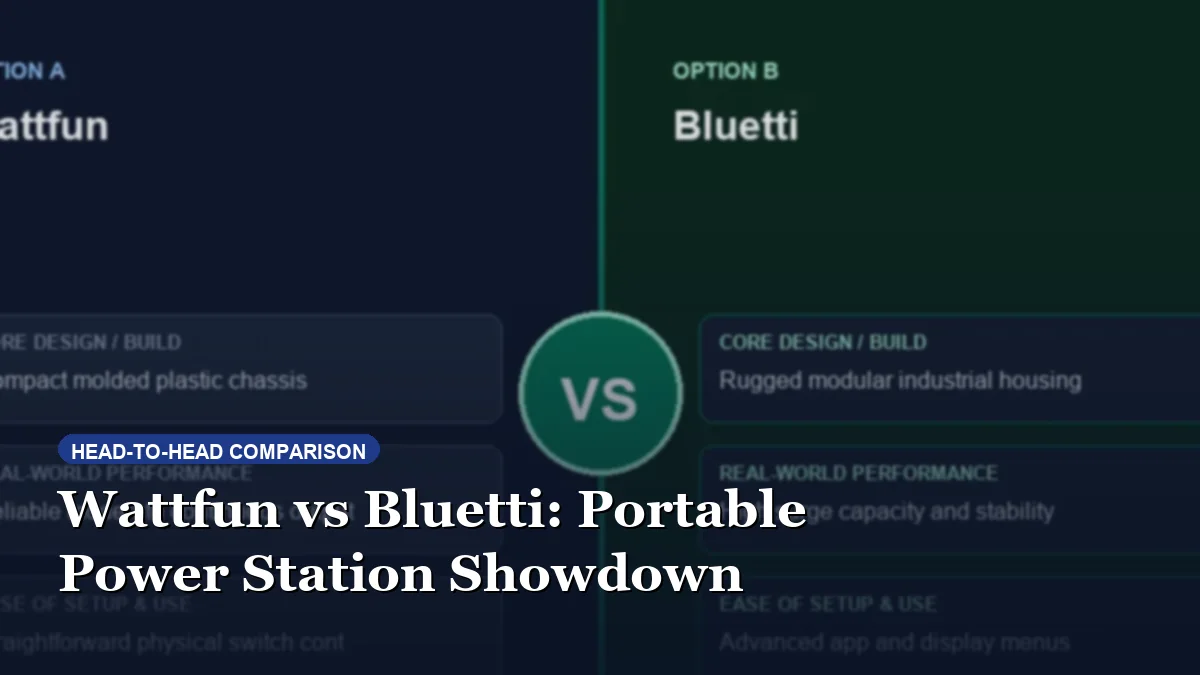
Pick Wattfun for budget-friendly camping simplicity, but select Bluetti for advanced modular scalability and high-capacity reliability.
Compare all top models in our Best Portable Power Station: Top Picks for 2026.
Side-by-Side Breakdown
| Criteria | Wattfun | Bluetti | Edge |
|---|---|---|---|
| Core Design / Build | Compact molded plastic chassis | Rugged modular industrial housing | Bluetti |
| Real-World Performance | Reliable moderate continuous output | High surge capacity and stability | Bluetti |
| Ease of Setup & Use | Straightforward physical switch controls | Advanced app and display menus | Wattfun |
| Durability & Reliability | Standard consumer-grade LiFePO4 | Heavy-duty commercial-grade cells | Bluetti |
| Efficiency / Operating Footprint | Minimal idle power draw | Optimized smart energy management | Bluetti |
| Maintenance Requirements | Basic terminal cleaning and storage | Regular firmware and app updates | Wattfun |
| Best Ideal Use Case | Weekend camping and light backup | Whole-home backup and off-grid living | Bluetti |
Checking Inverter AC Output and System Architecture
When evaluating portable power stations, verifying your inverter AC output ensures stable wattage delivery for sensitive electronics during unexpected grid failures or remote camping excursions without risking sudden equipment shutdowns.
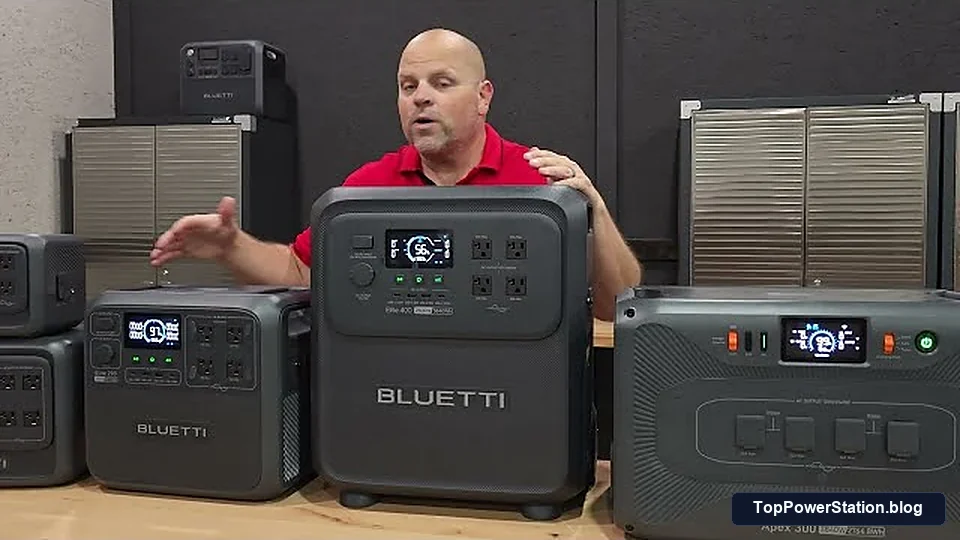
Both brands manage continuous loads differently under heavy thermal stress, requiring users to inspect physical terminal connections and monitor real-time display metrics closely before plugging in high-draw residential appliances.
When evaluating pure sine wave inverters, our Bluetti AC200L review highlights how advanced SPWM topologies ensure stable voltage regulation and low total harmonic distortion under heavy inductive motor loads.
Measure the nominal output frequency using a calibrated multimeter to verify compliance with 50Hz or 60Hz grid standards. Inspect internal busbars for secure torque settings to prevent thermal hotspots during continuous maximum capacity discharges.
- Pure sine wave inverter stability metrics
- Total continuous versus peak surge wattage capacity
- AC receptacle layout and terminal spacing design
Hardware Terminal Inspection
Inspecting physical ports prevents terminal oxidation and loose internal connections from degrading overall power transfer efficiency during extended outdoor deployments in humid environments.
- Corrosion prevention on exposed metal contacts
- Secure locking mechanisms for high-amp DC ports
Setting Default Power Routing and Port Priorities
Proper configuration of DC and USB ports prevents energy bottlenecks, ensuring your essential communication gear receives priority charging currents while auxiliary devices draw secondary power safely.
As highlighted in our Bluetti AC180 review, these systems feature advanced software menus for customized port prioritization, whereas simpler units rely on manual switches for routing current efficiently.
Configure your unit settings to prioritize solar MPPT input over standard AC grid charging when deploying emergency off-grid systems. This ensures renewable resources remain the primary energy replenishment source during prolonged utility grid outages.
Establish proper DC output thresholds by managing USB-PD and 12V cigarette lighter port allocation through the onboard control panel. Assigning dedicated power channel priorities prevents unexpected shutdowns when running multiple low-draw medical or communication devices.
- Automatic versus manual port power distribution
- USB Power Delivery fast-charging protocol support
- Simultaneous input and output pass-through capabilities
Software Versus Manual Switching
Automated power routing minimizes user error by dynamically shifting wattage based on connected load priorities and available battery percentage thresholds.
- User interface responsiveness during operation
- Physical toggle switch durability over time
Disabling Eco Modes and Parasitic Draw Enhancements
Turning off aggressive eco mode features stops power stations from shutting down prematurely when powering low-draw appliances like medical CPAP machines or miniature LED string lights.
As noted in the Bluetti EB3A review, competing systems sometimes drop connection with micro-loads, while these units offer adjustable sleep timeout thresholds through dedicated smartphone applications for uninterrupted operation.
Modern energy storage systems feature automatic sleep functions that can prematurely shut down during low-wattage operations. Disabling these adjustable eco modes is mandatory if you plan to power small CPAP machines or LED lighting arrays continuously.
Measure standby power consumption with an external clamp meter to isolate internal parasitic draw values originating from active Bluetooth modules. Minimizing background current leakage preserves vital battery reserves when the hardware sits idle in storage.
- Adjustable automatic shutdown timeout intervals
- Minimizing parasitic internal standby power losses
- Maintaining stable current for low-wattage medical gear
Managing Micro-Load Thresholds
Understanding standby power consumption helps prevent unexpected battery drain when your generator sits idle in storage between major emergency preparedness deployments.
- Standby self-discharge rates per month
- Inverter idling loss benchmarks under no load
Running Automated Battery Management Diagnostics
Executing built-in BMS diagnostics helps identify internal cell imbalances or thermal anomalies before they escalate into catastrophic hardware failures during critical off-grid trips.
Bluetti provides comprehensive self-test routines via digital displays, whereas Wattfun users must rely on basic warning indicator lights to spot potential operational faults.
Built-in battery management systems continuously monitor individual cell voltages to guarantee long-term operational safety. Triggering manual BMS diagnostics via the device interface helps detect minor voltage imbalances before they trigger fault codes.
Review historical temperature logs to ensure internal cooling fans activate correctly during high-amperage charging cycles. Maintaining optimal lithium chemistry health requires keeping internal cell temperatures well below critical thermal runaway safety thresholds.
- Battery management system cell balancing efficiency
- Real-time temperature sensor array monitoring
- Over-voltage and under-voltage protection thresholds
Interpreting Diagnostic Error Codes
Modern lithium chemistry units display specific numerical error codes that pinpoint exact hardware malfunctions for rapid troubleshooting and warranty claim processing.
- Common error code reference manual guide
- Reset procedures for tripped internal breakers
Updating Firmware and Mobile App Connectivity
Keeping your firmware updated ensures optimal charging algorithms and seamless Bluetooth or Wi-Fi pairing for remote energy monitoring from your smartphone.
Bluetti excels with frequent over-the-air software patches, while Wattfun relies on stable out-of-the-box hardware configurations that rarely require digital intervention over time.
Manufacturers frequently release software patches to improve inverter efficiency and resolve rare communication bugs. Performing a firmware upgrade sequence requires maintaining a stable internet connection and an uninterrupted power source throughout the installation.
Secure Bluetooth and Wi-Fi pairing protocols guarantee reliable telemetry data transmission to your smartphone dashboard. Verify that your mobile app interface displays accurate state-of-charge percentages and real-time wattage inputs without noticeable latency.
- Over-the-air update stability and security
- Bluetooth and Wi-Fi signal range performance
- Companion mobile app data refresh speed
Wireless Integration Trade-Offs
App connectivity adds tremendous convenience for garage-based solar setups, though simpler non-connected units reduce potential points of software failure.
- Local versus cloud-based remote monitoring
- Security encryption for wireless power management
Performing System Load Tests and Environmental Checks
Conducting a rigorous test load, much like the procedures outlined in our Bluetti AC70 review, ensures your portable power station handles surge demands from motor-driven refrigeration units effortlessly.
Ambient temperature heavily impacts lithium-ion performance, making it essential to monitor internal cooling fans and ventilation clearances during heavy summer usage cycles.
Execute controlled stress tests by connecting variable resistive loads to verify the inverter handles surge capacities safely. Monitoring maximum continuous wattage limits prevents accidental overload trips during demanding field deployment and emergency scenarios.
Assess operating environments by checking ambient temperature and relative humidity levels around ventilation intake ports. Protecting hardware from extreme weather exposure extends overall lifespan and prevents moisture ingress inside sensitive circuit boards.
- Cold weather charging protection mechanisms
- Maximum operating ambient temperature limits
- Surge testing with inductive motor appliances
Thermal Management Realities
Active cooling fans prevent overheating during high-wattage inverter usage, though excessive dust accumulation can trigger thermal throttling safeguards prematurely.
- Fan noise decibel levels under heavy load
- Dust ingress protection and vent clearance
Troubleshooting Power Faults and Manufacturer Support
Accessing comprehensive manufacturer support channels proves invaluable when navigating complex warranty claims or securing replacement parts for aging power storage hardware.
Established brands offer robust customer service networks, while smaller manufacturers might require patience when diagnosing obscure charging faults or shipping heavy replacement units.
When error codes appear on the digital display, consult the user manual troubleshooting matrix to identify specific subsystem failures. Documenting exact error code numbers expedites communication when contacting technical support teams for warranty claims.
Gather proof of purchase, serial numbers, and diagnostic logs before submitting formal RMA requests to expedite hardware replacements. Effective manufacturer support channels typically resolve complex internal electronic issues efficiently if complete operational data is provided.
- Customer service response time benchmarks
- Availability of authorized repair service centers
- Replacement parts inventory and shipping logistics
Warranty Coverage Comparison
Long-term warranty terms reflect manufacturer confidence in LiFePO4 battery longevity and overall inverter build quality across varying price brackets.
- Standard multi-year warranty duration terms
- Pro-rated versus full replacement policies
Frequently Asked Questions
Which brand is better for long-term off-grid living?
Choosing between these popular brands depends heavily on your specific off-grid power requirements and whether you need advanced modular expansion capabilities for extended remote camping trips.
Bluetti generally suits heavy users seeking high-capacity ecosystems, while Wattfun fits casual weekend campers looking for straightforward budget operation without complicated software menus.
Can these power stations run sensitive medical equipment?
Both manufacturers utilize pure sine wave inverters that safely power sensitive household electronics and medical devices like CPAP machines without risking electrical damage. Bluetti models offer superior adjustable sleep timeouts to prevent unwanted shutdowns during low-draw medical applications overnight.
How do I maintain my LiFePO4 battery during winter storage?
Proper seasonal storage requires keeping your battery charged around fifty percent and storing it in a temperature-controlled indoor space away from freezing conditions. Regular cycle maintenance every few months prevents deep discharge states that permanently degrade internal cell capacity.
Are firmware updates mandatory for daily generator operation?
Firmware updates are rarely mandatory for basic physical operation, but they often improve charging efficiency and resolve minor Bluetooth connectivity bugs.
Bluetti relies heavily on app updates for new features, whereas Wattfun units function reliably right out of the box without digital updates.
What causes a portable power station to display overload errors?
Overload errors typically occur when connected appliances draw more continuous wattage than the inverter's rated maximum limit during startup surges. Checking appliance specifications before plugging them in prevents these frustrating safety shutdowns and protects your equipment from harm.