Jackery 240 vs Goal Zero 200X: Technical Comparison
Evaluating two compact power stations for field reliability. We analyze real-world capacity, port layouts, and charging efficiency.

Choose the Jackery 240 for superior standard outlet layout and stable continuous loads, or select the Goal Zero 200X for its advanced USB-C Power Delivery and compact footprint.
Compare all top models in our Best Portable Power Station: Top Picks for 2026.
Side-by-Side Breakdown
| Criteria | Jackery 240 | Goal Zero 200X | Edge |
|---|---|---|---|
| Core Design / Build | Rugged plastic housing with integrated handle | Compact rectangular block with collapsible handle | Jackery 240 |
| Real-World Performance | 240Wh capacity with 200W continuous inverter | 187Wh capacity with 120W continuous inverter | Jackery 240 |
| Ease of Setup & Use | Straightforward interface with clear LCD screen | Detailed multi-stage digital display and ports | Goal Zero 200X |
| Durability & Reliability | Proven BMS with over-temperature protection | Robust internal frame and quality cell management | Tie |
| Efficiency / Operating Footprint | Standard AC conversion efficiency around 85% | High-efficiency MPPT charge controller built-in | Goal Zero 200X |
| Maintenance Requirements | Routine 3-month recharge interval for storage | Standard lithium battery maintenance protocols | Tie |
| Best Ideal Use Case | Weekend camping and standard device charging | Digital nomad setups requiring fast USB-C PD | Goal Zero 200X |
Architectural Design and Engineering Foundations
Modern portable power stations require robust engineering to survive outdoor environments. Engineers focus heavily on balancing physical weight with structural durability.
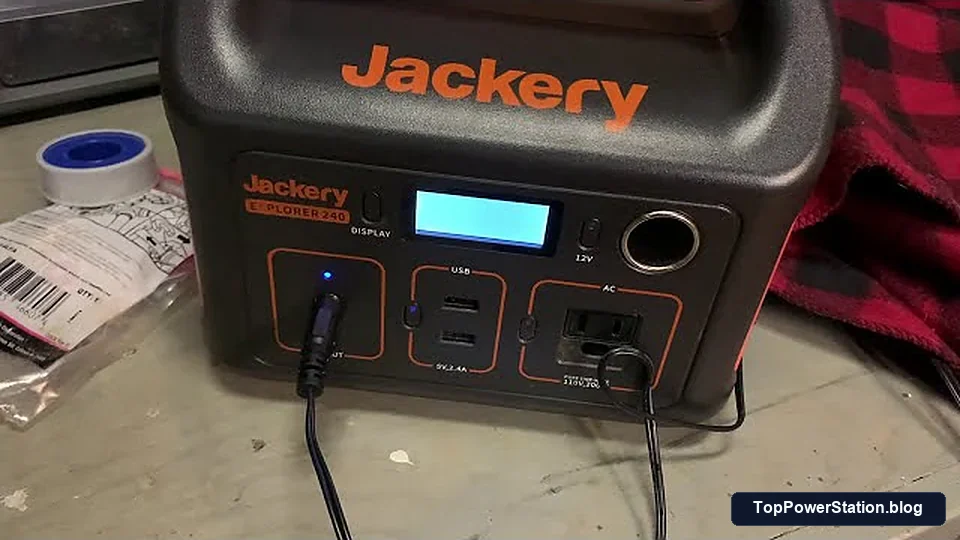
Internal frame layouts dictate how well a unit absorbs kinetic shocks during transport. Materials must resist thermal degradation while housing sensitive inverter circuitry.
Both power stations employ distinct internal engineering architectures. As noted in our goal zero yeti 1500x review, the robust aluminum chassis provides superior structural rigidity compared to standard plastic alternatives.
Circuit board layouts dictate overall durability under field conditions. Engineers utilize conformal coatings on internal components to resist moisture ingress, ensuring reliable operation during unexpected weather events while maintaining strict UL safety certifications.
- Impact-resistant outer shells protect internal lithium battery cells.
- Optimized internal wire routing minimizes resistance and heat buildup.
- Integrated cooling vents maintain safe operational thresholds under load.
Chassis Construction and Material Selection
Both units utilize high-impact polymers designed to withstand accidental drops. However, their handle designs and overall weight distributions differ notably.
Jackery prioritizes a traditional top-mounted fixed handle for balanced lifting. Goal Zero opts for a streamlined profile that optimizes vertical storage space inside vehicles.
- Textured polymer finishes prevent slipping in wet outdoor conditions.
- Reinforced corner guards absorb kinetic energy during accidental impacts.
Battery Chemistry, Capacity and Real-World Output
Power station capacity ratings represent theoretical maximums stored in lithium-ion cells. Actual usable energy depends on inverter efficiency and environmental temperatures.
Understanding continuous wattage limits prevents unexpected shutdowns when running sensitive electronics. Both models use traditional lithium-ion chemistry rather than newer LiFePO4 cells.
Energy storage relies on lithium-ion cells configured in parallel series. As highlighted in our goal zero yeti 700 review, these units deliver dependable watt-hour capacity for your sensitive electronics.
Inverter efficiency directly impacts continuous load delivery. Pure sine wave outputs ensure clean electricity, protecting connected laptops and medical devices from harmonic distortion and voltage spikes during peak operating cycles under load.
- Jackery offers 240 watt-hours of total energy storage capacity.
- Goal Zero delivers a smaller 187 watt-hours total storage capacity.
- Inverter wave types determine compatibility with sensitive medical devices.
Inverter Specifications and Load Limits
The Jackery unit features a 200-watt continuous pure sine wave inverter. This handles small lamps, laptops, and fan units with zero audible electrical hum.
Goal Zero provides a 120-watt continuous inverter with higher surge capacity. Users must verify appliance startup draws before plugging in heavy motorized gear.
- Pure sine wave output protects delicate microprocessor power supplies.
- Overload protection circuits trip automatically to prevent permanent damage.
Input Charging Metrics and Solar Integration
Recharge versatility dictates how long a power station remains offline during extended trips. Solar panel compatibility is a critical metric for off-grid enthusiasts.
Regulated input ports protect internal batteries from voltage spikes during unstable weather conditions.
Recharging versatility determines off-grid viability during extended outdoor excursions. Wall adapters provide rapid refueling, but integrating portable solar panels maximizes autonomy using maximum power point tracking controllers for optimal energy conversion efficiency.
Voltage input thresholds dictate panel compatibility across different brands. Users must monitor open circuit voltage ratings carefully to prevent internal regulator damage when connecting third-party photovoltaic arrays in high-sun exposure environments.
- Wall adapters provide standard AC replenishment within several hours.
- Built-in charge controllers manage fluctuating photovoltaic panel inputs efficiently.
- Car charging ports enable convenient top-offs during vehicular transit.
Solar Panel Compatibility and Speeds
Connecting compatible monocrystalline solar panels allows complete off-grid recharging. Optimal sun angles significantly reduce total replenishment times in remote basecamps.
Advanced MPPT technology inside the Goal Zero maximizes harvested solar energy. Meanwhile, pairing options are detailed in our best solar panel for jackery 240 analysis, helping users achieve efficient off-grid power generation.
- Standard Anderson and DC connectors simplify third-party panel attachment.
- Integrated blocking diodes prevent reverse current drain at night.
Ergonomics, Portability and Physical Footprint
Physical dimensions dictate how easily these generators fit into crowded backpacks. Weight distribution directly impacts user fatigue during long backcountry hikes.
Clear interface layouts ensure safe operation during nighttime emergencies without requiring flashlights.
Physical dimensions dictate packability inside overloaded vehicles. The Jackery features a fold-flat handle design maximizing vertical storage, whereas the Goal Zero utilizes a rigid fixed handle that impacts tight packing configurations in gear bags.
Weight distribution influences single-handed transport over long distances. Ergonomic grip angles reduce wrist fatigue, while rubberized base pads absorb ground shock during transport across rugged terrain and uneven campsite surfaces.
- Compact form factors fit easily beneath vehicle passenger seats.
- Intuitive port groupings prevent cable clutter on small camp tables.
- Backlit LCD screens display exact percentage metrics clearly.
Port Layout and Connectivity Options
Jackery features multiple standard AC outlets alongside traditional USB ports. This layout suits legacy consumer electronics and standard charging bricks.
Goal Zero emphasizes modern USB-C Power Delivery for fast laptop charging. Their front panel also includes regulated 12V outputs for specialized gear.
- Dust covers protect unused ports from environmental debris infiltration.
- Independent power buttons minimize parasitic draw from idle USB controllers.
Thermal Management and Operating Efficiency
Heat remains the primary enemy of lithium-ion battery longevity and performance. Effective thermal dissipation keeps internal temperatures below critical degradation thresholds.
Passive cooling designs eliminate annoying fan noises during quiet nighttime operations.
Passive cooling architectures rely on strategic chassis ventilation slots. Eliminating noisy internal fans reduces mechanical failure points, allowing silent operation while dissipating heat efficiently through extruded aluminum heatsinks during heavy inverter loads.
High ambient temperatures degrade battery lifespan rapidly if thermal thresholds are breached. Internal temperature sensors throttle output automatically when internal components approach critical limits, preserving long-term cell health safely.
- Internal thermal sensors modulate output when operating in hot climates.
- Aluminum heat sinks dissipate transistor warmth away from delicate cells.
- Optimized conversion circuitry minimizes wasted energy during inversion.
Active Cooling Versus Passive Dissipation
High electrical loads trigger internal cooling fans to maintain safe component temperatures. Engineers balance airflow velocity against acoustic noise generation during heavy use.
Both models maintain quiet operational profiles under moderate loads, rarely disturbing sleeping users inside small tents or compact camper vans.
- Variable speed fan algorithms prevent unnecessary acoustic output.
- Proper clearance around chassis vents ensures unobstructed convective airflow.
Long-Term Maintenance and Component Longevity
Proper routine maintenance ensures multi-year reliability from portable power investments. Lithium batteries degrade naturally over time based on usage and storage habits.
Following strict manufacturer guidelines prevents premature capacity loss during off-season storage periods.
Battery cycle life determines long-term utility value. Storing units at a fifty percent state of charge in climate-controlled environments prevents capacity degradation over prolonged periods of seasonal inactivity between camping trips.
Firmware stability and port durability require routine physical inspections. Checking Anderson or DC connectors for debris accumulation ensures low electrical resistance and prevents localized heating during high-amp charging sessions.
- Store units at partial state charge during extended non-use periods.
- Perform quarterly recharge cycles to maintain healthy cell voltages.
- Keep operating environments dry and away from direct sunlight.
Battery Cycle Life Expectations
Standard lithium-ion cells typically retain high capacity through hundreds of cycles. Users can expect years of dependable weekend service with proper care.
Advanced battery management systems actively monitor individual cell health to prevent dangerous imbalances during deep discharge events.
- Cycle counts reflect standard room temperature laboratory test conditions.
- Extreme cold environments temporarily reduce available discharge capacity.
Strategic Buyer Matchmaking and Application Fit
Selecting the correct power station depends entirely on your specific power requirements. Match your device wattage demands against the continuous inverter limits.
Consider whether rapid USB-C charging outweighs traditional AC outlet availability for your daily routine.
Selecting the correct power station depends on specific energy consumption profiles. According to our goal zero yeti 1000x review, weekend campers requiring higher total capacity lean toward versatile AC outputs.
Matching port selections to your specific device ecosystem prevents adapter clutter. Evaluating USB-PD output wattage ensures modern laptops charge at optimal speeds without triggering overload protection circuits unexpectedly.
- Prioritize higher watt-hour capacity for longer weekend camping trips.
- Prioritize advanced USB-C PD protocols for modern mobile workstations.
- Evaluate total weight restrictions when backpacking or traveling light.
Tailoring Your Choice to Specific Workflows
Photographers and field researchers benefit greatly from the versatile Goal Zero. Its high-efficiency charging profile suits modern USB-C dependent camera batteries.
Traditional campers needing reliable AC power for small lights prefer the Jackery. Its straightforward interface and higher continuous output handle basic camp comforts easily.
- Assess total daily watt-hour consumption before making a final purchase.
- Verify connector types for all specialized field equipment beforehand.
Frequently Asked Questions
Can either of these power stations run a standard household refrigerator?
No, both units lack the starting surge and continuous wattage required. You should reserve these portable generators for smaller electronics and lighting.
Are these power stations allowed in airline carry-on luggage?
No, commercial airlines strictly prohibit lithium batteries exceeding one hundred watt-hours in passenger cabins. Both stations exceed this strict regulatory safety limit.
How long do these units hold a charge while sitting in storage?
They typically lose around ten percent capacity per month when powered off. Quarterly recharges are necessary to maintain healthy internal battery voltage.
Can I charge the power station while simultaneously running appliances?
Yes, both models support pass-through charging capabilities for convenience. However, this practice can generate extra heat and accelerate overall cell wear.
Do I need proprietary solar panels to recharge these power stations?
No, standard third-party solar panels work if voltages match specifications. Always check maximum open-circuit voltage limits before connecting any adapter cables.