Jackery 1000 vs 1500: Power Station Showdown
Choosing between these generators requires evaluating your capacity needs against weight limits. Understanding their core engineering helps you select the right backup power solution.


Select the Jackery 1000 for portable weekend camping, while choosing the 1500 for extended off-grid living and heavier appliance loads. Balance your portability demands against high-wattage requirements carefully.
Compare all top models in our Best Portable Power Station: Top Picks for 2026.
Side-by-Side Breakdown
| Criteria | Jackery 1000 | 1500 | Edge |
|---|---|---|---|
| Core Design / Build | Compact rectangular chassis | Larger heavy-duty enclosure | Jackery 1000 |
| Real-World Performance | 1002Wh capacity | 1534Wh capacity | 1500 |
| Ease of Setup & Use | Lighter weight handling | Heavier two-hand lift | Jackery 1000 |
| Durability & Reliability | Proven BMS protections | Advanced thermal controls | Tie |
| Efficiency / Operating Footprint | Standard MPPT tracking | High-wattage solar array support | 1500 |
| Maintenance Requirements | Periodic firmware updates | Regular battery cycling | Tie |
| Best Ideal Use Case | Weekend camping trips | Full-time off-grid RVing | Split |
Capacity Specifications And Output Limits
Evaluating stored energy metrics allows users to match power stations with specific daily electrical loads. As detailed in our Jackery Explorer 1000 V2 review, this unit provides one thousand and two watt-hours of backup capacity.
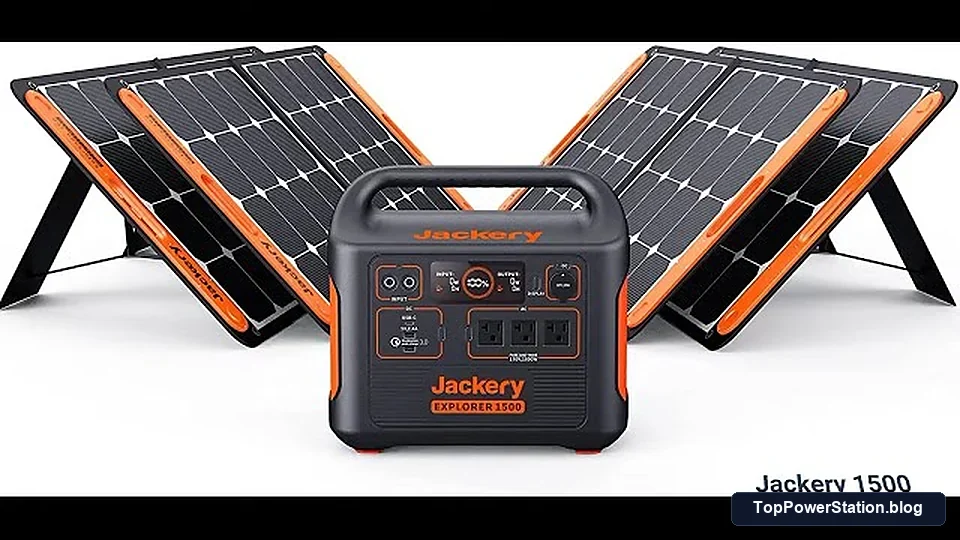
Sustained power output determines which appliances can run simultaneously without triggering overload protections. Both units utilize pure sine wave inverters, ensuring sensitive electronics receive clean alternating current during operation.
- Jackery 1000 delivers 1002Wh capacity with a 1000W continuous rating.
- Jackery 1500 steps up to 1534Wh capacity supporting heavy appliances.
- Continuous AC output varies from 1000W to 1800W across units.
Continuous Versus Surge Ratings
Peak surge thresholds dictate how effectively heavy motorized equipment starts up under load. Electric motors require extra initial current, making high surge limits vital for refrigerators and power tools.
Managing continuous loads prevents thermal throttling during extended operations in warm environments. Users must calculate total running watts before plugging multiple high-draw devices into either power station model.
- Surge capacity handles initial motor startup spikes.
- Continuous ratings define safe daily operating loads.
Physical Dimensions And Ergonomic Portability
Transporting heavy electrical equipment demands thoughtful handle placement and manageable overall weight distributions. The unit highlighted in our best Jackery Explorer 1000 solar generator guide weighs roughly twenty-two pounds.
Scaling up capacity inherently adds mass to the internal lithium battery packs and structural casings. The larger fifteen-hundred model tips the scales near thirty-five pounds, requiring two-handed lifting for most users.
- Jackery 1000 maintains a compact chassis weighing 22.04 pounds.
- Jackery 1500 increases footprint dimensions and weighs 35.2 pounds total.
- Integrated foldable handles improve storage convenience inside vehicles.
Vehicle Packing And Storage Footprint
Maximizing cargo space during overlanding trips requires compact gear configurations that fit securely. Both generators utilize rectangular profiles, allowing them to stack neatly against other camping equipment safely.
Ventilation clearance remains critical when storing running units inside confined spaces like truck beds. Operators must always maintain adequate airflow around cooling fans to prevent dangerous internal heat accumulation.
- Rectangular designs optimize trunk packing efficiency.
- Clearance requirements prevent dangerous overheating risks.
Recharging Speed And Solar Input Metrics
Replenishing depleted battery reserves efficiently depends on available charging ports and maximum solar array wattage. Wall outlets provide the fastest replenishment, while vehicle auxiliary ports deliver slower charge rates.
Harnessing renewable energy requires compatible photovoltaic panels with appropriate voltage and connector specifications. Both systems support solar input, but the larger unit accommodates higher array wattage for faster field charging.
- Wall charging times range from six to eight hours depending on capacity.
- Solar recharging utilizes SolarSaga panels connected via specialized adapters.
- Car charging provides a convenient mobile backup option during transit.
Photovoltaic Integration And Efficiency
Maximizing solar harvest efficiency requires tilting panels directly toward sunlight throughout daylight hours. MPPT charge controllers inside these stations optimize voltage conversion, ensuring maximum power delivery from connected panels.
Weather fluctuations significantly impact solar generation rates during extended off-grid camping excursions. Choosing compatible gear from our best solar panels for Jackery 1000 roundup ensures optimal energy capture speeds.
- MPPT controllers boost daily energy harvest yields.
- Digital displays track real-time solar input wattage.
Chemistry Stability And Battery Longevity
Lithium-ion battery chemistry dictates overall lifespan, cycle counts, and long-term energy retention capabilities. Both power stations rely on proven lithium-ion cells, delivering reliable performance across hundreds of complete discharge cycles.
Proper storage habits prevent premature degradation when units sit unused between outdoor adventures. Keeping state-of-charge levels around fifty percent during long storage periods preserves internal battery health effectively.
- Traditional lithium-ion cells offer five hundred cycles to 80% capacity.
- Battery management systems protect against over-voltage and short circuits.
- Proper thermal management extends overall operational battery lifespan significantly.
Battery Management System Protections
Advanced electronic safety protocols continuously monitor cell temperatures and voltage levels during operation. These internal safeguards prevent catastrophic failures, ensuring safe deployment in remote wilderness environments without supervision.
Automatic shutoff features activate whenever abnormal electrical draws or thermal spikes occur within the chassis. Understanding these protective measures helps operators troubleshoot minor faults safely without professional technician assistance.
- Smart sensors monitor individual cell health constantly.
- Automatic shutoffs prevent catastrophic electrical failures.
Inverter Surge Capacity And Waveform Quality
Clean power output safeguards delicate microprocessors inside modern laptops and medical devices. As noted in our Jackery Explorer 1000 Plus review, pure sine wave inverters replicate standard household electricity safely.
Handling sudden electrical spikes without tripping internal breakers separates professional-grade generators from consumer toys. Both Jackery models maintain robust surge capabilities, though the larger version handles heavier motorized starting loads.
- Pure sine wave output protects sensitive medical equipment reliably.
- Total harmonic distortion remains below three percent under standard loads.
- Surge wattage ratings exceed continuous limits for appliance startup.
Managing High-Draw Household Appliances
Running coffee makers or small microwaves requires substantial continuous wattage from the inverter board. Users must verify appliance specifications match generator output limits to prevent unexpected thermal overload shutdowns.
Simultaneous device charging strains internal circuitry if total power demands exceed rated thresholds. Spreading heavy electrical loads across multiple operating hours ensures stable performance during emergency power outages.
- Kitchen appliances require careful load balancing.
- Overload protections trip safely during excessive draws.
Temperature Tolerance And Environmental Performance
Extreme ambient temperatures drastically affect lithium battery efficiency and overall operational reliability. Operating these power stations in freezing conditions requires special precautions to prevent internal chemical degradation and capacity loss.
Integrated cooling fans activate automatically when internal temperatures rise during heavy power delivery tasks. Ensuring proper ventilation around exhaust ports prevents thermal throttling and maintains optimal performance in summer heat.
- Optimal operating temperatures range from fourteen to one hundred degrees.
- Built-in cooling fans regulate internal component temperatures effectively.
- Environmental sealing protects internal electronics from minor dust exposure.
Cold Weather Camping Considerations
Sub-freezing environments significantly diminish available battery capacity and slow down recharging speeds considerably. Insulating the power station inside a protective bag helps maintain safe operating temperatures during winter camping trips.
Never attempt to charge lithium batteries when internal temperatures drop below freezing thresholds. Doing permanent damage to the chemical structure reduces future capacity and compromises overall battery safety margins.
- Freezing temperatures reduce usable battery capacity.
- Insulation helps maintain safe thermal operating zones.
Practical Application And Real-World Usability
Selecting the ideal power station involves matching your specific lifestyle demands with hardware capabilities. Weekend campers prioritizing lightweight gear will appreciate the smaller model, while full-time RVers need maximum capacity.
Interface design plays a major role in everyday user satisfaction during emergency situations. Clear LCD screens display crucial metrics like remaining battery percentage, input wattage, and active output ports instantly.
- Clear digital displays show real-time power metrics accurately.
- Multiple output port types support diverse electronic device connections.
- Simple button layouts ensure intuitive operation in total darkness.
Emergency Preparedness And Home Backup
Power grid failures demand reliable emergency backup solutions that keep essential communication devices running. Having a charged generator ready in your closet provides immense peace of mind during severe weather events.
Regular maintenance checks ensure your equipment remains ready for action when unexpected blackouts strike. Periodically cycling the battery and updating firmware keeps your power station primed for immediate deployment.
- Backup readiness provides security during blackouts.
- Routine testing ensures reliable emergency performance.
Frequently Asked Questions
Can I run a refrigerator with the Jackery 1000?
Yes, the unit can power standard refrigerators for several hours. However, high-draw compressor models will deplete the stored energy reserve much faster than energy-efficient appliances.
Which model is better for solar panel recharging?
The larger fifteen-hundred model supports higher solar panel input wattages for faster field recharging. Choosing the bigger unit reduces your overall waiting time during extended off-grid stays.
Are these power stations safe for indoor use?
Yes, they produce zero toxic emissions or dangerous fumes during operation. This makes them completely safe to run inside homes, tents, and enclosed vehicles without ventilation concerns.
How long do the internal batteries last?
Both stations utilize durable lithium-ion cells rated for five hundred cycles. Proper maintenance and storage habits will help preserve optimal battery health over many years.
Can I charge devices while the power station recharges?
Yes, both units support pass-through charging capabilities for added convenience. This allows you to replenish the internal battery while simultaneously powering your essential electronic devices safely.