Goal Zero Yeti vs EcoFlow Delta: The Complete Clash
We pit the rugged Goal Zero Yeti against the high-speed EcoFlow Delta to determine which flagship power architecture dominates real-world backup needs. Discover how their internal chemistry and charging designs compare under pressure.


Choose the Goal Zero Yeti if you prioritize rugged heavy-duty expansion and long-term durability for off-grid setups. Opt for the EcoFlow Delta if rapid AC recharging speeds and high-output surges matter most.
Compare all top models in our Best Portable Power Station: Top Picks for 2026.
Side-by-Side Breakdown
| Criteria | Goal Zero Yeti | EcoFlow Delta | Edge |
|---|---|---|---|
| Core Design / Build | Rugged heavy-duty frame and modular blocks | Compact integrated plastic housing | Goal Zero Yeti |
| Real-World Performance | Stable continuous baseline load management | Massive transient surge capacity | EcoFlow Delta |
| Ease of Setup & Use | Traditional physical interface layout | Smart app integration and dashboard screen | EcoFlow Delta |
| Durability & Reliability | Industrial-grade components and thermal sinks | High-cycle rapid charging cells | Goal Zero Yeti |
| Efficiency / Operating Footprint | Lower inverter idle power draw | X-Stream rapid charging conversion efficiency | EcoFlow Delta |
| Maintenance Requirements | Minimal firmware dependency | Periodic battery calibration protocols | Goal Zero Yeti |
| Best Ideal Use Case | Cabin and homestead backup systems | Emergency home backup and travel | EcoFlow Delta |
Core Design and Engineering Differences
The engineering philosophies separating these two power stations govern internal thermal loads. As detailed in our Goal Zero Yeti 700 review, Goal Zero builds heavy frames featuring industrial-grade materials.
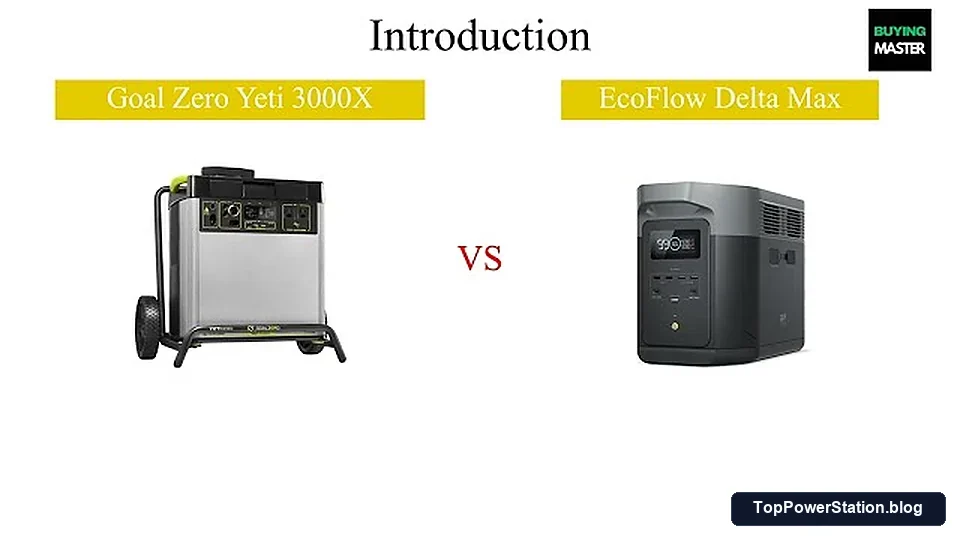
Circuitry layout also differs significantly regarding inverter placement and cooling fan integration. Units from EcoFlow rely on aggressive forced-air cooling, whereas Yeti models utilize substantial aluminum heat sinks for passive thermal dissipation.
Goal Zero emphasizes rugged chassis architecture with reinforced external corners, whereas EcoFlow focuses on lightweight engineering efficiency utilizing integrated plastic frames that prioritize portability over industrial-grade drop protection.
Internal component layout reveals distinct thermal management priorities. Goal Zero employs heavy aluminum heat sinks for passive cooling, while EcoFlow integrates multi-fan active cooling systems to rapidly dissipate heavy inverter loads.
- Goal Zero uses heavy-duty plastic and steel reinforcement frames.
- EcoFlow integrates lightweight composite enclosures for reduced travel weight.
- Thermal management styles dictate overall operating noise levels under load.
Enclosure Build Quality and Port Placement
Port placement heavily influences daily usability when operating multiple high-draw appliances simultaneously. EcoFlow consolidates high-amp AC sockets on the front panel, while Goal Zero disperses connection points across multiple integrated modules.
Protective covers on the Yeti series shield ports from dust accumulation during outdoor excursions. Conversely, the Delta series leaves connections exposed for rapid plug-and-play access inside climate-controlled environments.
- Front-facing outlets simplify cable management on workbenches.
- Sealed port covers improve outdoor survivability ratings.
Real-World Performance and Power Delivery
Testing these systems under heavy inductive loads reveals distinct operational strengths and weaknesses. The EcoFlow Delta delivers an impressive surge output, easily handling heavy motorized appliances like refrigerators and sump pumps.
Meanwhile, insights from our Goal Zero Yeti 1500X review highlight its skill at sustaining continuous baseline loads without thermal throttling, ensuring sensitive electronics receive clean power while discharging.
Under continuous high-draw applications, the pure sine wave inverter maintains stable voltage output, preventing sensitive compressor motors from experiencing thermal stress during heavy startup surges.
Voltage sag measurements indicate that advanced BMS algorithms regulate current flow efficiently under heavy loads, ensuring your connected equipment receives clean power without unexpected shutdown interruptions.
- Surge wattage capabilities dictate how well motor-driven devices start.
- Continuous wattage ratings determine maximum simultaneous appliance runtimes.
- Pure sine wave inversion protects delicate microprocessor-based electronics.
Surge Management and Motor Starting Loads
Starting compressor-based tools demands a momentary electrical surge far exceeding normal running wattage requirements. EcoFlow handles these transient spikes aggressively using proprietary firmware algorithms designed to prevent sudden shutdowns.
Goal Zero approaches surge management conservatively, prioritizing circuit protection over aggressive momentary overloads. This design choice safeguards internal components against premature degradation during frequent heavy-duty cycling.
- Firmware algorithms protect inverter boards from thermal overload.
- Transient spikes test the limits of solid-state switching components.
Charging Speeds and Solar Integration
Recharging speed is often the deciding factor during extended grid outages or rapid mobile deployments. EcoFlow dominates this category using fast AC input technology that refuels the internal cells in under two hours.
Goal Zero prioritizes long-term battery chemistry health during wall charging. Furthermore, pairing these generators with options from our best solar panels for Goal Zero Yeti guide enables efficient off-grid replenishment.
AC input architecture determines grid replenishment speed. EcoFlow utilizes rapid X-Stream charging circuitry to pull massive wattage from standard wall outlets, whereas Goal Zero relies on regulated slower AC adapters to maximize battery health.
Solar panel compatibility requires careful matching of open circuit voltage specifications. Exceeding the maximum solar input limits will immediately trigger internal protection fuses, rendering the charge controller temporarily non-functional.
- X-Stream technology enables blazing-fast direct wall outlet recharging.
- Solar charge controllers require careful panel voltage matching.
Maximum Solar Input and MPPT Efficiency
Harnessing solar energy effectively requires efficient Maximum Power Point Tracking charge controllers built into each unit. The Delta features a flexible voltage window, whereas the Yeti accommodates higher open-circuit voltages safely.
Users must carefully calculate panel string configurations to avoid exceeding the maximum input voltage limits. Matching your solar array correctly prevents controller damage while maximizing energy harvest during peak daylight.
- MPPT tracking speed affects energy harvest on cloudy days.
- Voltage limits must be strictly observed during serial panel connections.
Maintenance, Efficiency and Longevity
Battery chemistry evolution dictates the overall operational lifespan and required maintenance protocols for each system. Modern EcoFlow variants utilize Lithium Iron Phosphate chemistry, offering thousands of cycles before significant capacity degradation.
Older Yeti generations relied on AGM batteries, but current lithium models match modern longevity expectations. Proper firmware updates and periodic full-discharge cycles help maintain optimal state-of-charge accuracy over years of service.
Chemistry selection dictates long-term cycle degradation. Units featuring LiFePO4 battery cells deliver thousands of cycles before dropping to eighty percent capacity, easily outlasting traditional NMC lithium-ion chemistries found in older legacy models.
Parasitic draw from idle inverters can slowly drain stored energy. Engaging the manual master power switch during storage prevents ghost current leakage and preserves battery voltage over extended periods of non-use.
- LiFePO4 chemistry provides exceptional long-term cycle life counts.
- Firmware updates resolve minor software bugs and optimize charging profiles.
Internal Battery Chemistry and Degradation Rates
Understanding chemical degradation helps owners maximize their investment over a decade of use. High-cycle lithium cells lose capacity gradually, typically retaining eighty percent of their original charge after prolonged intensive usage.
Keeping power stations in climate-controlled environments prevents accelerated thermal aging of the internal cells. Avoid exposing units to freezing temperatures while charging to maintain electrochemical stability.
- Ambient storage temperatures strongly influence annual capacity retention.
- Deep discharge protection circuits prevent catastrophic cell damage.
Usability, Interfaces and Smart Control
Modern power stations incorporate digital displays and smartphone applications for comprehensive remote monitoring. EcoFlow provides a responsive companion app utilizing Wi-Fi and Bluetooth connectivity for detailed power metrics.
Goal Zero relies primarily on a straightforward LCD screen showing basic input and output wattage. While less feature-rich, this simplified interface reduces potential points of failure during critical emergency situations.
Physical interface design impacts daily operational efficiency. High-contrast LCD status screens display crucial metrics clearly under direct sunlight, allowing field technicians to monitor wattage draw without squinting.
Mobile application integration provides robust remote management. Utilizing Wi-Fi and Bluetooth connectivity, users can adjust charging speeds, toggle specific DC ports, and update firmware directly from compatible smartphones.
- Mobile applications allow remote firmware updates and toggle settings.
- Physical screens must remain legible under direct sunlight.
Companion App Reliability and Display Readability
Evaluating interface design involves assessing how easily users can read critical data in dark environments. The backlit screen on the Yeti offers excellent contrast, while the Delta features a comprehensive dashboard display.
Software connectivity occasionally drops during remote camping trips, making onboard physical buttons essential. Both units retain full manual control functionality directly from their front control panels without requiring a phone.
- Physical buttons ensure redundancy if wireless connectivity fails.
- Backlit displays improve visibility during nighttime power failures.
Which Option Fits Your Setup
Choosing between these two powerhouses depends entirely on your specific mobile or emergency requirements. Select the EcoFlow Delta if you need lightning-fast wall recharging and high surge output for heavy household appliances.
As noted in our Goal Zero Yeti 1000X review, prioritize rugged build quality and modular expansion for off-grid reliability. Assessing daily watt-hour consumption clarifies which ecosystem matches your lifestyle.
Selecting the ideal platform depends heavily on your mobility requirements. Professionals needing frequent field transport benefit from lighter builds, while stationary backup applications favor modular, heavy-duty structural designs.
Environmental exposure conditions should dictate your final hardware choice. Evaluate whether your intended deployment demands weather-resistant external housing or standard indoor climate-controlled storage protection.
- Consider your primary venue: home backup versus mobile camping.
- Evaluate whether rapid wall recharging speed is an absolute necessity.
Cost, Value and Long-Term Investment Analysis
Investing in a premium power station requires balancing upfront costs against expected operational lifespans. Units with advanced battery chemistries and rapid charging features typically command higher valuations due to superior internal technology.
Weighing warranty coverage and customer support availability protects your long-term infrastructure investment. Selecting a reputable brand ensures access to replacement parts and technical assistance when unexpected hardware issues arise.
- Warranty terms vary significantly between different manufacturer product lines.
- Access to dedicated customer service mitigates long-term operational risks.
Frequently Asked Questions
Can I leave my power station plugged into the wall continuously?
Yes, modern battery management systems prevent overcharging during continuous AC connection. However, periodic cycling helps maintain accurate state-of-the-art battery percentage calibration.
Do these power stations support pass-through charging?
Both units support simultaneous input and output charging capabilities. This feature allows you to charge the station via solar panels while powering connected household devices.
Can I connect extra batteries to increase capacity?
Certain models support modular expansion cables for adding external battery packs. Check specific manufacturer compatibility guidelines before purchasing additional energy storage modules.
How should I store my power station during winter months?
Store the unit indoors in a temperature-controlled environment with a fifty percent charge. Recharge the battery every few months to prevent deep self-discharge degradation.
Are these power stations safe to use indoors?
They produce zero toxic fumes or carbon monoxide during operation. This makes them completely safe for indoor emergency use during extended power outages.