Goal Zero Yeti 500X vs Jackery 500: Technical Verdict
Comparing two legacy mid-capacity power stations reveals stark differences in inverter efficiency, port selection, and ecosystem design. Technical buyers must weigh input versatility against integrated handle layouts.


Choose the Goal Zero Yeti 500X for its regulated 12V outputs and advanced MPPT controller, or pick the Jackery 500 for its lightweight folding handle and straightforward, beginner-friendly layout.
Compare all top models in our Best Portable Power Station: Top Picks for 2026.
Side-by-Side Breakdown
| Criteria | Goal Zero Yeti 500X | Jackery 500 | Edge |
|---|---|---|---|
| Core Design / Build | Rugged industrial chassis with rubberized corners | Compact plastic housing with folding handle | Goal Zero Yeti 500X |
| Real-World Performance | 505Wh capacity with 300W pure sine inverter | 518Wh capacity with 500W modified sine inverter | Jackery 500 |
| Ease of Setup & Use | Modular port bays with digital battery percentage | Simplified front dashboard with clear LCD screen | Jackery 500 |
| Durability & Reliability | High-grade lithium NMC cells rated for 500 cycles | Standard lithium NMC chemistry rated for 500 cycles | Goal Zero Yeti 500X |
| Efficiency / Operating Footprint | Advanced MPPT charging with low idle draw | Standard PWM/MPPT profile with reliable output | Goal Zero Yeti 500X |
| Maintenance Requirements | Firmware update capability via specialized ports | Standard periodic charging intervals every three months | Goal Zero Yeti 500X |
| Best Ideal Use Case | Advanced camping and regulated 12V DC setups | Casual weekend car camping and basic emergency backup | Jackery 500 |
Core Design and Engineering Differences
Evaluating the architectural layout of these portable power stations reveals distinct engineering philosophies. Goal Zero favors an industrial, modular aesthetic featuring durable external bumpers and recessed ports.
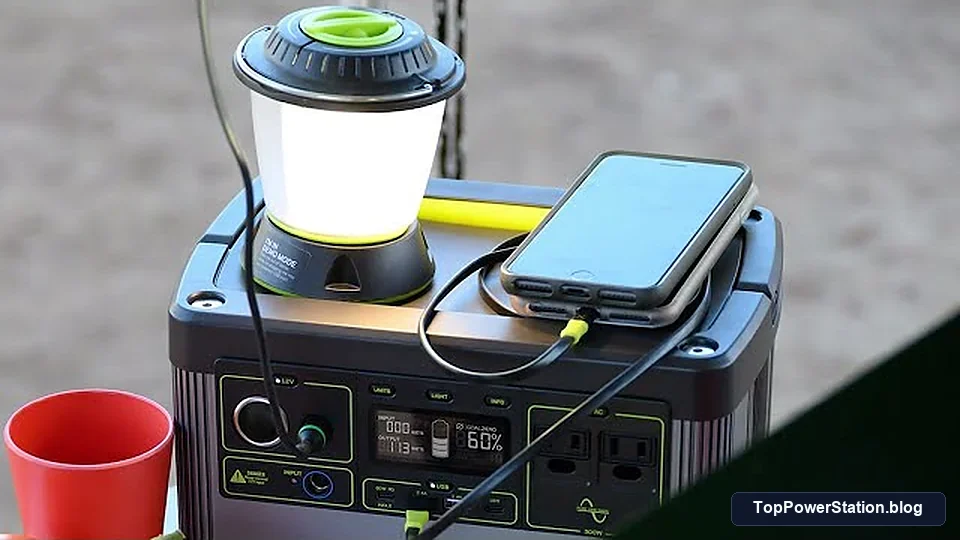
Conversely, Jackery opts for a streamlined, lightweight housing centered around a collapsible carrying handle. This makes storage much simpler inside packed vehicle trunks during weekend excursions.
Both units utilize lithium-ion NMC chemistry to balance energy density and physical footprint. However, their internal component arrangements dictate unique thermal dissipation rates during heavy loads.
- Goal Zero Yeti 500X features a rugged chassis designed for harsh outdoor environments.
- Jackery 500 utilizes a space-saving vertical tower design with an integrated handle.
- Internal thermal management relies on passive cooling fins and variable-speed enclosure fans.
Chassis Materials and Ergonomics
The external shell construction dictates how well each power station survives accidental drops on rocky campsites. According to our Goal Zero Yeti 1500X review, the company reinforces critical impact zones using heavy-duty polymer blends.
Jackery maintains a cleaner exterior profile by integrating the carrying handle directly into the upper shell molding. This reduces overall weight but places structural stress on the plastic housing.
- Rubberized corner bumpers absorb high-impact shock effectively during transport.
- Flush-mounted connection panels prevent snagging inside crowded storage gear bags.
Battery Chemistry and Longevity Profiles
Understanding internal battery degradation metrics is vital for predicting long-term operational reliability. Both generators rely on traditional lithium nickel manganese cobalt oxide cells to store electrical energy.
These chemistry profiles typically deliver roughly 500 charge cycles before retaining eighty percent of their original capacity. Proper ambient temperature management remains crucial for maximizing lifespan.
Advanced battery management systems inside both units monitor cell voltages, temperature spikes, and short circuits. These safety protocols prevent catastrophic failures during high-draw appliance usage.
- Nominal capacity sits at 505 watt-hours for the Goal Zero model.
- The competing Jackery unit provides a slightly higher rating of 518 watt-hours.
- Both systems require routine recharging every three to six months during storage.
BMS Protection and Thermal Safety
Internal battery management systems act as the digital brain safeguarding your chemical energy storage. They continuously balance individual cell groups to prevent overcharging and deep discharge states.
Thermal sensors cut off power delivery immediately if internal temperatures exceed safe operating limits. This protects the sensitive lithium cells from permanent damage during high-load output.
- Active cell balancing extends overall battery pack longevity significantly.
- Automatic thermal cutoff features protect against extreme environmental heat exposure.
Real-World Performance and Inverter Loads
Inverter performance dictates which household electronics and gear chargers you can successfully operate simultaneously. The Goal Zero unit delivers a 300-watt continuous pure sine wave output.
Meanwhile, the Jackery competitor steps up power delivery to 500 watts continuous using a modified sine wave inverter. This higher wattage ceiling allows running small blenders and mini fridges.
As detailed in our Goal Zero Yeti 1000X review, pure sine wave power ensures sensitive medical devices and audio gear run without electrical hum. Modified sine wave power suits resistive heating loads.
- Pure sine wave output prevents electrical interference on sensitive electronics.
- Surge capacity handles transient motor startup loads without immediate tripping.
- Inverter idle draw impacts overall battery reserve during overnight operation.
Sine Wave Quality and Appliance Compatibility
Electrical waveform purity dictates compatibility with sensitive microprocessors found in modern laptops and CPAP machines. Pure sine wave inverters replicate clean household wall outlet electricity safely.
Modified sine wave alternatives may cause audible buzzing or reduced efficiency in motorized equipment. Always verify your appliance power requirements before connecting them to these generators.
- Clean electrical waveforms protect expensive consumer electronics from premature failure.
- Motorized devices generate more heat when powered by modified sine waves.
Charging Input Speeds and Solar Integration
Replenishing stored energy quickly in off-grid scenarios requires efficient internal charge controllers. As noted in our Goal Zero Yeti 700 review, the system features an integrated MPPT solar controller as standard equipment.
This advanced maximum power point tracking technology maximizes solar panel efficiency, especially during variable overcast conditions. Wall charging speeds remain competitive across both power station platforms.
Users can combine wall adapters and solar inputs on select models to slash total recharge times significantly. Proper cable compatibility prevents voltage drop during high-amperage solar generation.
- MPPT charge controllers optimize solar harvest efficiency by up to thirty percent.
- Dedicated Anderson power ports ensure secure, high-current connection reliability.
- Included wall power bricks deliver moderate amperage for overnight recharging cycles.
Solar Panel Matching and Voltage Limits
Connecting third-party solar panels requires careful attention to maximum open-circuit voltage specifications. Exceeding these safety thresholds can permanently damage the internal charge controller instantly.
Goal Zero utilizes proprietary connection ports that often require adapter cables for universal panels. Jackery adopts standard DC barrel connectors compatible with many folding briefcase panels.
- Always check maximum voltage ratings before attaching unregulated solar arrays.
- Proprietary adapters ensure safety but may increase overall accessory costs.
Port Selection and Ergonomic Layouts
Physical interface design dictates how easily you can plug in multiple devices at camp. The Goal Zero layout emphasizes regulated 12V DC ports alongside traditional USB-A and USB-C connections.
Jackery focuses on a heavily populated front dashboard featuring multiple standard AC outlets and USB ports. This arrangement simplifies cable management when charging several phones and tablets together.
Illuminated status screens provide clear visibility of remaining battery percentages and active wattage draws. Rubber port covers protect internal connections from dust and moisture intrusion.
- USB-C Power Delivery ports enable fast charging for modern laptops.
- Regulated 12V outputs maintain stable voltage as the internal battery discharges.
- AC outlet spacing prevents bulky wall adapters from blocking neighboring sockets.
Display Dashboards and Status Monitoring
Accurate battery telemetry helps users manage available energy reserves during extended power outages. Clear digital displays show input wattage, output wattage, and estimated runtime remaining.
Backlit screens ensure readability in dark tents or emergency basement environments without wasting power. Simple button presses toggle individual output zones to prevent parasitic drain.
- Real-time wattage tracking prevents accidental inverter overload conditions.
- Percentage indicators offer much better accuracy than simple LED bar lights.
Maintenance, Efficiency and Longevity
Maximizing the operational lifespan of your investment requires adherence to basic maintenance schedules. Storing lithium power stations at fifty percent charge prevents accelerated chemical degradation over time.
Inverter conversion efficiency losses typically consume ten to fifteen percent of stored battery capacity. Operating units within moderate ambient temperature ranges minimizes internal component stress.
Regular firmware updates, when available, optimize charging algorithms and enhance overall system stability. Keeping cooling vents clear of dust ensures optimal thermal regulation during heavy use.
- Store units in climate-controlled spaces to protect sensitive lithium chemistry.
- Perform quarterly recharge cycles if the power station sits in long-term storage.
- Inspect connection cables regularly for signs of fraying or terminal corrosion.
Storage Best Practices and Self-Discharge
All lithium batteries experience natural self-discharge when left sitting in storage for months. Failing to monitor this discharge can lead to deep voltage drops that trigger protective lockouts.
Maintaining optimal storage voltage ensures your emergency backup remains ready for unexpected grid failures. Simple preventative checks save you from discovering dead batteries during crises.
- Natural self-discharge consumes roughly two to three percent capacity monthly.
- Deep discharge states can permanently brick vulnerable lithium battery packs.
Which Option Fits Your Setup
Selecting the right portable power station depends heavily on your specific off-grid requirements. You can evaluate our Goal Zero Yeti 500 review to see how well regulated DC power performs.
Opt for the Jackery alternative if you need higher continuous AC wattage and straightforward usability. Both units serve as reliable mid-capacity power solutions for recreational and emergency use.
Carefully evaluate your appliance wattage draws and preferred charging methods before finalizing your purchase decision. Matching your actual power profile guarantees satisfactory performance in the field.
- Match continuous inverter ratings to your heaviest required electrical load.
- Consider solar panel compatibility if you plan extended off-grid camping trips.
- Weigh physical dimensions against available storage space in your vehicle.
Final Purchasing Checklist for Buyers
Review your essential device inventory to confirm compatibility with the chosen inverter type. Ensure your preferred charging ecosystem integrates smoothly with the generator port options.
Investing in quality power equipment guarantees reliable performance during unexpected grid emergencies. Prioritize core engineering build quality over superficial feature sets.
- Verify device plug compatibility with available AC and DC sockets.
- Assess total weight limits for comfortable gear transport at camp.
Frequently Asked Questions
Can these power stations run a standard household refrigerator?
Neither unit can power a full-sized household refrigerator for long due to high startup surge requirements. However, both stations can run small portable compressor coolers for several hours.
Are these generators safe to use inside a camping tent?
Yes, lithium power stations produce zero toxic exhaust fumes or carbon monoxide emissions. This makes them completely safe for indoor or tent operation during cold weather.
How long do these batteries last before needing replacement?
Internal lithium cells typically retain eighty percent of their original capacity after five hundred cycles. Proper temperature management and storage practices help extend this lifespan.
Can I charge the power station while running appliances simultaneously?
Both models support passthrough charging, allowing you to replenish the internal battery while powering devices. Excessive load demands may temporarily slow down overall input recharging speeds.
Do I need special solar panels to recharge these units?
You can use third-party solar panels provided their open-circuit voltage matches input limits. Always verify connector polarity and adapter requirements before connecting foreign solar arrays.