Flashfish vs Jackery: Portable Power Station Comparison
Evaluating Flashfish and Jackery reveals distinct trade-offs in power output and build quality. Users must balance cost-efficiency against premium reliability.

Choose Flashfish for budget-friendly entry, but rely on Jackery for proven long-term reliability. Both serve distinct user profiles efficiently.
Compare all top models in our Best Portable Power Station: Top Picks for 2026.
Side-by-Side Breakdown
| Criteria | Flashfish | Jackery | Edge |
|---|---|---|---|
| Core Design / Build | Lightweight plastic shell | Rugged industrial housing | Jackery |
| Real-World Performance | Moderate surge capacity | Consistent steady output | Jackery |
| Ease of Setup & Use | Basic plug-and-play layout | Advanced digital interface | Jackery |
| Durability & Reliability | Standard consumer grade | Heavy-duty construction | Jackery |
| Efficiency / Operating Footprint | Standard conversion rates | High inverter efficiency | Jackery |
| Maintenance Requirements | Basic cycle tracking | Minimal upkeep needed | Tie |
| Best Ideal Use Case | Light weekend camping | Emergency home backup | Jackery |
Core Design & Engineering Differences
Engineering philosophies separate these two popular brands significantly across physical dimensions. Flashfish focuses on ultra-portable, lightweight chassis designs built for casual outdoor enthusiasts. Meanwhile, Jackery emphasizes robust industrial engineering with reinforced corner bumpers.
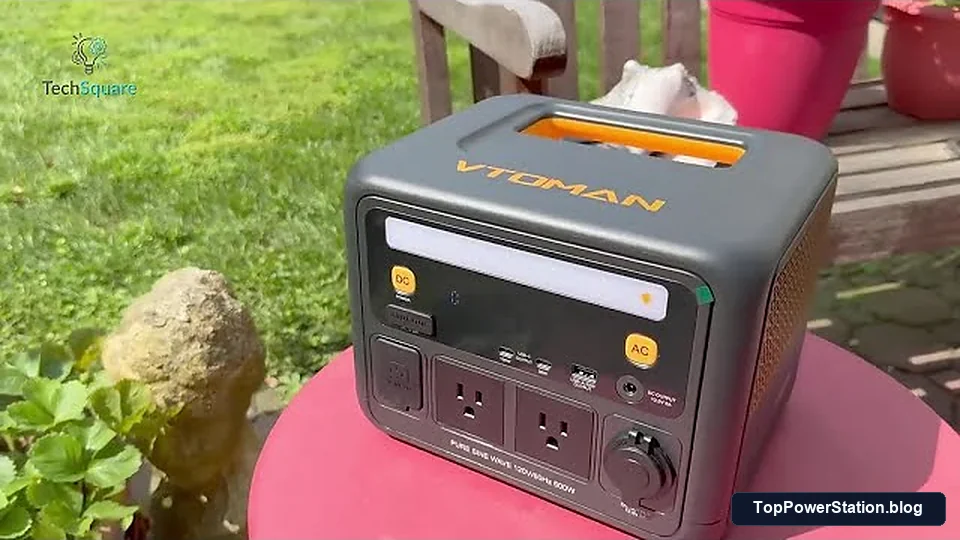
Internal architecture also displays contrasting priorities regarding component selection and cooling. Flashfish units utilize simple passive cooling layouts. Conversely, our Jackery Explorer 2000 V2 review details how robust models incorporate advanced thermal management systems to prevent overheating during heavy loads.
Enclosure materials reflect different cost-to-performance targets established by respective manufacturing teams. Flashfish employs standard ABS plastics to keep overall weights minimal. Jackery integrates fire-retardant composites that enhance structural integrity under harsh field conditions.
- Flashfish prioritizes lightweight portability over ruggedness.
- Jackery features reinforced housings and fire-retardant shells.
- Cooling systems differ between passive and active setups.
Chassis Construction & Materials
External housings endure substantial wear during routine outdoor excursions and emergency deployments. Flashfish designs maintain a compact footprint using molded plastic shells that reduce backpack strain.
Jackery applies thick rubberized corner cladding to absorb heavy impact forces during transport.
- Flashfish utilizes molded ABS plastic composites.
- Jackery incorporates heavy-duty rubber impact guards.
Internal Circuitry & Layout
Circuit board organization dictates how efficiently units handle internal heat dissipation. Flashfish keeps internal wiring straightforward to lower production overhead and consumer retail costs.
Jackery routes wiring through isolated channels to protect sensitive inverter components from dust.
- Flashfish keeps circuit layouts simple and accessible.
- Jackery isolates sensitive inverter boards from debris.
Real-World Performance & Output Stability
Delivering steady wattage under fluctuating electrical loads defines true generator capability. Flashfish handles standard consumer electronics like smartphones and LED lanterns reliably. However, heavy inductive loads can challenge its maximum surge threshold.
Our Jackery Explorer 1000 V2 review highlights how these generators maintain remarkably stable voltage curves near maximum capacities, making them safer for sensitive electronics requiring clean sine wave power.
Inverter efficiency varies notably when converting stored DC energy into usable AC household current. Flashfish exhibits standard conversion losses typical of entry-level power stations. Jackery achieves higher conversion efficiency to maximize usable battery capacity.
- Flashfish handles light electronics and basic camping gear.
- Jackery delivers stable pure sine wave output for laptops.
- Conversion efficiency favors Jackery during heavy draws.
Surge Capacity & Motor Loads
Starting small motorized appliances requires temporary power spikes above nominal ratings. Flashfish units manage modest compressor surges with acceptable stability during camping trips.
Jackery handles larger motor startup draws safely without triggering protective shutdown sequences.
- Flashfish manages minor appliance surge demands.
- Jackery supports heavier motor startup loads.
Voltage Regulation & Waveforms
Clean electrical output prevents premature wear on connected digital appliances. Flashfish provides modified sine wave output on select budget models. Jackery consistently utilizes pure sine wave inverters across lines.
Clean output ensures zero humming noises from audio gear.
- Flashfish relies on modified waves in entry variants.
- Jackery standardizes pure sine wave generation.
Battery Chemistry & Longevity Metrics
Battery cell composition dictates both lifespan expectations and daily performance consistency. Flashfish traditionally utilizes reliable lithium-ion cells suitable for periodic seasonal use. Jackery incorporates advanced cell chemistries designed for extended operational lifespans.
Cycle life ratings reveal how many full discharges a unit sustains before capacity drops significantly. Flashfish models typically offer standard cycle counts fitting weekend adventurers. Jackery models often feature higher cycle thresholds for frequent users.
Self-discharge rates during prolonged storage impact emergency readiness over time. Flashfish stations require periodic top-off charges during off-seasons, whereas our best Jackery for camping guide highlights models retaining charge across extended storage intervals.
- Flashfish uses standard lithium-ion cell packs.
- Jackery integrates long-life battery architectures.
- Storage retention favors Jackery during off-seasons.
Cycle Life & Capacity Retention
Degradation occurs naturally as chemical components age through repeated charging cycles. Flashfish batteries maintain solid capacity through hundreds of standard weekend charge loops.
Jackery cells maintain robust health profiles over thousands of operational hours.
- Flashfish provides standard cycle longevity.
- Jackery emphasizes high-cycle durability metrics.
BMS Protection Protocols
Battery Management Systems protect cells from dangerous electrical anomalies during operation. Flashfish includes standard short-circuit and overcharge safeguards.
Jackery implements comprehensive multi-tier monitoring to prevent thermal runaway.
- Flashfish includes core overcharge protections.
- Jackery features multi-tier thermal monitoring.
Ergonomics, Portability & Interface Design
User interfaces dictate how quickly operators can assess remaining battery percentages in the field. Flashfish employs straightforward LED indicator lights for basic status updates. Jackery utilizes detailed LCD screens displaying exact input wattages.
Carrying handles affect transportation comfort during long walks from vehicles to campsites. Flashfish builds foldable handles that sit flush against the top casing. Jackery features rigid, rubber-padded grips for enhanced carrying comfort.
Port layouts determine how easily multiple cords connect without blocking adjacent charging ports. Flashfish spreads USB and AC outlets evenly across the front panel. Jackery organizes ports logically by voltage type to improve user accessibility.
- Flashfish features compact foldable top handles.
- Jackery uses clear LCD screens for precise telemetry.
- Port organization improves workflow on Jackery stations.
Display Clarity & Telemetry
Accurate telemetry prevents unexpected power outages during critical tasks. Flashfish displays general battery brackets through simple segmented indicator lights.
Jackery provides real-time input and output wattage data instantly.
- Flashfish uses simple segmented status lights.
- Jackery offers comprehensive digital wattage readouts.
Handle Design & Weight Distribution
Carrying heavy electronics requires balanced weight distribution and comfortable grips. Flashfish balances light chassis weights smoothly under single-hand holds.
Jackery distributes heavy internal battery packs evenly beneath sturdy arches.
- Flashfish suits single-hand transport easily.
- Jackery balances heavier frames with wide arches.
Charging Speeds & Input Versatility
Replenishing stored energy quickly ensures readiness during rolling blackouts or extended trips. Flashfish accepts standard wall adapter inputs alongside basic solar panel compatibility. Jackery supports rapid dual charging on higher-tier models for speed.
Solar input limits dictate how fast units recharge off-grid using photovoltaic panels. Flashfish controllers handle moderate solar wattage safely within strict voltage windows. Jackery MPPT charge controllers optimize solar harvesting efficiency brilliantly.
Car charging adapters provide convenient top-offs while driving between remote wilderness destinations. Both brands include standard 12V cigarette lighter cables for mobile recharging. Jackery often integrates faster DC processing speeds.
- Flashfish supports basic wall and solar recharging.
- Jackery utilizes advanced MPPT solar controllers.
- Mobile car charging comes standard with both brands.
Solar Panel Compatibility
Connecting third-party solar arrays requires matching voltage and connector specifications. Flashfish works well with standard universal solar adapter cables.
Jackery pairs seamlessly with proprietary panels using specialized Anderson plugs.
- Flashfish accepts standard universal solar plugs.
- Jackery optimizes pairing with branded solar arrays.
AC Wall Charging Rates
Standard wall outlets provide the fastest primary charging method indoors. Flashfish units charge reliably within standard multi-hour windows.
Jackery fast-charging technology significantly reduces total downtime between uses.
- Flashfish requires standard multi-hour charge times.
- Jackery incorporates accelerated wall charging tech.
Maintenance, Efficiency & Longevity
Keeping portable generators operating efficiently requires minimal but consistent routine maintenance. Flashfish units need occasional exterior cleaning and dry storage management. Jackery stations require similar upkeep while benefiting from robust thermal designs.
Preventing dust accumulation inside cooling vents preserves internal electronic longevity over years of use. Flashfish owners should store units in clean, dust-free indoor environments. Jackery housings resist internal particle intrusion more effectively via sealed port covers.
Firmware updates and diagnostic checks keep modern power stations running at peak efficiency. Flashfish maintains a simple hardware-driven approach, while models featured in our best Jackery power station roundup offer reliable electrical systems requiring zero software maintenance.
- Flashfish demands basic dry indoor storage habits.
- Jackery resists dust intrusion via sealed port covers.
- Neither brand requires complex software maintenance.
Cooling Vent Upkeep
Clear airflow pathways prevent dangerous internal overheating during high-draw situations. Flashfish vents should be cleared of dust using compressed air periodically.
Jackery active cooling fans push air efficiently through protected mesh screens.
- Flashfish requires periodic vent dust removal.
- Jackery protects fans with integrated mesh guards.
Seasonal Storage Protocols
Proper battery storage prevents permanent capacity loss during extended periods of inactivity. Flashfish batteries should be recharged every three months during storage.
Jackery cells hold dormant charges reliably across long winter seasons.
- Flashfish needs quarterly storage charge checks.
- Jackery retains dormant energy exceptionally well.
Which Option Fits Your Setup
Selecting the ideal power station depends entirely on your specific lifestyle demands. Flashfish represents an excellent budget choice for casual campers and occasional emergency users. Jackery serves professionals requiring absolute reliability during critical events.
Budget considerations often dictate initial purchase decisions for recreational equipment shoppers. Flashfish delivers essential wattage output without straining personal finances. Jackery requires higher investments backed by proven performance metrics.
Matching generator specifications to your household appliance requirements prevents overloading failures. Calculate total wattage needs carefully before purchasing either brand. Both manufacturers provide reliable entry points into portable backup power.
- Flashfish suits casual campers and tight budgets.
- Jackery fits demanding emergency backup requirements.
- Calculate wattage needs carefully before final purchase.
Recreational vs Emergency Use
Recreational camping demands light portability over massive battery reserves. Flashfish excels at keeping smartphones and small lanterns charged outdoors.
Emergency home backups require sturdy reliability during sudden utility blackouts.
- Flashfish shines during weekend camping trips.
- Jackery excels during unexpected home grid failures.
Final Buyer Recommendation
Weigh your operational frequency against available financial resources before buying. Flashfish wins for casual users seeking straightforward portable power.
Jackery wins for users needing heavy-duty reliability.
- Flashfish satisfies casual, low-demand users.
- Jackery rewards buyers seeking ultimate durability.
Frequently Asked Questions
Can Flashfish and Jackery power station units run simultaneously while charging?
Both brands support pass-through charging on select models, but you should verify user manuals first. Proper pass-through capability prevents premature battery degradation.
Are third-party solar panels compatible with Flashfish and Jackery generators?
Third-party solar panels work with both brands if voltage parameters match correctly. Always check adapter connector sizes to ensure secure physical connections.
How long do Flashfish and Jackery batteries last before major degradation?
Flashfish batteries offer standard cycle life suitable for seasonal recreational use. Jackery units typically provide extended cell longevity for frequent operators.
Do these power stations require specialized maintenance during winter storage?
Both brands require storage in dry, temperature-controlled indoor environments. Periodic recharging every few months preserves optimal battery health over time.
Which brand offers better value for weekend camping and outdoor recreation?
Flashfish provides superior affordability for casual weekend campers on tight budgets. Jackery delivers premium industrial durability for demanding outdoor enthusiasts.