Bluetti vs Jackery vs EcoFlow vs Goal Zero
Comparing four heavyweights reveals distinct engineering philosophies. Choosing the right generator requires evaluating chemistry, inverter output, and portability.


Pick Bluetti for industrial longevity and modular expansion. Select Jackery, EcoFlow, or Goal Zero for rapid recharging or lightweight camping setups.
Compare all top models in our Best Portable Power Station: Top Picks for 2026.
Side-by-Side Breakdown
| Criteria | Bluetti | Jackery Vs Ecoflow Vs Goal Zero | Edge |
|---|---|---|---|
| Core Design / Build | Heavy-duty modular cases with fire-retardant plastics. | Varied profiles ranging from rugged frames to slick plastic shells. | Bluetti |
| Real-World Performance | High continuous output with massive surge headroom. | Strong performance driven by fast-charging inverters and efficient boards. | EcoFlow |
| Ease of Setup & Use | Straightforward physical buttons and intuitive display panels. | App connectivity paired with streamlined plug-and-play interfaces. | EcoFlow |
| Durability & Reliability | Utilizes LiFePO4 chemistry rated for thousands of deep cycles. | Mixed chemistries depending on the tier, focusing on portability. | Bluetti |
| Efficiency / Operating Footprint | Low idle consumption paired with robust MPPT controllers. | Optimized power conversion with fast solar intake capabilities. | EcoFlow |
| Maintenance Requirements | Minimal upkeep involving occasional filter cleaning and firmware updates. | Routine inspection of cooling vents and battery management systems. | Bluetti |
| Best Ideal Use Case | Off-grid home backup and high-capacity mobile work setups. | Recreational camping, rapid emergency top-offs, and lightweight travel. | Split |
Core Engineering And Architectural Philosophies
Modern power stations rely on distinct internal layouts to handle heavy electrical loads. Bluetti focuses on modular expandability while competitors emphasize streamlined all-in-one chassis designs.
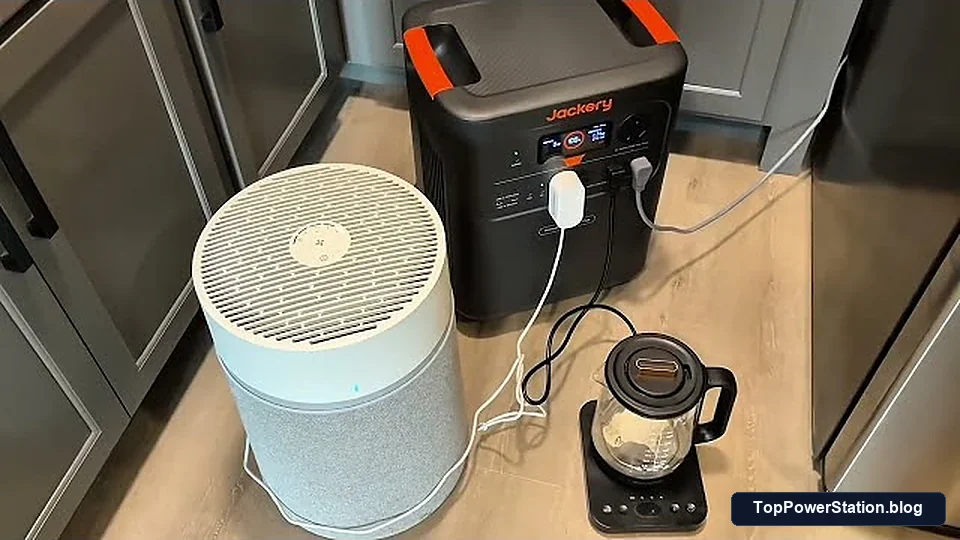
Internal thermal management dictates how long units can sustain peak wattage outputs safely. Engineers utilize varying heat sink geometries and fan placements across all four brands.
Similarly, our Goal Zero Yeti 700 review analyzes alternative models focusing on robust LiFePO4 chemistry and modular expansion, prioritizing long-term off-grid resilience over ultra-compact footprints for casual recreational travelers.
Jackery emphasizes streamlined user experiences utilizing conventional NMC or emerging LiFePO4 cells, targeting casual campers who value straightforward plug-and-play simplicity without navigating complex configuration menus.
- Modular stackability vs integrated single-unit shells
- Diverse aluminum heat sink layouts for passive cooling
- Custom battery management system algorithms for cell balancing
Battery Chemistry and Inverter Topology
Lithium iron phosphate cells dominate modern flagship models due to superior safety profiles. These cells resist thermal runaway much better than traditional nickel manganese cobalt variants.
Pure sine wave inverters ensure sensitive electronics run without interference or electrical hums. Circuit topology directly influences total harmonic distortion percentages during heavy operations.
- LiFePO4 cells offering extended lifespan metrics
- Pure sine wave output keeping THD below three percent
Real-World Performance And Load Handling
Testing stations under sustained inductive loads reveals true operational limits. High-drain appliances like refrigerators and power tools demand robust surge handling from the internal inverter.
Voltage sag under heavy loads separates premium units from budget alternatives. Maintaining stable voltage prevents connected appliances from experiencing unexpected shutdowns or internal damage.
EcoFlow integrates proprietary X-Boost inverter technology to artificially lower voltage thresholds, allowing high-wattage resistive heating appliances to run safely without triggering immediate electronic overload protection.
Our Goal Zero Yeti 1500X review details how engineers build heavy-duty pure sine wave inverters to withstand harsh outdoor industrial environments while maintaining stable harmonic distortion rates under extreme inductive motor loads.
- Sustained output testing under high resistive wattages
- Surge headroom calculations for motor-driven compressor loads
- Voltage stability monitoring during peak amperage draws
Surge Capacity and Continuous Output
Compressors and electric motors require double their running wattage during startup phases. Inverters must deliver momentary surge power without tripping internal safety breakers.
Continuous output ratings dictate how many simultaneous household devices can run safely. Balancing these metrics ensures uninterrupted power during extended neighborhood grid outages.
- Momentary surge peaks reaching double nominal ratings
- Thermal throttling triggers during prolonged high-draw tasks
Charging Speeds And Energy Harvesting
Recharging velocity is critical when preparing for sudden severe weather events. Advanced models incorporate rapid AC charging circuits to restore full capacity in under two hours.
As highlighted in our Goal Zero Yeti 1000X review, solar input limits dictate how effectively units harvest renewable energy, using maximum power point tracking controllers to optimize incoming DC voltage from portable panels.
EcoFlow dominates AC recharging benchmarks by utilizing direct grid connections that bypass bulky adapter bricks, achieving zero to eighty percent capacity in under an hour.
Traditional manufacturers incorporate regulated internal MPPT controllers optimized for high solar voltage inputs, protecting internal circuitry while maximizing photovoltaic panel conversion efficiency across variable weather.
- Rapid AC wall charging via internal high-wattage rectifiers
- Advanced MPPT solar controllers maximizing panel efficiency
- Dual charging capabilities utilizing wall and solar simultaneously
Solar Input Limits and AC Recharging
Exceeding maximum solar voltage ratings can permanently fry internal charge controllers. Users must carefully match open-circuit voltages of connected panels to device thresholds.
AC input speeds vary drastically based on internal transformer designs and cooling. Faster wall charging often introduces higher fan noise during the energy replenishment cycle.
- Strict Voc voltage ceilings preventing controller damage
- High-speed AC circuits generating notable cooling fan noise
Physical Ergonomics And Portability
Carrying heavy chemical batteries requires thoughtful handle placement and weight distribution, much like selecting hardware from our best solar panels for goal zero yeti guide for off-grid power setups.
Casing durability protects internal circuits from accidental drops and rough outdoor terrain. High-impact plastics and rubberized bumpers absorb kinetic energy during transport.
Balanced weight distribution remains crucial when transporting mid-sized generators, with molded handles providing secure grips that reduce hand fatigue during extended manual carries across campsites.
Heavy-duty models frequently integrate folding pull handles and rugged rubberized wheels to alleviate strain, transforming cumbersome multi-kilogram battery units into easily transportable rolling field power sources.
- Ergonomic handle placement for balanced lifting mechanics
- Rubberized corner bumpers absorbing field impact shocks
- Weather-resistant port covers keeping dust and moisture out
Weight Distribution and Casing Durability
Internal component layout directly influences whether a station feels balanced when carried. Heavy transformers should sit centrally to prevent awkward tipping during transport.
Chassis materials must withstand UV exposure and minor moisture splashes in the field. Ruggedized outer shells prevent cracking when loaded into truck beds.
- Centralized transformer placement improving carrying comfort
- Polycarbonate outer shells resisting ultraviolet degradation
Thermal Management And Noise Profiles
High-wattage inversion generates significant heat that requires active cooling fans. Engineers must balance cooling efficiency against irritating acoustic decibel levels indoors.
Smart fan algorithms ramp up RPM values only when internal temperatures demand it. Quiet operation matters immensely when running power stations inside small tents.
Internal variable-speed cooling fans activate dynamically based on thermal sensor arrays, maintaining optimal operating temperatures while keeping ambient acoustic noise minimal under light domestic loads.
Pushing maximum inverter output triggers aggressive chassis ventilation protocols, generating audible fan whines that users must consider when positioning these units inside small sleeping tents.
- Variable speed cooling fans reacting to internal sensors
- Acoustic decibel limits during maximum inversion loads
- Strategic vent placement preventing localized hot spots
Fan Noise Under Load and Heat Dissipation
Audible noise levels can become bothersome during quiet nighttime operation. Units utilizing passive cooling or quiet fan profiles offer superior user comfort.
Effective heat dissipation prevents premature degradation of internal electronic solder joints. Proper airflow clearance around cabinet vents remains mandatory during heavy use.
- Decibel testing during heavy compressor startup phases
- Thermal pad placement conducting heat to exterior frames
Firmware Ecosystems And User Controls
Modern power stations increasingly rely on smartphone applications for remote monitoring. Bluetooth and Wi-Fi connectivity allow users to check battery health from afar.
Physical interfaces must remain intuitive for operators who prefer analog controls. Clear digital screens displaying input and output metrics are essential troubleshooting tools.
Comprehensive companion mobile apps communicate via Bluetooth and Wi-Fi, granting remote access to charging parameters, firmware updates, and detailed real-time power consumption telemetry data.
On-board LCD screens feature clear visual indicators for input wattage, remaining runtime estimations, and error codes, ensuring functional usability even without an active internet connection.
- Smartphone app integration via Bluetooth and Wi-Fi
- Clear LCD screens displaying real-time input metrics
- Physical toggle switches for distinct DC and AC zones
Companion Apps and On-Device Displays
Companion software enables firmware updates and customizable charging speed profiles. Reliable wireless connectivity ensures remote adjustments work without frequent dropouts.
On-device screens should remain legible under direct sunlight conditions outdoors. Backlit monochrome or color displays provide immediate operational status updates.
- Over-the-air firmware updates improving device longevity
- High-contrast screens visible in bright daylight settings
Long-Term Maintenance And Lifecycle Value
Evaluating long-term value requires examining battery degradation curves over time. Premium chemistry cells retain substantial capacity after thousands of complete charge cycles.
Routine maintenance involves keeping cooling vents clear of dust and debris. Storing units at partial charge levels during off-seasons prevents accelerated chemical aging.
Selecting modern battery architectures guarantees thousands of complete discharge cycles before hitting the eighty percent degradation threshold, significantly extending operational lifespans for regular frequent users.
Proper off-season storage requires maintaining partial charge levels in temperate environments, preventing chemical degradation and preserving internal cell balance until the next emergency deployment arises.
- Capacity retention metrics after deep cycling tests
- Dust filter cleaning preventing internal thermal throttling
- Recommended storage voltage guidelines for idle periods
Cycle Degradation and Warranty Support
Manufacturers rate cells by the number of cycles before reaching eighty percent capacity. Higher cycle counts translate to years of reliable everyday off-grid service.
Comprehensive warranty coverage provides peace of mind against unforeseen electronic failures. Responsive customer support teams matter when troubleshooting complex hardware problems.
- Eighty percent capacity retention benchmarks
- Multi-year manufacturer warranty protection terms
Frequently Asked Questions
Which brand offers the fastest AC wall charging speeds?
EcoFlow models typically lead the market in rapid energy replenishment. Their internal circuitry allows for exceptionally fast wall recharging without requiring external power bricks.
Are these power stations safe to run inside a closed tent?
Yes, because they produce zero toxic carbon monoxide emissions during operation. However, you must ensure adequate ventilation clearance around cooling vents to prevent overheating.
What battery chemistry is best for long-term off-grid ownership?
Lithium iron phosphate is universally recommended for extended daily utilization. This specific chemistry delivers thousands of deep cycles before dropping below baseline capacity thresholds.
Can I connect third-party solar panels to these power stations?
Yes, provided the open-circuit voltage and amperage stay within manufacturer limits. Always verify connector compatibility before attempting to plug foreign solar arrays in.
How should I store my power station during long winter months?
Keep the internal battery charged around fifty percent in a temperature-controlled space. Periodic maintenance charges will prevent deep discharge damage over extended idle storage periods.