120V vs 240V Portable Power Station: Technical Comparison
Choosing between standard and high-voltage power stations dictates your device compatibility. Voltage output determines whether you run household appliances or heavy industrial tools safely.

Pick 120V systems for standard camping and emergency backup needs. Choose 240V power stations when driving heavy machinery, high-draw workshop equipment, or whole-home transfer switches.
Compare all top models in our Best Portable Power Station: Top Picks for 2026.
Side-by-Side Breakdown
| Criteria | 120V | 240V Portable Power Station | Edge |
|---|---|---|---|
| Core Design / Build | Single-phase inverter topology | Split-phase or dual inverter architecture | 240V Portable Power Station |
| Real-World Performance | Handles standard household appliances | Powers heavy-duty 240V industrial loads | 240V Portable Power Station |
| Ease of Setup & Use | Plug-and-play standard wall outlets | Requires specialized heavy-duty twist-lock plugs | 120V |
| Durability & Reliability | Lighter internal thermal footprint | Robust cooling for continuous heavy draws | 240V Portable Power Station |
| Efficiency / Operating Footprint | Higher efficiency on low-draw items | Optimized for massive surge capacities | 120V |
| Maintenance Requirements | Minimal firmware and filter checks | Rigorous thermal paste and dual-inverter checks | 120V |
| Best Ideal Use Case | Recreational camping and light backup | Off-grid workshops and heavy job sites | 240V Portable Power Station |
Core Design and Engineering Differences
The fundamental engineering architecture separates standard units from high-voltage setups. Standard models utilize single-phase inverters optimized for everyday residential wall plugs and common electronics.
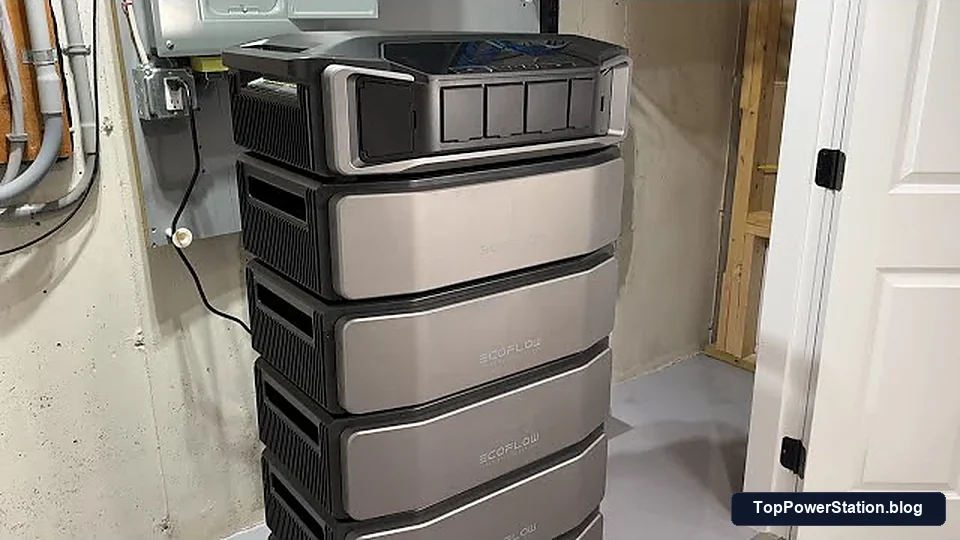
High-voltage units incorporate split-phase inverter topologies or dual-inverter designs. This internal complexity enables them to deliver double the electrical potential safely across heavy-duty circuits.
Thermal management inside these distinct units varies dramatically based on voltage. Higher voltage outputs generate intense internal heat requiring advanced liquid cooling or multi-fan arrays.
- Single-phase versus split-phase inverter topologies
- Dual-inverter synchronization for high-voltage delivery
- Advanced thermal management with heavy-duty cooling fans
- Thicker copper busbars handling increased current loads
Inverter Architecture Mechanics
Inverter design dictates how cleanly electrical current flows to connected sensitive devices. Standard single-phase circuits provide stable sine waves for laptops, refrigerators, and medical equipment.
Split-phase configurations bridge two 120-volt legs to create a single 240-volt output. This engineering marvel requires precise synchronization to prevent phase imbalances during operation.
- Pure sine wave output stability metrics
- Phase synchronization for balanced power delivery
Internal Wiring and Busbar Engineering
Handling higher voltage demands significantly thicker internal wiring and robust busbars. Engineers must insulate components thoroughly to prevent arcing and catastrophic electrical shorts.
Standard units feature lighter gauge wiring suitable for moderate household currents. High-voltage variants use heavy industrial cabling to withstand continuous high-amperage stress.
- Industrial-grade insulation standards for safety
- Heavy-gauge copper cabling for high amperage
Real-World Performance Comparison
Selecting the best portable power station for home backup ensures you get standard models that easily handle refrigerators, lights, and personal electronics during unexpected power outages.
High-voltage portable stations excel at running heavy-duty workshop machinery like table saws and welders. Their ability to deliver sustained high wattage prevents voltage sags under heavy loads.
Surge capacity also differs significantly between these two distinct electrical power classes. High-voltage units absorb massive startup surges from large electric motors without tripping internal breakers.
- Sustained wattage output under maximum continuous load
- Motor startup surge handling without breaker trips
- Voltage drop prevention over long extension cables
- Compatibility with heavy-duty commercial power tools
Appliance Compatibility Limits
Running standard household appliances requires reliable pure sine wave output at standard voltages. Most kitchen gadgets and entertainment centers operate efficiently within these common parameters.
Heavy commercial equipment demands higher voltage inputs to function correctly and avoid burning out. Attempting to run industrial machinery on standard units triggers immediate overload protection.
- Standard kitchen and entertainment device support
- Industrial machinery voltage threshold requirements
Voltage Sag and Line Loss Dynamics
Long extension cords cause noticeable voltage drop when pulling heavy currents through lines. High-voltage setups mitigate line loss effectively because higher voltage translates to lower operating amperage.
Standard setups experience severe voltage sags under heavy loads over extended distances. This inefficiency can cause connected sensitive motorized equipment to overheat prematurely.
- Line loss reduction via higher operating voltage
- Amperage reduction benefits over extended cable runs
Safety Standards and Compliance Protocols
Strict electrical safety certifications remain mandatory when operating equipment in residential settings. Choosing a reliable unit from the best portable power station for camping guide ensures strict UL compliance and user protection.
High-voltage systems introduce heightened risks of severe electrical shock and arc flashes. Consequently, manufacturers integrate redundant physical safety switches and robust ground-fault circuit interrupters.
Grounding requirements become significantly more stringent for high-voltage mobile power generation equipment. Proper earth grounding prevents dangerous chassis potential during rainy job site conditions.
- Strict UL and CE safety certification compliance
- Redundant ground-fault circuit interrupter integration
- Enhanced earth grounding protocols for wet locations
- Arc flash prevention and physical safety switches
Ground-Fault and Circuit Protection
Ground-fault protection safeguards users from accidental electrocution in damp outdoor environments. Advanced sensors cut power instantly if current leakage is detected anywhere internally.
Standard units rely on simpler fuse links and basic thermal breakers. High-voltage systems utilize microprocessor-controlled circuit breakers for lightning-fast fault isolation.
- Microprocessor-controlled fast-acting circuit breakers
- Immediate power cutoff during current leakage events
Chassis Grounding and Arc Mitigation
Proper chassis bonding ensures stray currents flow safely into the earth. This prevents dangerous electrical potentials from building up on the metallic exterior casing.
Arc flash mitigation strategies include sealed relay compartments and non-conductive housings. These engineering measures protect operators from explosive electrical discharge hazards.
- Metallic casing bonding for shock prevention
- Sealed relay compartments for arc flash protection
Maintenance, Efficiency and Longevity
Maintaining mobile power stations extends their operational lifespan through routine firmware and physical checks. Standard units generally require minimal upkeep beyond keeping cooling vents dust-free.
High-voltage stations demand rigorous inspection of heavy-duty terminals and internal inverter connections. The intense electrical stress requires periodic thermal paste replacement on power transistors.
Conversion efficiency varies depending on the inverter architecture and load profile. Standard systems achieve peak efficiency when running near their rated continuous output thresholds.
- Routine cooling vent cleaning and dust removal
- Periodic thermal paste replacement on power transistors
- Heavy-duty terminal inspection for oxidation wear
- Inverter conversion efficiency optimization metrics
Thermal Paste and Component Servicing
Power transistors generate extreme heat that must dissipate efficiently through large aluminum heatsinks. Fresh thermal paste ensures optimal heat transfer over years of heavy daily use.
Neglecting thermal maintenance leads to premature transistor failure under heavy electrical loads. Technicians must inspect cooling fans regularly for bearing wear and dust buildup.
- Aluminum heatsink thermal transfer optimization
- Cooling fan bearing inspection and replacement
Battery Chemistry and Cycle Life
Battery longevity depends heavily on discharge rates and operating temperature control. High-draw applications stress internal lithium cells faster than gentle residential backup use.
Advanced Battery Management Systems actively balance cell voltages to maximize overall cycle life. Proper thermal conditioning prevents premature capacity degradation during extreme weather.
- Cell voltage balancing via advanced management systems
- Thermal conditioning for extreme weather operation
Ergonomics, Portability and Physical Footprint
Physical dimensions and weight dictate how easily you can transport these power stations. Standard models often feature compact designs with folding handles for easy trunk storage.
High-voltage units are substantially heavier due to massive transformers and robust casings. Many include integrated utility wheels and telescopic handles for manageable job site mobility.
Weight distribution directly impacts user safety when lifting heavy power equipment into trucks. Ergonomic dual-person lift points prevent back injuries during field deployment operations.
- Compact form factors with folding carrying handles
- Integrated utility wheels and telescopic pull handles
- Ergonomic dual-person lifting points and frames
- Ruggedized drop-resistant exterior housing materials
Weight and Transportation Challenges
Moving heavy electrical equipment requires thoughtful vehicle loading ramps and secure tie-downs. High-voltage generators often exceed safe single-person lifting weight thresholds easily.
Standard units slide effortlessly into small car trunks or camping gear bins. Their lightweight construction prioritizes grab-and-go convenience for recreational weekend trips.
- Single-person versus dual-person lifting limits
- Vehicle loading ramp and tie-down requirements
Housing Materials and Ruggedness
Job site environments demand rugged exterior housings built from high-impact polymers. These tough shells protect delicate internal electronics from accidental drops and impacts.
Recreational units often feature sleeker, lightweight plastic finishes designed for home use. They provide adequate protection against minor bumps but lack industrial impact ratings.
- High-impact polymer shell construction quality
- Industrial drop resistance and weather sealing
Cost Analysis and Value Proposition
Evaluating long-term value involves analyzing upfront investment versus operational utility needs. Standard units offer affordable entry points for casual campers and basic emergency preparedness.
High-voltage stations represent significant investments tailored for professionals and whole-home backups. Their specialized engineering commands higher acquisition costs due to complex dual-inverter systems.
Return on investment hinges on matching the equipment capabilities to your specific demands. Buying excessive voltage capacity wastes resources, while underbuying leaves critical tools unpowered.
- Upfront acquisition cost versus operational utility
- Professional grade investment for whole-home backups
- Specialized dual-inverter system manufacturing costs
- Matching equipment capabilities to exact workload demands
Upfront Investment vs. Utility
Purchasing a power station requires balancing immediate budget constraints with future utility requirements. Casual users find exceptional value in lightweight standard models for occasional trips.
Contractors and remote off-grid homesteaders require the robust performance of high-voltage systems. The higher initial expense is justified by uninterrupted heavy equipment operation.
- Budget constraint balancing for casual users
- Contractor productivity gains from high-voltage tools
Long-Term Operational Savings
Choosing the best 240v portable power station prevents costly spoiled food and ruined construction deadlines. Investing in durable high-voltage equipment reduces the frequency of replacements and repairs during major grid failures.
Energy conversion efficiency directly influences ongoing charging costs over the unit lifespan. High-efficiency inverters waste less electricity during solar panel recharging cycles.
- Prevention of costly spoiled perishable goods
- Solar recharging efficiency and energy savings
Ideal Buyer Profiles and Setup Recommendations
Reviewing the best portable power station options ensures you select the optimal capacity category. Weekend campers and apartment renters needing emergency backup should always choose standard units.
Off-grid cabin owners, contractors, and workshop operators require heavy-duty high-voltage systems. These powerhouses run large central air units and heavy machinery without breaking a sweat.
Always calculate your cumulative starting wattage requirements before finalizing any purchasing decision. Consulting professional electricians helps integrate large mobile generators into existing subpanels safely.
- Recreational campers and apartment emergency backups
- Off-grid cabin owners and professional contractors
- Cumulative starting wattage calculation guidelines
- Subpanel integration with certified electrician assistance
Residential and Recreational Profiles
Homeowners preparing for occasional grid failures benefit from versatile standard capacity systems. They keep refrigerators running and phones charged during short-term weather outages.
Campers and tailgaters appreciate the portability and quiet operation of lightweight models. These units power lights, fans, and small portable cooking appliances effortlessly.
- Short-term weather outage preparedness utility
- Quiet operation for recreational camping setups
Industrial and Professional Profiles
Job site contractors need reliable heavy-duty power for air compressors and saws. High-voltage portable stations deliver stable job site power without noisy gasoline fumes.
Remote researchers and emergency responders rely on rugged high-capacity power solutions. These robust machines operate sensitive diagnostic tools in harsh field environments.
- Job site power without gasoline generator fumes
- Harsh field environment equipment reliability
Frequently Asked Questions
Can a standard model run my central air conditioner?
Standard units lack the necessary voltage and surge capacity for large residential air conditioning units. You must use a high-voltage system featuring split-phase architecture to power central HVAC systems safely.
Do high-voltage stations require special wall outlets for charging?
Yes, charging high-capacity units quickly often requires specialized 240-volt charging cables or heavy-duty EV charging stations. Plugging them into standard residential outlets will result in significantly slower charging speeds.
Is it safe to run electronics in the rain with these units?
Most power stations feature weather-resistant outlet covers, but direct water exposure should always be avoided. Utilizing units under a protective canopy ensures your connected sensitive electronics remain completely dry and safe.
How do I calculate my total power consumption needs?
Sum up the running wattage of all devices you plan to operate simultaneously during an outage. Always account for the much higher motor startup surge requirements of inductive appliance loads.
What battery chemistry offers the longest lifespan for heavy use?
Lithium Iron Phosphate chemistry delivers exceptional cycle life and superior thermal stability for demanding applications. Choosing LiFePO4 batteries guarantees thousands of charge cycles before significant capacity degradation occurs.